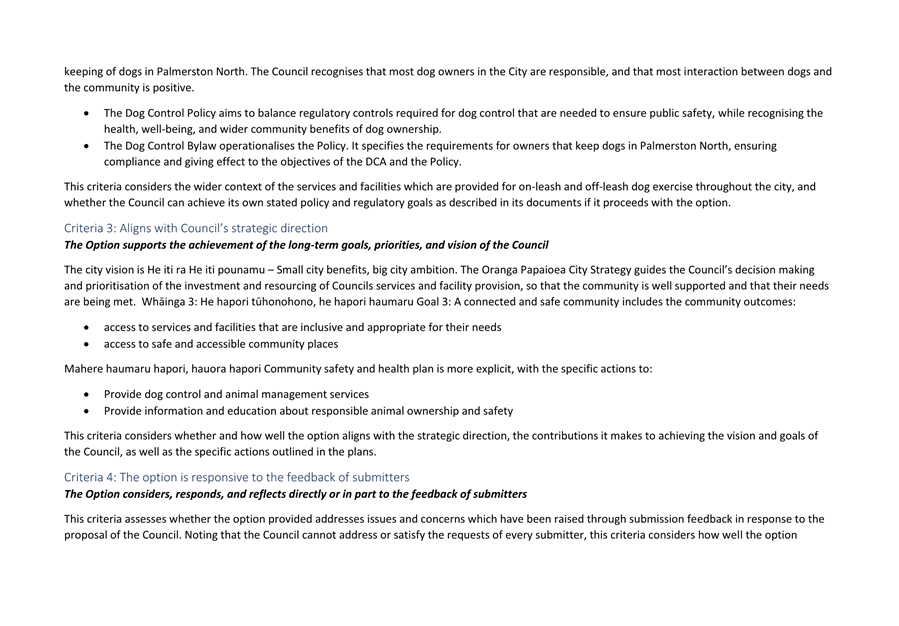
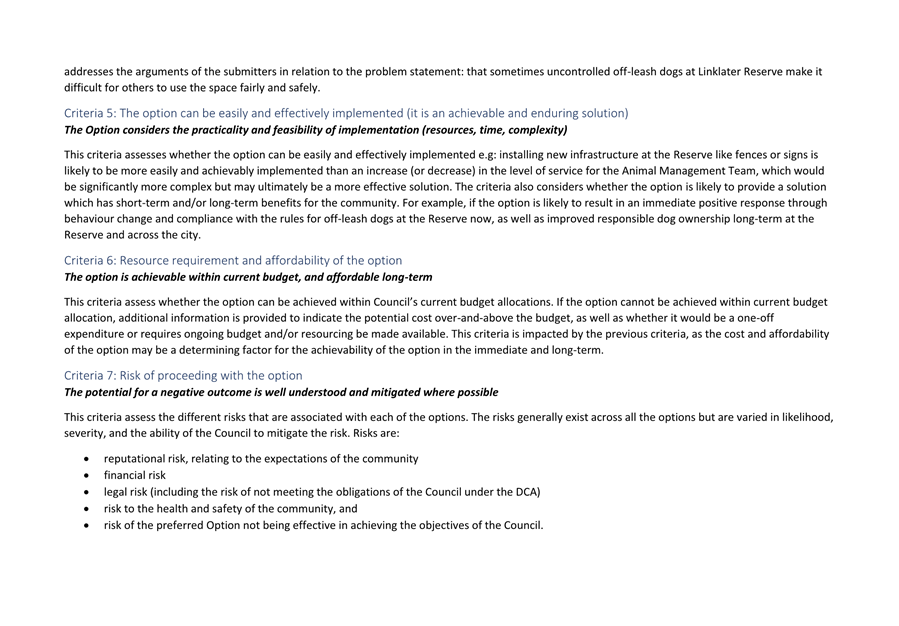
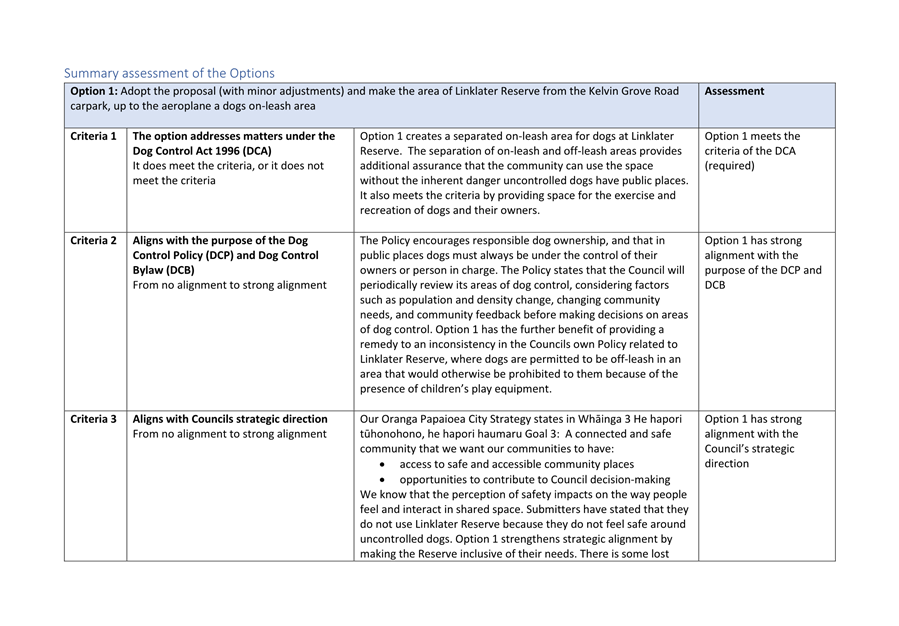
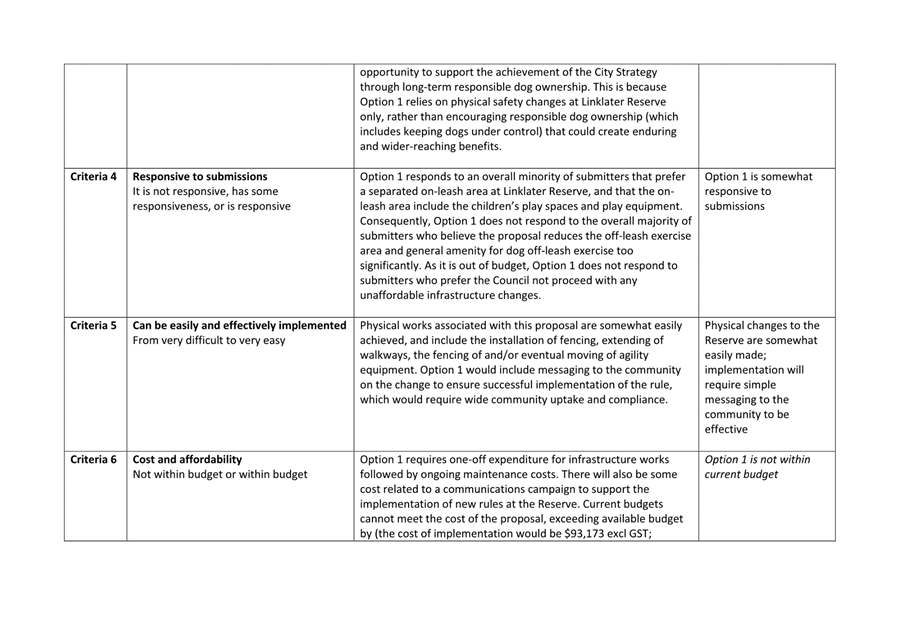
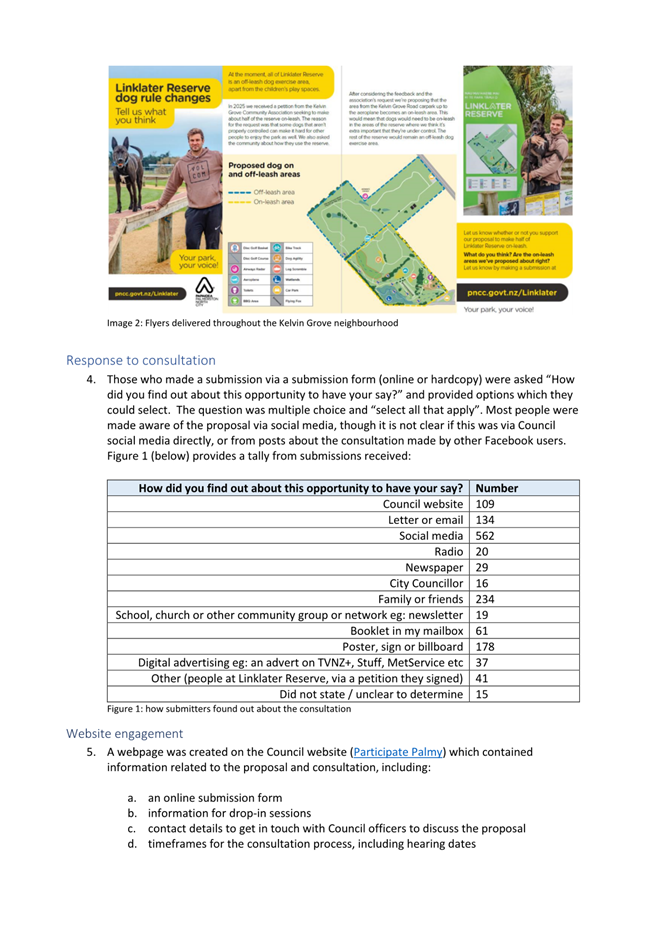
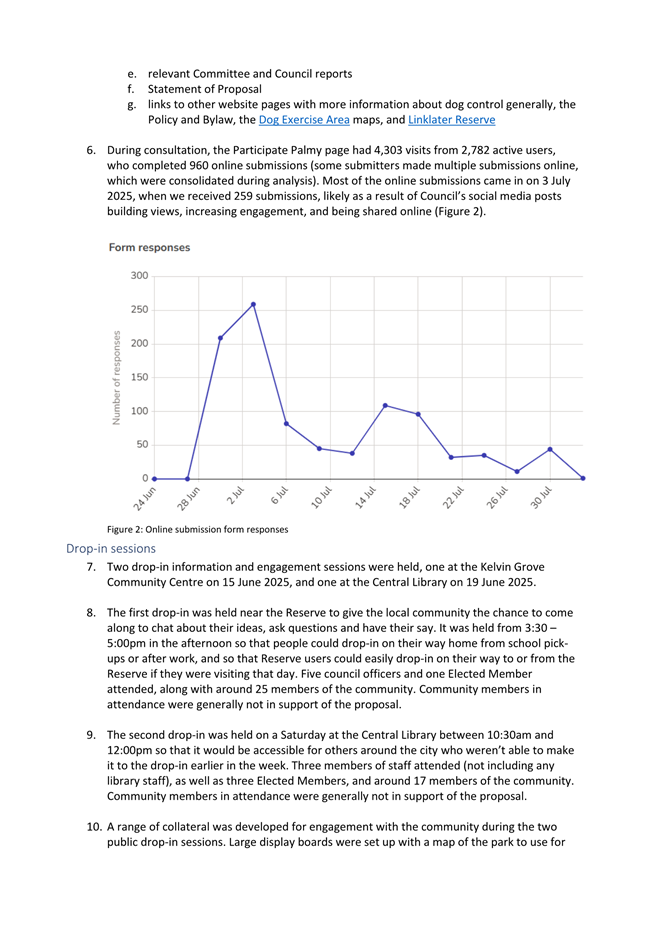
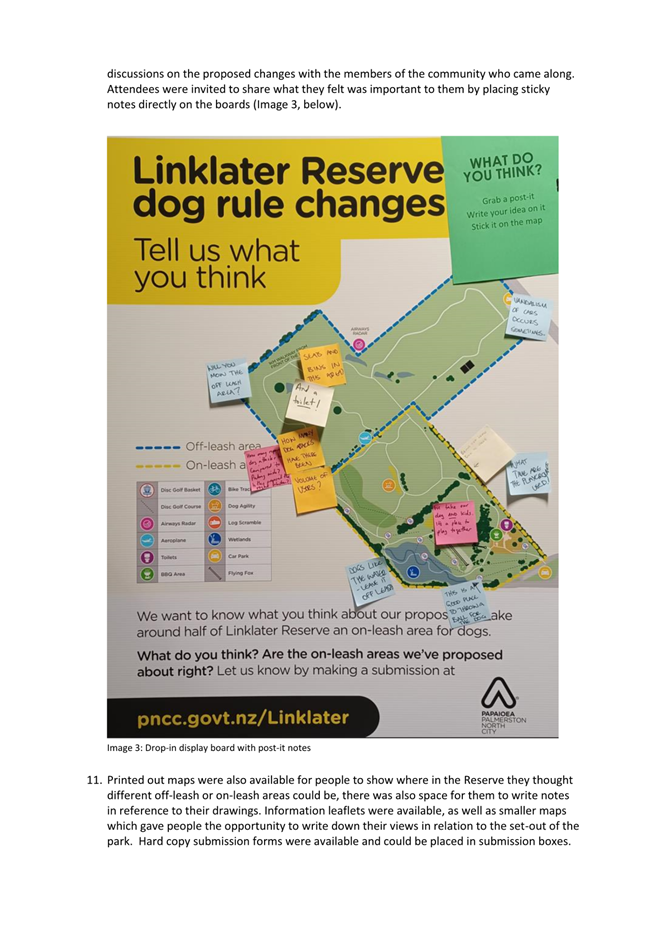
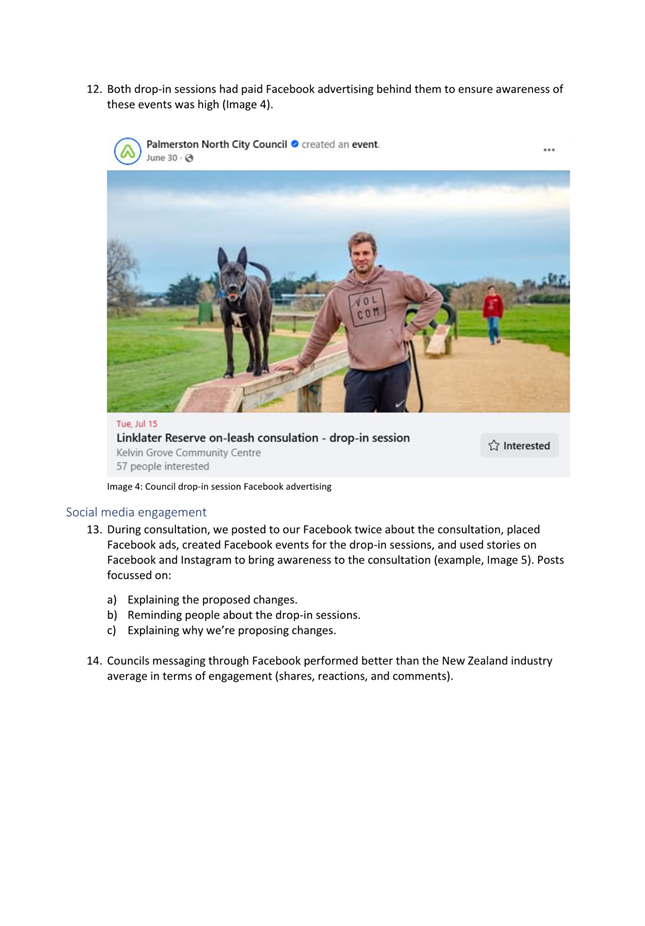
|
Grant
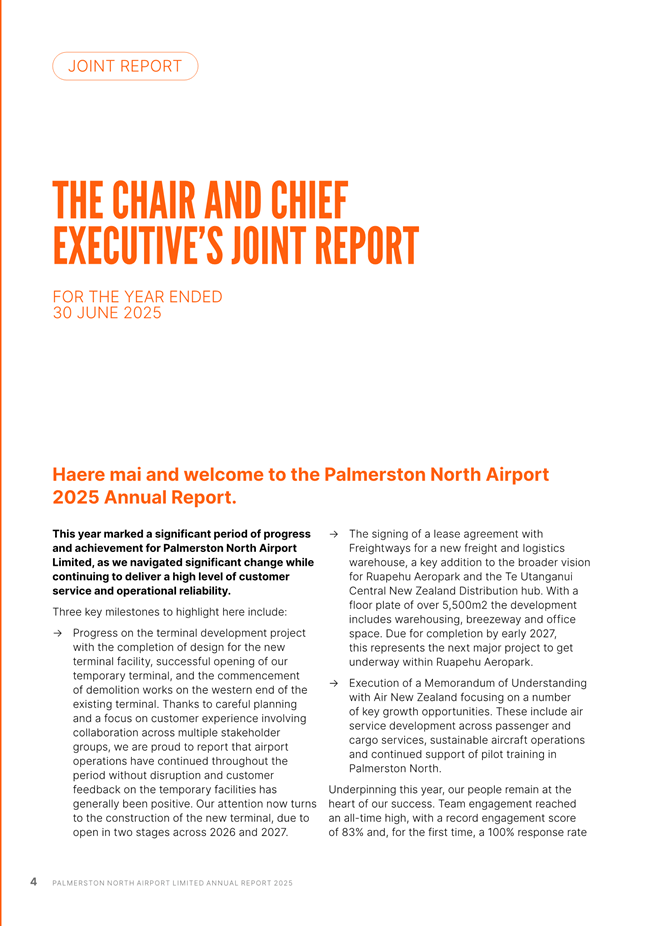
Smith (Mayor)
|
|
Debi
Marshall-Lobb (Deputy Mayor)
|
|
Mark
Arnott
|
Leonie
Hapeta
|
|
Brent
Barrett
|
Lorna
Johnson
|
|
Rachel
Bowen
|
Billy
Meehan
|
|
Vaughan
Dennison
|
Orphée
Mickalad
|
|
Lew
Findlay (QSM)
|
Karen
Naylor
|
|
Roly
Fitzgerald
|
William
Wood
|
|
Patrick
Handcock (ONZM)
|
Kaydee
Zabelin
|
Council MEETING
8 October 2025
Order of Business
1. Karakia
Timatanga
2. Apologies
3. Notification
of Additional Items
Pursuant to
Sections 46A(7) and 46A(7A) of the Local Government Official Information and
Meetings Act 1987, to receive the Chairperson’s explanation that
specified item(s), which do not appear on the Agenda of this meeting and/or the
meeting to be held with the public excluded, will be discussed.
Any
additions in accordance with Section 46A(7) must be approved by resolution with
an explanation as to why they cannot be delayed until a future meeting.
Any
additions in accordance with Section 46A(7A) may be received or referred to a
subsequent meeting for further discussion. No resolution, decision or
recommendation can be made in respect of a minor item.
4. Declarations
of Interest (if any)
Members are
reminded of their duty to give a general notice of any interest of items to be
considered on this agenda and the need to declare these interests.
5. Public
Comment
To receive
comments from members of the public on matters specified on this Agenda or, if
time permits, on other Committee matters.
6. Acknowledgement
of Service - Councillor Pat Handcock
7. Confirmation
of Minutes Page 9
That the minutes of the ordinary Council meeting of 3
September 2025 Part I Public be confirmed as a true and correct record.
Reports
8. Adoption
of the Annual Report 2024/25 Page 21
Memorandum, presented by Scott Mancer,
Manager Finance and Debbie Perera, Audit Director.
9. Palmerston
North Airport Limited - Annual report for 12 months ended 30 June 2025 &
Instructions relating to Annual Meeting Page 25
Memorandum, presented by Steve
Paterson, Manager - Financial Strategy.
10. Palmerston
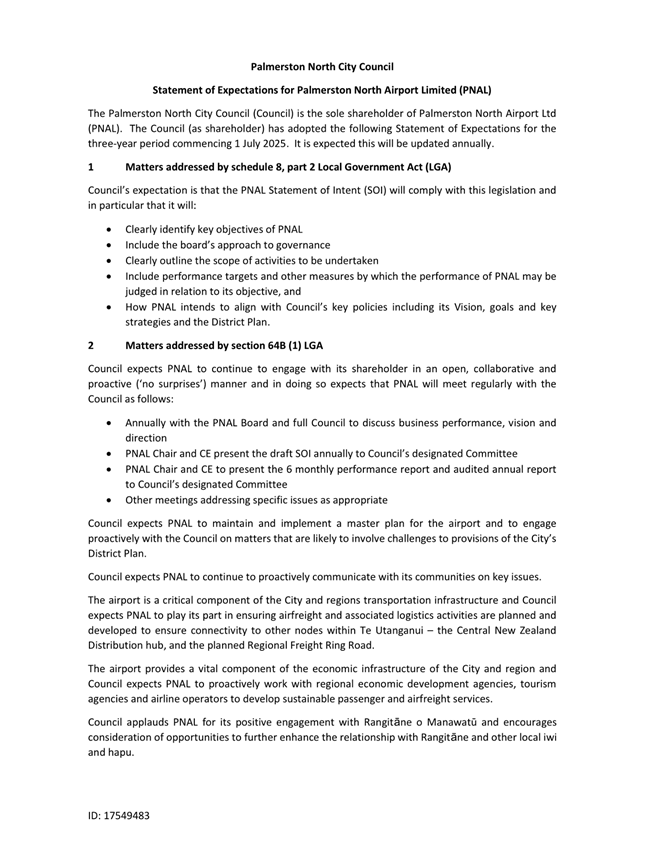
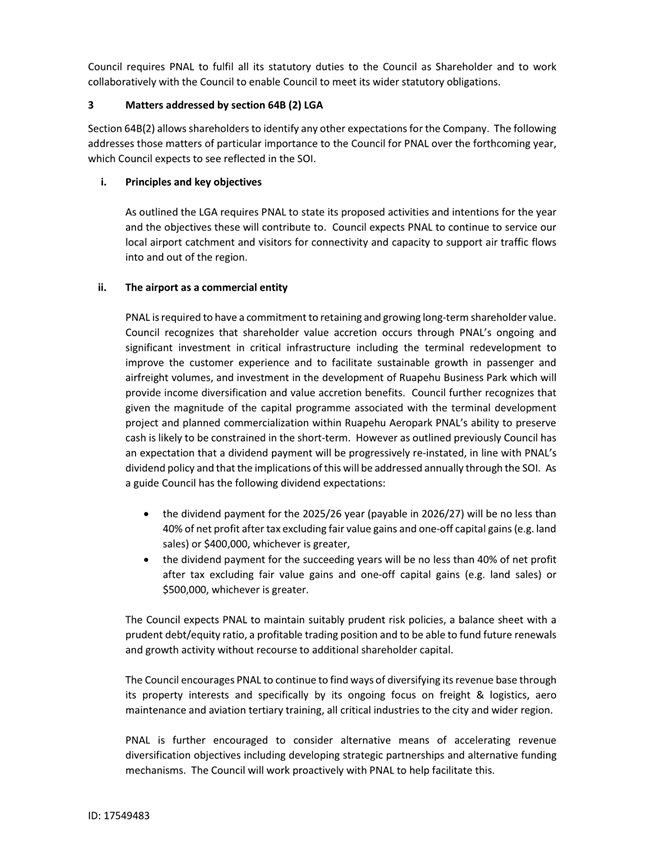
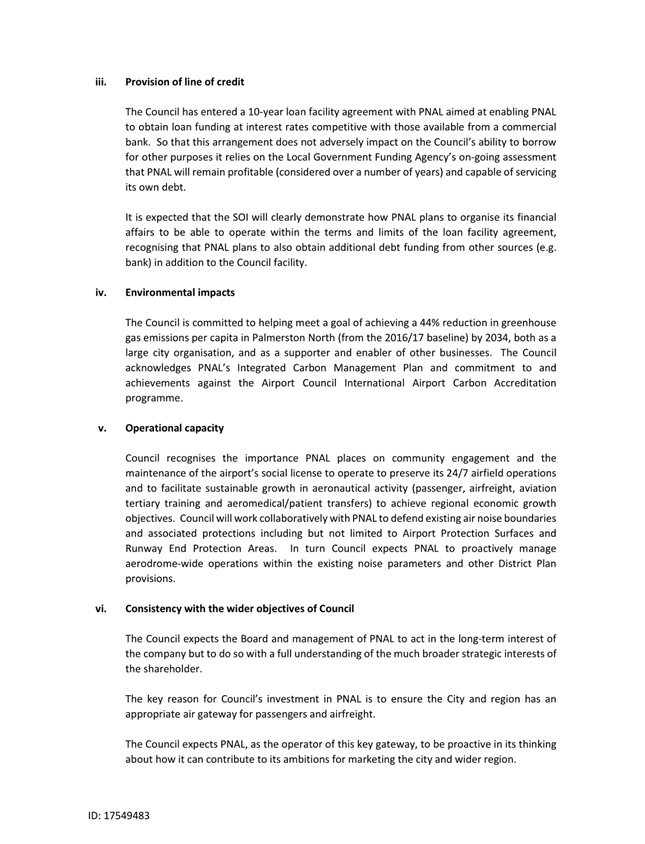
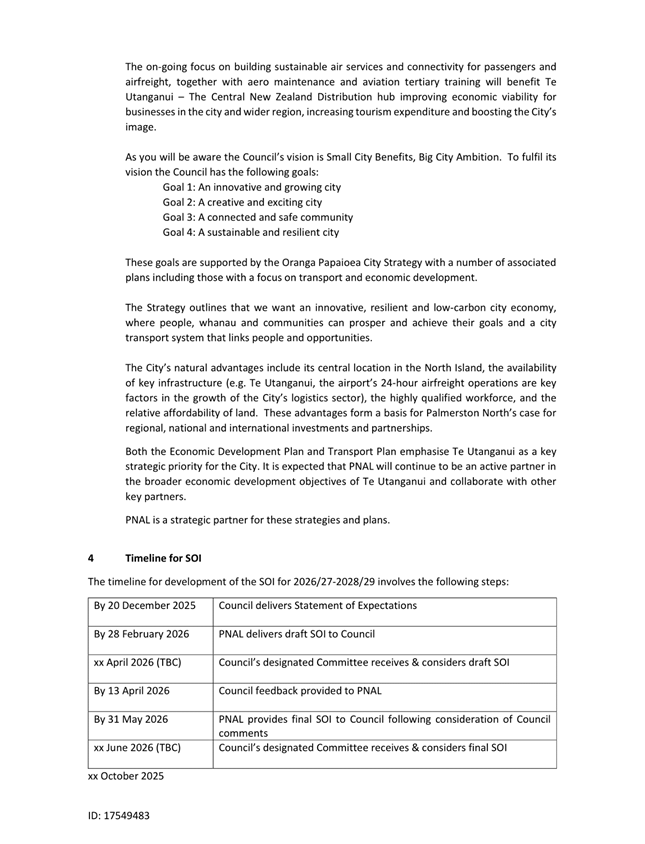
North Airport Ltd - Statement of Expectations 2026/27-2028/29 Page 137
Memorandum, presented by Steve
Paterson, Manager - Financial Strategy.
11. Deliberations
advice - proposed Linklater Reserve on-leash dog control area Page 145
Report, presented by Stacey Solomon,
Policy Analyst.
12. Manawatū
Regional Freight Ring Road - Accelerated Project Timeline Page 243
Memorandum, presented by James Miguel,
Senior Transport Planner.
13. Aokautere
Business Case: Funding Options Page 249
Report, presented by James Miguel,
Senior Transport Planner and Waheed Ahmed, Principal Transport Planner Operations.
14. PNCC
Organisational Emissions Inventory 2024/2025 Annual Report Page 255
Memorandum, presented by Sabrina
Hinchey, Climate Change and Sustainability Analyst.
15. Citywide
Emissions Inventory 2024 Annual Report Page 265
Memorandum, presented by Sabrina
Hinchey, Climate Change and Sustainability Analyst.
16. Low
Carbon Fund Allocations 2024/25 Page 271
Memorandum, presented by David Watson,
Senior Climate Change Advisor.
17. Local
Government (Systems Improvement) Amendment Bill and Online Gambling:
Submissions Approved Under Mayoral Delegation Page 277
Memorandum, presented by Grace Nock,
Manager - Organisational Planning and Performance.
18. Elected
Members' Meeting Attendance Statistics - 1 July 2024 to 30 June 2025 Page 287
Memorandum, presented by Hannah White
- Manager Governance.
19. Continuation
of appointment of Dog Control Act 1996 Hearing Panel Page 291
Memorandum, presented by Desiree
Viggars, Manager Legal, Risk and Assurance/Legal Counsel.
20. Council
Work Schedule Page 293
Recommendations from
Committee Meetings
21. Presentation
of the Part I Public Culture & Sport Committee Recommendations from its 10
September 2025 Meeting Page 297
22. Karakia
Whakamutunga
23. Exclusion of Public
|
|
That the public be excluded from the
following parts of the proceedings of this meeting listed in the table below.
The general subject of each matter to be
considered while the public is excluded, the reason for passing this
resolution in relation to each matter, and the specific grounds under Section
48(1) of the Local Government Official Information and Meetings Act 1987 for
the passing of this resolution are as follows:
|
General
subject of each matter to be considered
|
Reason
for passing this resolution in relation to each matter
|
Ground(s)
under Section 48(1) for passing this resolution
|
|
24.
|
Confirmation of the
minutes of the ordinary Council meeting of 3 September 2025 Part II Confidential
|
For the
reasons set out in the Council meeting of 3 September 2025, held in public.
|
|
25.
|
Part IIB - Chief
Executive Performance Review.
|
Privacy
of the individual in regards to their employee performance outweighs public
interest
|
s7(2)(a)PRIVACY
This information needs
to be kept private to protect personal information that is confidential or
sensitive. This includes people who are no longer alive
|
|
26.
|
Environmental Health
Contract Update
|
Allows
Council to negotiate in good faith and to get good value from contract.
|
s7(2)(b)(ii)THIRD
PARTY COMMERCIAL Disclosing
the information could harm a company's commercial position and s7(2)(h)COMMERCIAL ACTIVITIES: This information needs to be kept
confidential to allow Council to engage in commercial activities without
prejudice or disadvantage
|
|
27.
|
Wyndham Street Upgrade
- Programme Budget and Tender Award
|
Agreeing
the tender confidentially allows Council to get best value for these public
works.
|
s7(2)(b)(ii)THIRD
PARTY COMMERCIAL Disclosing
the information could harm a company's commercial position and s7(2)(i)NEGOTIATIONS: This information needs to be kept
confidential to ensure that Council can negotiate effectively, especially
in business dealings
|
|
28.
|
Trustee Appointment to
Te Manawa Museums Trust Board
|
The
candidate's right to privacy outweighs the public’s interest to
know who has applied to the Te Manawa Trust Board until the appointment has
been confirmed.
|
s7(2)(a)PRIVACY
This information needs
to be kept private to protect personal information that is confidential or
sensitive. This includes people who are no longer alive
|
|
29.
|
Civic Honours Awards
2025
|
Allows
for appropriate preparation of awards ceremony in that affected individuals
can share news with family prior to media announcement.
|
s7(2)(a)PRIVACY
This information needs
to be kept private to protect personal information that is confidential or
sensitive. This includes people who are no longer alive
|
|
30.
|
Proposal to grant
initial licence and easements to Meridian Energy - Turitea Reserve
|
It is
to the greater public interest that Council acts in confidence at this
stage of the negotiations.
|
s7(2)(b)(ii)THIRD
PARTY COMMERCIAL Disclosing
the information could harm a company's commercial position, s7(2)(c)(i)PREJUDICE THE SUPPLY OF
SIMILAR INFORMATION: Releasing
this information could negatively effect similar confidential information
or discourage people from sharing such information, s7(2)(i)NEGOTIATIONS: This information needs to be kept
confidential to ensure that Council can negotiate effectively, especially
in business dealings and
s7(2)(j)PREVENT IMPROPER GAIN OR ADVANTAGE: This information needs to be kept confidential to
prevent its improper use for personal gain or advantage.
|
This resolution is made in reliance on
Section 48(1)(a) of the Local Government Official Information and Meetings
Act 1987 and the particular interest or interests protected by Section 6 or
Section 7 of that Act which would be prejudiced by the holding of the whole
or the relevant part of the proceedings of the meeting in public as stated in
the above table.
Also that the persons listed below be
permitted to remain after the public has been excluded for the reasons
stated.
[Add Third Parties], because
of their knowledge and ability to assist the meeting in speaking to their
report/s [or other matters as specified] and answering questions, noting that
such person/s will be present at the meeting only for the items that relate
to their respective report/s [or matters as specified].
|
Palmerston North City Council
Minutes of
the Council Meeting Part I Public, held in the Council Chamber, First Floor,
Civic Administration Building, 32 The Square, Palmerston North on
03 September 2025, commencing at 9.02am
|
Members
Present:
|
The Mayor (Grant
Smith) (in the Chair) and Councillors Debi Marshall-Lobb, Mark Arnott, Brent
Barrett, Rachel Bowen, Vaughan Dennison, Lew Findlay, Roly Fitzgerald,
Patrick Handcock, Leonie Hapeta, Lorna Johnson, Orphée Mickalad, Karen
Naylor, William Wood and Kaydee Zabelin.
|
|
Members Present Online:
|
Councillor
Billy Meehan.
|
|
Apologies:
|
Councillor
Billy Meehan (early departure).
|
Councillor Orphée
Mickalad was not present when the meeting resumed at 10.46am. He entered
the meeting again at 10.48am after the
consideration of clause 134-25. He was not
present for clause 134-25.
Councillor Billy Meehan was not
present when the meeting resumed at 1.33pm. He was not
present for clauses 141-25 to 150-25.
Councillor Roly
Fitzgerald left the meeting at 2.40pm during consideration of
clause 142-25, and returned to the meeting at
2.43pm after clause 142-25. He left the meeting at 3.24pm at the end of the
public part of the meeting. He was not present for clauses 142-25, and
148-25 to 150-25.
Councillor Mark
Arnott left the meeting at 3.17pm during consideration of
clause 145-25 and returned to the meeting at 3.20pm
after clause 145-25. He was not present for clause 145-25.
Councillor Lew
Findlay left the meeting at 4.44pm. He was not present for
clauses 148-25 to 150-25.
|
|
Karakia Timatanga
Councillor Debi Marshall-Lobb opened the
meeting with karakia.
|
|
131-25
|
Apologies
|
|
|
Moved
Grant Smith, seconded Debi Marshall-Lobb.
RESOLVED
1. That Council
receive the apologies.
|
|
|
Clause 131-25 above was
carried 16 votes to 0, the voting being as follows:
For:
The Mayor (Grant Smith) and
Councillors Debi Marshall-Lobb, Mark Arnott, Brent Barrett, Rachel Bowen,
Vaughan Dennison, Lew Findlay, Roly Fitzgerald, Patrick Handcock, Leonie
Hapeta, Lorna Johnson, Billy Meehan, Orphée Mickalad, Karen Naylor,
William Wood and Kaydee Zabelin.
|
|
|
Declarations of Interest
|
|
|
Councillor
William Wood declared a conflict in Item 26 Purchase Opportunity –
Mobile Stage (clause 150-25) and took no part in discussion or debate.
|
|
|
Tribute: Steve Stannard
|
|
|
The Mayor
made a tribute to Steve Stannard, Civic Award recipient, founding head
of Massey University’s School of Sport and Exercise Science and local
cycling advocate, who passed away on 30 August 2025.
|
|
132-25
|
Public Comment
Amy Walters,
Greg Sawyer, Georgia Wheeler and Connor Taylor, representing Kiwi Canoe Polo,
made public comment in support of Item 9 Notice of Motion: Kiwi Canoe Polo
Next Stage Support.
Rami
Al-Jiab made public comment in support of Item 6 Petition - Call for an
Immediate, Permanent Ceasefire in Gaza and an Ethical Procurement and
Investment Policy.
|
|
|
Moved Grant Smith, seconded Debi Marshall-Lobb.
RESOLVED
1. That
Council receive the public comments.
|
|
|
Clause 132-25 above was
carried 16 votes to 0, the voting being as follows:
For:
The Mayor (Grant Smith) and
Councillors Debi Marshall-Lobb, Mark Arnott, Brent Barrett, Rachel Bowen,
Vaughan Dennison, Lew Findlay, Roly Fitzgerald, Patrick Handcock, Leonie
Hapeta, Lorna Johnson, Billy Meehan, Orphée Mickalad, Karen Naylor,
William Wood and Kaydee Zabelin.
|
|
133-25
|
Petition - Call for an
Immediate, Permanent Ceasefire in Gaza and an Ethical Procurement and
Investment Policy
Presentation, by Katrina
Mitchell-Kouttab, Vivienne Porzsolt, Thyme4Action and Hazim Arafeh,
Former President of the Federation of Islamic
Associations of New Zealand.
The Mayor
moved a motion in support of a ceasefire in Gaza, and offered to donate
$2,000 from the Mayoral Relief Fund to the Red Cross.
Councillor
Bowen moved a motion to review the Council’s procurement and investment
policies to avoid contracts with companies complicit with breaches of
international law. A report with suggested changes and the implications of
any changes to these policies would be brought back to Council.
|
|
|
Moved
Grant Smith, seconded Debi Marshall-Lobb.
RESOLVED
1. That Council
receive the petition for information.
|
|
|
Clause 133-25 above was carried 16
votes to 0, the voting being as follows:
For:
The
Mayor (Grant Smith) and Councillors Debi Marshall-Lobb, Mark Arnott, Brent
Barrett, Rachel Bowen, Vaughan Dennison, Lew Findlay, Roly Fitzgerald,
Patrick Handcock, Leonie Hapeta, Lorna Johnson, Billy Meehan, Orphée
Mickalad, Karen Naylor, William Wood and Kaydee Zabelin.
|
|
|
Moved Grant Smith, seconded Debi Marshall-Lobb.
RESOLVED
2. That
Council will support an immediate and permanent ceasefire in Gaza, with the
Mayor urgently writing to the Prime Minister and Foreign Affairs Minister advocating
for such. The Mayoral Relief Fund will also donate $2,000 to Red Cross
International towards urgent humanitarian efforts in Gaza.
|
|
|
Clause 133-25 above was carried 16
votes to 0, the voting being as follows:
For:
The
Mayor (Grant Smith) and Councillors Debi Marshall-Lobb, Mark Arnott, Brent
Barrett, Rachel Bowen, Vaughan Dennison, Lew Findlay, Roly Fitzgerald,
Patrick Handcock, Leonie Hapeta, Lorna Johnson, Billy Meehan, Orphée
Mickalad, Karen Naylor, William Wood and Kaydee Zabelin.
|
|
|
Moved Rachel Bowen, seconded Kaydee Zabelin.
RESOLVED
3. That
Council amend our procurement and investment policies to avoid contracts with
companies complicit in grave breaches of international law, including those
profiting from illegal Israeli settlements and occupation — consistent
with UN Security Council Resolution 2334, the Fourth Geneva Convention, and
recent UN Special Rapporteur findings; noting that if necessary Council may
develop a practical transition plan for policy implementation.
|
|
|
Clause
133-25 above was carried 13 votes to 2, with 1 abstention, the voting being
as follows:
For:
The
Mayor (Grant Smith) and Councillors Debi Marshall-Lobb, Mark Arnott, Brent
Barrett, Rachel Bowen, Vaughan Dennison, Lew Findlay, Roly Fitzgerald,
Patrick Handcock, Leonie Hapeta, Lorna Johnson, Karen Naylor and Kaydee
Zabelin.
Against:
Councillors Orphée Mickalad
and William Wood.
Abstained:
Councillor Billy Meehan.
|
The
meeting adjourned at 10.22am.
The
meeting resumed at 10.46am.
Councillor
Orphée Mickalad was not present
when the meeting resumed.
|
134-25
|
Confirmation of Minutes
|
|
|
Moved Grant Smith, seconded Leonie Hapeta.
RESOLVED
That the minutes of the
ordinary Council meeting of 6 August 2025 Part I Public and Part II
Confidential be confirmed as a true and correct record.
|
|
|
Clause 134-25 above was
carried 14 votes to 0, with 1 abstention, the voting being as follows:
For:
The Mayor (Grant Smith) and
Councillors Debi Marshall-Lobb, Mark Arnott, Brent Barrett, Rachel Bowen,
Vaughan Dennison, Lew Findlay, Roly Fitzgerald, Leonie Hapeta, Lorna Johnson,
Billy Meehan, Karen Naylor, William Wood and Kaydee Zabelin.
Abstained:
Councillor Patrick
Handcock.
|
Councillor
Orphée Mickalad entered the
meeting again at 10.48am.
|
135-25
|
Confirmation of Minutes
|
|
|
Moved
Grant Smith, seconded Leonie Hapeta.
RESOLVED
That the minutes of the extraordinary Council meeting of
13 August 2025 Part I Public and Part II Confidential be confirmed as a true
and correct record.
|
|
|
Clause 135-25 above was
carried 15 votes to 0, with 1 abstention, the voting being as follows:
For:
The Mayor (Grant Smith) and
Councillors Mark Arnott, Brent Barrett, Rachel Bowen, Vaughan Dennison, Lew
Findlay, Roly Fitzgerald, Patrick Handcock, Leonie Hapeta, Lorna Johnson,
Billy Meehan, Orphée Mickalad, Karen Naylor, William Wood and Kaydee Zabelin.
Abstained:
Councillor Debi
Marshall-Lobb.
|
|
136-25
|
Officer Response
to Notice of Motion - Next stage support to Manawatū Kiwi Canoe Polo
Club to carry out a Feasibility Study/Business Case and Notice of
Motion: Kiwi Canoe Polo Next Stage Support
Memorandum,
presented by Ann-Marie Mori, Policy Analyst.
Notice of Motion, presented by Councillor Leonie Hapeta.
An
amendment was passed referring the request to the Annual Budget 2026/27 to
ensure all community funding requests are considered together.
|
|
|
Moved
Grant Smith, seconded Debi Marshall-Lobb.
RESOLVED
1. That Council
receive the memo titled ‘Response to Notice of Motion - Next stage
support to Manawatū Kiwi Canoe Polo Club to carry out a Feasibility
Study/Business Case’.
|
|
|
Clause 136-25 above was
carried 16 votes to 0, the voting being as follows:
For:
The Mayor (Grant Smith) and
Councillors Debi Marshall-Lobb, Mark Arnott, Brent Barrett, Rachel Bowen,
Vaughan Dennison, Lew Findlay, Roly Fitzgerald, Patrick Handcock, Leonie
Hapeta, Lorna Johnson, Billy Meehan, Orphée Mickalad, Karen Naylor,
William Wood and Kaydee Zabelin.
|
|
|
Moved
Leonie Hapeta, seconded William Wood.
RESOLVED
2. That Council refer to the Annual Budget 2026/27 consideration of a
grant of $10,000 to Kiwi Canoe Polo for the purpose of developing a combined
feasibility study and business case for a new Canoe Polo facility, to inform
the 2027-2037 Long-Term Plan.
|
|
|
Clause Error! Reference source not found. above
was carried 16 votes to 0, the voting being as follows:
For:
The Mayor (Grant Smith) and
Councillors Debi Marshall-Lobb, Mark Arnott, Brent Barrett, Rachel Bowen,
Vaughan Dennison, Lew Findlay, Roly Fitzgerald, Patrick Handcock, Leonie Hapeta,
Lorna Johnson, Billy Meehan, Orphée Mickalad, Karen Naylor, William
Wood and Kaydee Zabelin.
|
|
|
Moved Rachel Bowen, seconded Patrick Handcock.
Note:
On an amendment: ‘That Council, refer to
the Annual Budget 2026/27 consideration of a grant of $10,000 to Kiwi Canoe Polo for the purpose of
developing a combined feasibility study and business case for a new Canoe
Polo facility, to inform the 2027-2037 Long-Term Plan’, the motion was carried
9 votes to 7, the voting being as follows:
For:
Councillors Debi
Marshall-Lobb, Brent Barrett, Rachel Bowen, Roly Fitzgerald, Patrick
Handcock, Lorna Johnson, Orphée Mickalad, Karen Naylor and Kaydee
Zabelin.
Against:
The
Mayor (Grant Smith) and Councillors Mark Arnott, Vaughan Dennison, Lew
Findlay, Leonie Hapeta, Billy Meehan and William Wood.
|
Reports
|
137-25
|
Fitzherbert Park - Proposal
to Grant an Easement on Reserve Land to Powerco
Report, presented by Perene
Green, Property Officer.
|
|
|
Moved
Grant Smith, seconded Debi Marshall-Lobb.
RESOLVED
1. That Council
approve notifying the public of the proposal to grant an easement at
Fitzherbert Park, 272 Fitzherbert Avenue Palmerston North, to Powerco to
convey electricity, using the process set out in Section 48 of the Reserves
Act 1977.
2. That Council
note that the land area affected by the easement for Powerco is described as
Lot 2 DP 77988.
|
|
|
Clause 137-25 above was
carried 16 votes to 0, the voting being as follows:
For:
The Mayor (Grant Smith) and
Councillors Debi Marshall-Lobb, Mark Arnott, Brent Barrett, Rachel Bowen,
Vaughan Dennison, Lew Findlay, Roly Fitzgerald, Patrick Handcock, Leonie
Hapeta, Lorna Johnson, Billy Meehan, Orphée Mickalad, Karen Naylor,
William Wood and Kaydee Zabelin.
|
|
138-25
|
2025/26 Remuneration Budget
Update
Memorandum, presented by
Scott Mancer, Manager Finance and Cameron McKay, General Manager Corporate
Services.
|
|
|
Moved
Grant Smith, seconded Debi Marshall-Lobb.
RESOLVED
1. That Council
increase the remuneration budget for 2025/26 by $100,000 to allow for
increasing KiwiSaver contribution rates from 1 April 2026.
2. That Council
increase the following budgets to fund the Executive Director role for the
implementation of the Water Services Council-Controlled Organisation, noting
that this is cost neutral:
a. Remuneration
Expenditure budget increase of $250,000
b. Government
Operating Grant revenue budget increase of $250,000.
3. That
Council note the remuneration budget for 2025/26 may need to increase if the
work on the Water Services Council-Controlled Organisation impacts existing
workloads.
|
|
|
Clause 138-25 above was
carried 16 votes to 0, the voting being as follows:
For:
The Mayor (Grant Smith) and
Councillors Debi Marshall-Lobb, Mark Arnott, Brent Barrett, Rachel Bowen,
Vaughan Dennison, Lew Findlay, Roly Fitzgerald, Patrick Handcock, Leonie
Hapeta, Lorna Johnson, Billy Meehan, Orphée Mickalad, Karen Naylor,
William Wood and Kaydee Zabelin.
|
|
139-25
|
Clearview Reserve - Request
to reinstate 2025/26 capital budget
Memorandum, presented by
Kathy Dever-Tod - Manager Parks and Reserves.
|
|
|
Moved
Grant Smith, seconded Debi Marshall-Lobb.
RESOLVED
1. That Council
revoke clause 80.13-25
b. Deferring Programme
1853 - Development of existing reserves ($85K) to the 2026/2027 Annual
Budget;
2. That Council
agree to bring forward Programme 1853 - Development of existing reserves
($85K) from the 2026/27 to the 2025/2026 financial year, in order to develop
Clearview Reserve in 2025/26 in line with commitments made at the time of the
related subdivision consents.
|
|
|
Clause 139-25 above was
carried 16 votes to 0, the voting being as follows:
For:
The Mayor (Grant Smith) and
Councillors Debi Marshall-Lobb, Mark Arnott, Brent Barrett, Rachel Bowen,
Vaughan Dennison, Lew Findlay, Roly Fitzgerald, Patrick Handcock, Leonie
Hapeta, Lorna Johnson, Billy Meehan, Orphée Mickalad, Karen Naylor,
William Wood and Kaydee Zabelin.
|
The
meeting adjourned at 12.26pm.
The
meeting resumed at 1.33pm.
Councillor Billy Meehan was
not present when the meeting resumed at 1.33pm.
|
140-25
|
Review of the Central
Economic Development Agency (CEDA) Appointment of Directors Policy.
Memorandum, presented by
Sarah Claridge, Governance Advisor.
|
|
|
Moved
Grant Smith, seconded Vaughan Dennison.
RESOLVED
1. That Council
adopt the Central Economic Development Agency (CEDA) Appointment of Directors
Policy 2025 (Attachment 1), as recommended by the Electoral College.
|
|
|
Clause 140-25 above was
carried 11 votes to 4, the voting being as follows:
For:
The Mayor (Grant Smith) and
Councillors Debi Marshall-Lobb, Mark Arnott, Rachel Bowen, Vaughan Dennison,
Lew Findlay, Roly Fitzgerald, Patrick Handcock, Leonie Hapeta, William Wood
and Kaydee Zabelin.
Against:
Councillors Brent Barrett,
Lorna Johnson, Orphée Mickalad and Karen Naylor.
|
|
|
Note:
Moved
Karen Naylor, seconded Orphée Mickalad.
On
an amendment that: That Council adopt
the Central Economic Development Agency (CEDA) Appointment of Directors
Policy 2025 (Attachment 1), subject to the
deletion of section 3.8 as recommended by the Electoral College.
The amendment was lost 5 votes to
10, the voting being as follows:
For:
Councillors Debi
Marshall-Lobb, Brent Barrett, Lorna Johnson, Orphée Mickalad and Karen
Naylor.
Against:
The Mayor (Grant Smith) and
Councillors Mark Arnott, Rachel Bowen, Vaughan Dennison, Lew Findlay, Roly
Fitzgerald, Patrick Handcock, Leonie Hapeta, William Wood and Kaydee Zabelin.
|
|
141-25
|
Waste Management and
Minimisation Plan 2024 - Progress Report
Memorandum, presented by
Natasha Hickmott - Acting Resource Recovery Manager.
Councillor Roly Fitzgerald
left the meeting at 2:40pm
|
|
|
Moved
Grant Smith, seconded Debi Marshall-Lobb.
RESOLVED
1. That the
Council receive the memorandum titled ‘Waste Management and
Minimisation Plan 2024 - Progress Report’ presented to Council on 3 September
2025.
|
|
|
Clause 141-25 above was
carried 14 votes to 0, the voting being as follows:
For:
The Mayor (Grant Smith) and
Councillors Debi Marshall-Lobb, Mark Arnott, Brent Barrett, Rachel Bowen,
Vaughan Dennison, Lew Findlay, Patrick Handcock, Leonie Hapeta, Lorna
Johnson, Orphée Mickalad, Karen Naylor, William Wood and Kaydee
Zabelin.
|
Councillor Roly Fitzgerald
returned to the meeting at 2.43pm
|
142-25
|
Civic and Cultural Precinct:
6 Month Update
Memorandum, presented by
Glenn Bunny, Manager Property.
|
|
|
Moved
Grant Smith, seconded Debi Marshall-Lobb.
RESOLVED
1. That Council
receive the report titled ‘Civic and Cultural Precinct: 6 Month
Update’, presented on 3 September 2025.
|
|
|
Clause 142-25 above was
carried 15 votes to 0, the voting being as follows:
For:
The Mayor (Grant Smith) and
Councillors Debi Marshall-Lobb, Mark Arnott, Brent Barrett, Rachel Bowen,
Vaughan Dennison, Lew Findlay, Roly Fitzgerald, Patrick Handcock, Leonie
Hapeta, Lorna Johnson, Orphée Mickalad, Karen Naylor, William Wood and
Kaydee Zabelin.
|
|
143-25
|
Annual Section 10A Dog
Control Report 2024/25
Memorandum, presented by
Angela Lumby, Manager Environmental Protection.
|
|
|
Moved
Grant Smith, seconded Debi Marshall-Lobb.
RECOMMENDATION TO Council
1. That Council
receive the report titled ‘Annual Section 10A Dog Control Report
2024/2025’ presented on 3 September 2025.
|
|
|
Clause 143-25 above was
carried 15 votes to 0, the voting being as follows:
For:
The Mayor (Grant Smith) and
Councillors Debi Marshall-Lobb, Mark Arnott, Brent Barrett, Rachel Bowen,
Vaughan Dennison, Lew Findlay, Roly Fitzgerald, Patrick Handcock, Leonie
Hapeta, Lorna Johnson, Orphée Mickalad, Karen Naylor, William Wood and
Kaydee Zabelin.
|
|
144-25
|
Council Work Schedule
Councillor Mark Arnott left
the meeting at 3:17pm
|
|
|
Moved
Grant Smith, seconded Debi Marshall-Lobb.
RESOLVED
1. That Council
receive its Work Schedule dated 3 September 2025.
|
|
|
Clause 144-25 above was
carried 14 votes to 0, the voting being as follows:
For:
The Mayor (Grant Smith) and
Councillors Debi Marshall-Lobb, Brent Barrett, Rachel Bowen, Vaughan
Dennison, Lew Findlay, Roly Fitzgerald, Patrick Handcock, Leonie Hapeta,
Lorna Johnson, Orphée Mickalad, Karen Naylor, William Wood and Kaydee
Zabelin.
|
Councillor Mark Arnott
returned to the meeting at 3:20pm
Recommendations from Committee Meetings
|
145-25
|
Strategy & Finance
Committee Part I Public - 20 August 2025
Councillor Vaughan Dennison presented the
recommendations below:
|
|
|
Moved
Vaughan Dennison, seconded Karen Naylor.
RESOLVED
1. That Council adopt the recommendations from the
Strategy & Finance Committee of 20 August 2025:
Quarterly
Performance and Financial Report – period ending 30 June 2025 (clause 29-25)
Memorandum, presented by
Scott Mancer, Manager – Finance and John Aitken, Manager - Project Management
Office.
The COMMITTEE RECOMMENDS
4. That Council
approve the adjustments to carry forward values per the carry forward report
in Attachment
5.
5. That Council
approve the deferral of $4,330,799 from 2025/26 to 2026/27 for Programme 1895
– Te Motu o Poutoa Development as noted in Attachment 5.
|
|
|
|
Clause 145-25 above was
carried 14 votes to 0, with 1 abstention, the voting being as follows:
For:
The Mayor (Grant Smith) and
Councillors Debi Marshall-Lobb, Mark Arnott, Brent Barrett, Vaughan Dennison,
Lew Findlay, Roly Fitzgerald, Patrick Handcock, Leonie Hapeta, Lorna Johnson,
Orphée Mickalad, Karen Naylor, William Wood and Kaydee Zabelin.
Abstained:
Councillor Rachel Bowen.
|
|
|
|
|
|
|
Exclusion
of Public
|
146-25
|
Recommendation to Exclude Public
|
|
|
Moved
Grant Smith, seconded Debi Marshall-Lobb.
RESOLVED
That the public be excluded from the
following parts of the proceedings of this meeting listed in the table below.
The general subject of each matter to be
considered while the public is excluded, the reason for passing this
resolution in relation to each matter, and the specific grounds under Section
48(1) of the Local Government Official Information and Meetings Act 1987 for
the passing of this resolution are as follows:
|
General subject
of each matter to be considered
|
Ground(s) under
Section 48(1) for passing this resolution
|
|
24.
|
Land purchases for the purpose of Te Utanganui,
Central New Zealand Distribution Hub
|
s7(2)(i)NEGOTIATIONS: This
information needs to be kept confidential to ensure that Council can
negotiate effectively, especially in business dealings
|
|
25.
|
Environmental Health Contract Update
|
s7(2)(b)(ii)THIRD PARTY
COMMERCIAL Disclosing the information could harm a company's commercial
position and s7(2)(h)COMMERCIAL ACTIVITIES: This information needs to be
kept confidential to allow Council to engage in commercial activities
without prejudice or disadvantage
|
|
26.
|
Purchase Opportunity - Mobile Stage
|
s7(2)(b)(ii)THIRD PARTY
COMMERCIAL Disclosing the information could harm a company's commercial
position and s7(2)(i)NEGOTIATIONS: This information needs to be kept
confidential to ensure that Council can negotiate effectively, especially
in business dealings
|
|
27.
|
Part IIB - Chief Executive Performance Review.
|
s7(2)(a)PRIVACY This information
needs to be kept private to protect personal information that is
confidential or sensitive. This includes people who are no longer
alive
|
This resolution is made in reliance on
Section 48(1)(a) of the Local Government Official Information and Meetings
Act 1987 and the particular interest or interests protected by Section 6 or
Section 7 of that Act which would be prejudiced by the holding of the whole
or the relevant part of the proceedings of the meeting in public as stated in
the above table.
|
|
|
Clause 146-25 above was
carried 15 votes to 0, the voting being as follows:
For:
The Mayor (Grant Smith) and
Councillors Debi Marshall-Lobb, Mark Arnott, Brent Barrett, Rachel Bowen,
Vaughan Dennison, Lew Findlay, Roly Fitzgerald, Patrick Handcock, Leonie
Hapeta, Lorna Johnson, Orphée Mickalad, Karen Naylor, William Wood and
Kaydee Zabelin.
|
Councillor Roly Fitzgerald left the meeting
at 3.24pm
The public part
of the meeting finished at 3.24pm
Confirmed 8 October 2025
Mayor
Memorandum
TO: Council
MEETING DATE: 8
October 2025
TITLE: Adoption
of the Annual Report 2024/25
PRESENTED BY: Scott
Mancer, Manager Finance and Debbie Perera, Audit Director
APPROVED BY: Cameron
McKay, General Manager Corporate Services
RECOMMENDATIONS TO Council
1. That Council adopt
the Annual Report 2024/25 and Summary Annual Report 2024/25.
2. That Council note
that the final Auditor’s Opinion from Audit New Zealand will be received
following the adoption by Council on 8 October 2025 and Council signing of the
reports.
1. ISSUE
1.1 Council
has a legal obligation to adopt its audited Annual Report by 31 October each
year. Adoption of the Annual Report will allow Council to report to the
community on Council’s performance in the 2024/25 financial year.
1.2 The
Annual Report is a key part of the Long-Term Plan (LTP) process. The LTP sets
the strategic direction for Council and shows the community what Council
intended to do in the 2024/25 financial year. The Annual Report provides the
community with how well Council did towards meeting the agreed levels of
service and performance measures, as well as the financial information for the
year.
1.3 The
Risk and Assurance Committee reviewed both the Annual Report and Summary Annual
Report on 1 October 2025. Having this committee scrutinise the financials and
consider the draft auditor’s opinion contributes to a robust process on
the part of Council, before adoption. The recommendations above are the
recommendations of the Committee to Council.
2. BACKGROUND
2.1 The
presentation of the Annual Report is the culmination of the quarterly reports
presented to Council, which monitored progress against Year 1 of the 2024-34
Long Term Plan.
2.2 As
the first year of the new LTP, the 2024/25 Annual Report was revised with a new
structure. Plain language principles were applied to make the report
user-friendly easy to read, and easy to follow, ensuring information is
presented clearly and transparently for the community.
2.3 The
wide-ranging and complex nature of council activities, together with the requirements
for disclosures under the Local Government Act 2002 and Public Benefit Entity
Accounting Standards, means the full Annual Report is lengthy. This complexity
makes the Summary Annual Report an ideal document for those who wish to have an
easy read while still understanding Council’s activities and financial
performance for the year. As with the full document, the summary has also
undergone a redesign and simplification process and is attached to this report
also.
2.4 The
2024/25 Financial Year is the first time in five years that Council has not
received a qualification on its audit opinion. The previous qualifications have
related to our statement of service provision and have been rectified by
Council Officers implementing new and improved systems, as well as
strengthening existing processes to ensure the quality of information being
recorded.
3. NEXT
STEPS
3.1 The
adopted Annual Report and Summary will be signed by Council representatives,
with the signed Auditor’s Opinion then being provided for publication.
Copies of both documents will be made available, via the website and at the
City Library and Customer Service Centre.
3.2 Copies
will also be sent to the organisations prescribed by legislation and to regular
readers according to Council’s existing mail/email listing.
3.3 Officers
will work with the Appointed Auditor to finalise the Report to Governors. This
will be reported in the next available Accountability Report, following
finalisation.
4. Compliance
and administration
|
Does the Council have delegated
authority to decide?
|
Yes
|
|
Are the decisions significant?
|
No
|
|
If they are significant do they
affect land or a body of water?
|
No
|
|
Can this decision only be made
through a 10 Year Plan?
|
No
|
|
Does this decision require consultation
through the Special Consultative procedure?
|
No
|
|
Is there funding in the current
Annual Plan for these objectives?
|
Yes
|
|
Are the recommendations
inconsistent with any of Council’s policies or plans?
|
No
|
|
The recommendations contribute to this
plan:
14. Mahere mana urungi,
kirirarautanga hihiri
14. Governance and Active
Citizenship Plan
The objective is: Review and
monitor the performance of Council operations and Council Controlled
Organisations
|
|
Contribution to strategic
direction and to social, economic, environmental and cultural well-being
|
Publishing of the Annual Report
is a legal requirement of Council and is the main mechanism by which Council
shows accountability to the community on how we delivery on our strategic
goals, rooted in the four well-beings.
|
|
|
|
Attachments
|
1.
|
Annual Report 2024/25 (attached
separately) 
|
|
|
2.
|
Summary Annual Report 2024/25
(attached separately) 
|
|
Memorandum
TO: Council
MEETING DATE: 8 October 2025
TITLE: Palmerston
North Airport Limited - Annual report for 12 months ended 30 June 2025 &
Instructions relating to Annual Meeting
Presented By: Steve
Paterson, Manager - Financial Strategy
APPROVED BY: Cameron
McKay, General Manager Corporate Services
RECOMMENDATIONS TO COUNCIL
1. That
Council receive the Annual Report and Financial Statements of Palmerston North
Airport Limited for the year ended 30 June 2025.
2. That
the Council Shareholder Representative (the Mayor) be instructed to support the
proposed resolutions (listed in section 2.9) to be considered at the Annual
meeting of Palmerston North Airport Limited to be conducted by way of
resolution in writing.
1. ISSUE
1.1 Palmerston
North Airport Ltd (PNAL) as a Council-Controlled Trading Organisation has
prepared its Annual Report for the year ended 30 June 2025. This report
provides a brief commentary on PNAL’s results for the year and recommends
the Council’s shareholder representative be instructed to support the
resolutions proposed for the Annual Meeting.
1.2 Company
representatives will be available at the meeting to respond to any
questions.
2. BACKGROUND
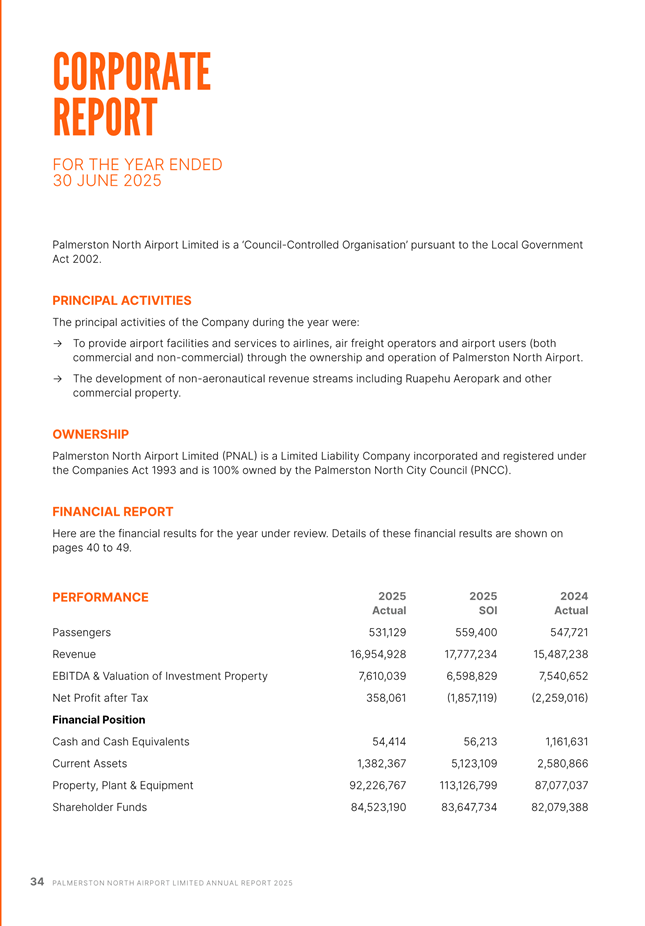
2.1 PNAL’s
Annual Report for the year ended 30 June 2025 is attached. The report
gives a comprehensive assessment of company performance with key matters
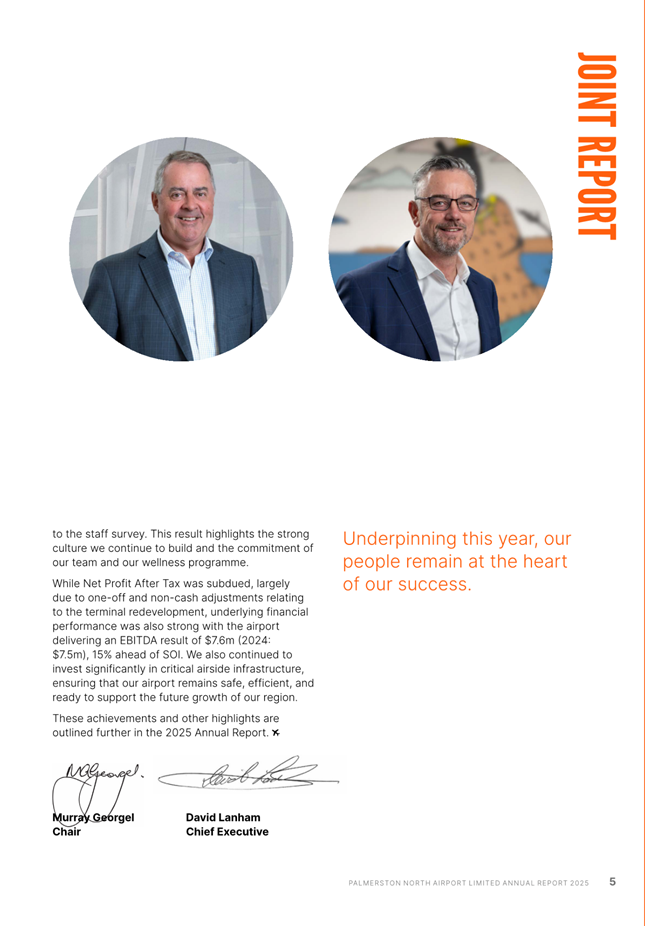
highlighted in the joint report of the Chair and Chief Executive.
Performance is evaluated against the Statement of Intent agreed by the Council in
June 2024.
2.2 PNAL’s
interim report to 31 December 2024 was considered during April 2025. That
report outlined PNAL had met its key performance targets for the 6 months apart
from passenger numbers, which although higher than the previous year, were
below the SOI expectation. Caution was expressed about the prospects for the
rest of the year given market changes.
2.3 Operating
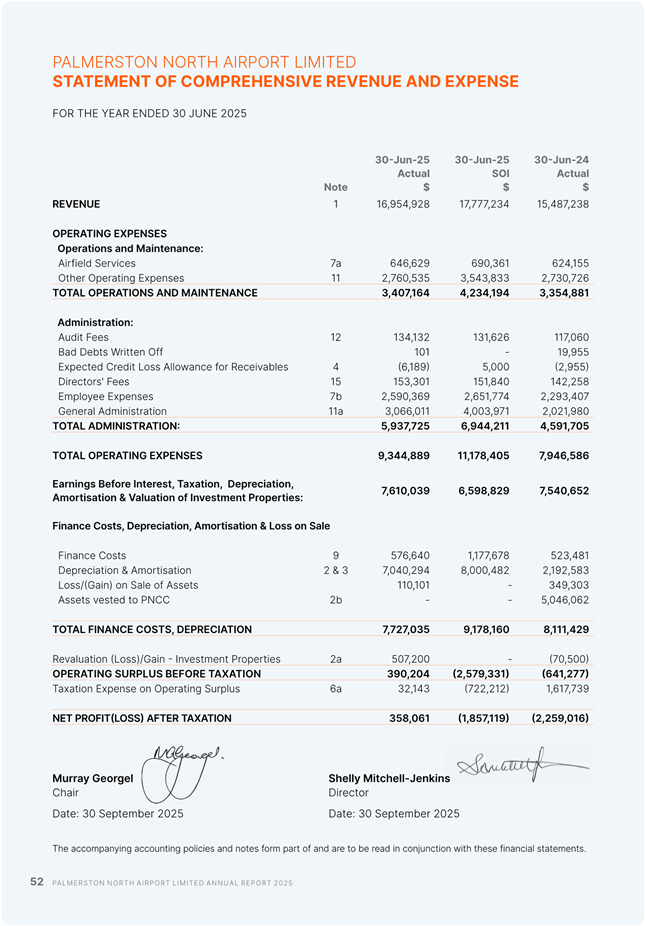
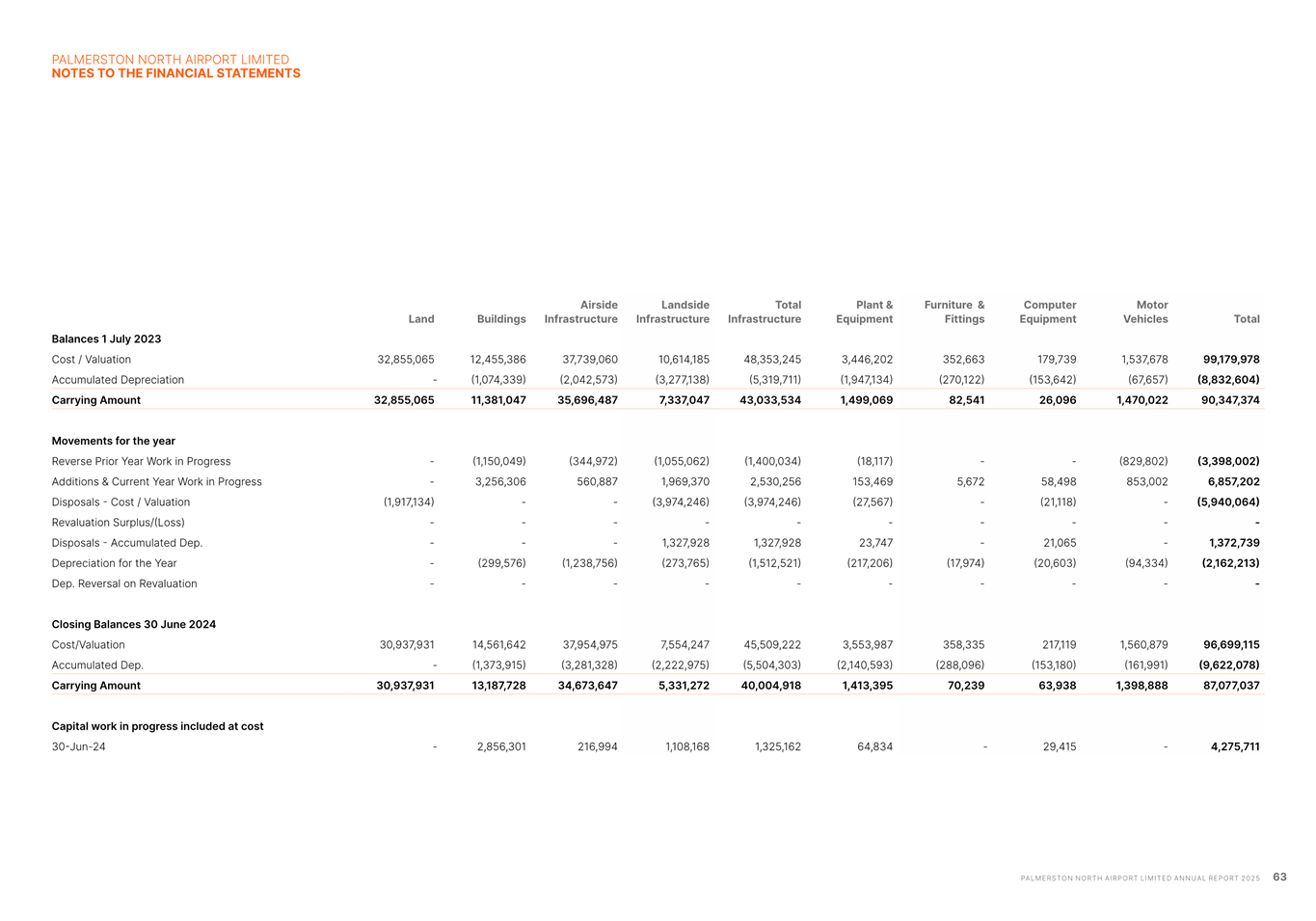
results for the year are summarised in the following table:
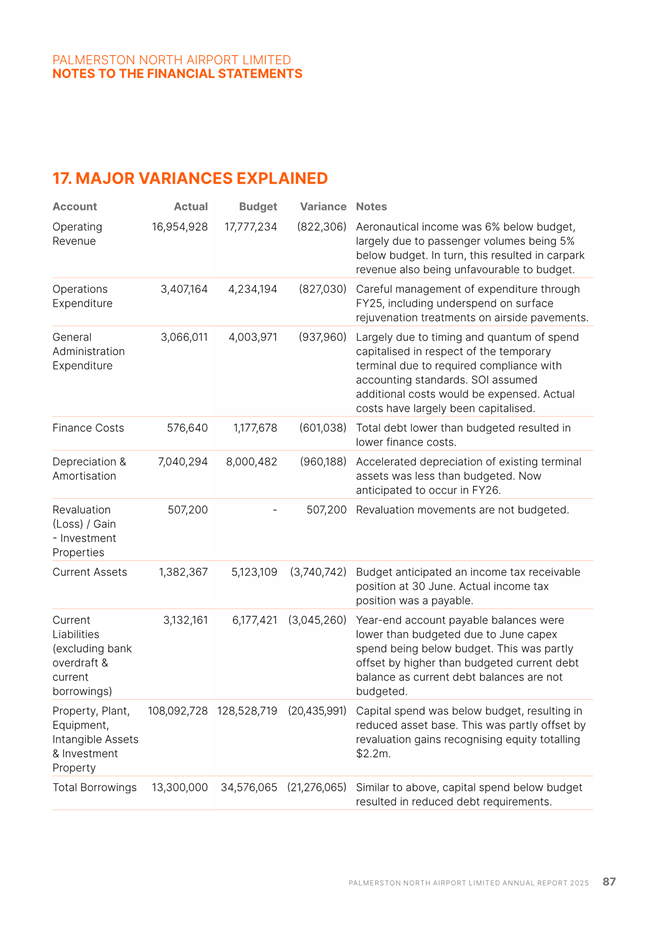
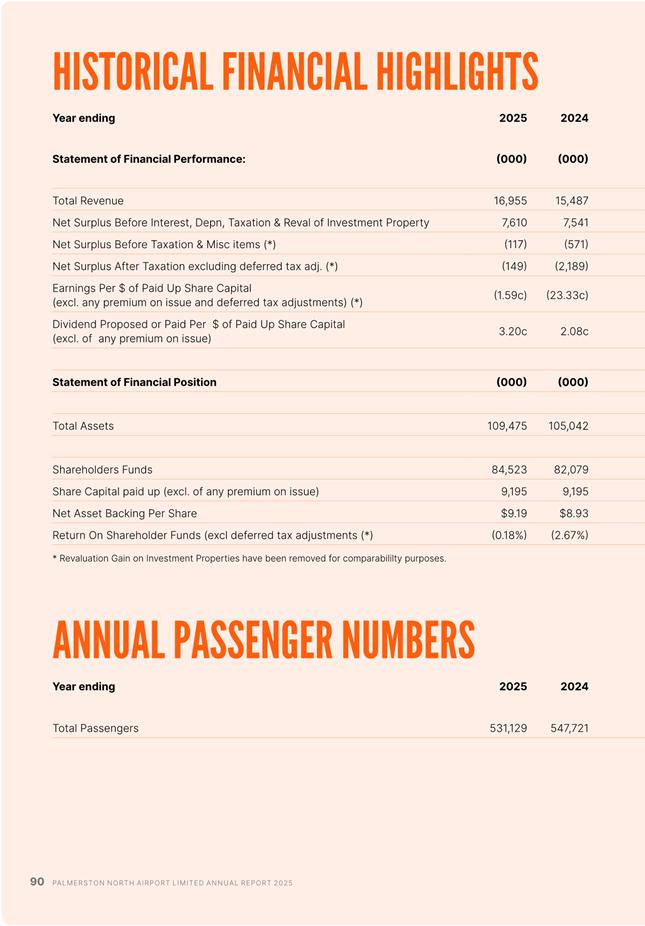
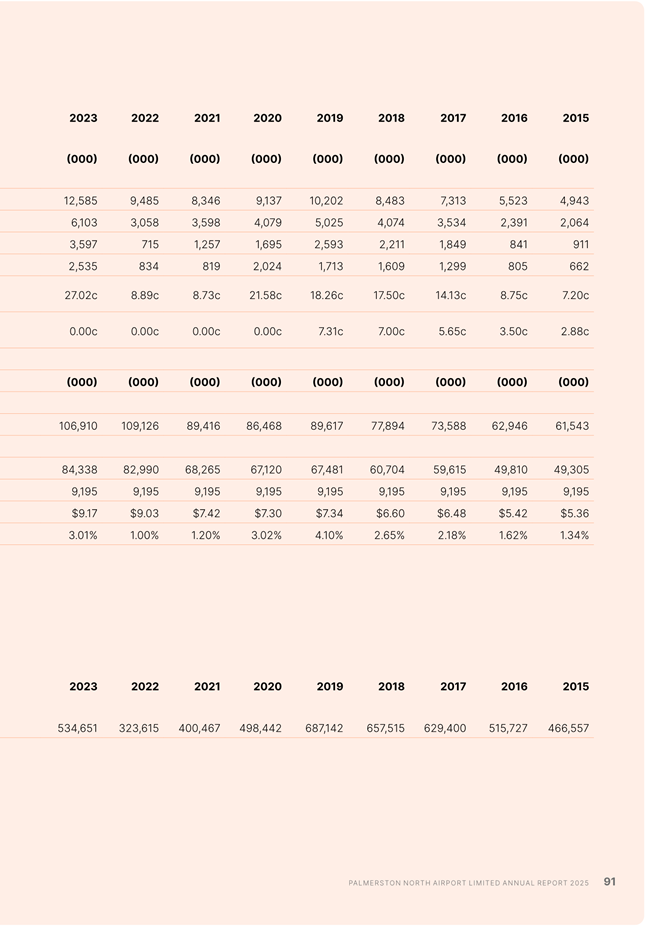
Table 1 Operating Results
|
Actual
2022/23
|
Actual
2023/24
|
|
Actual
2024/25
|
Budget
2024/25
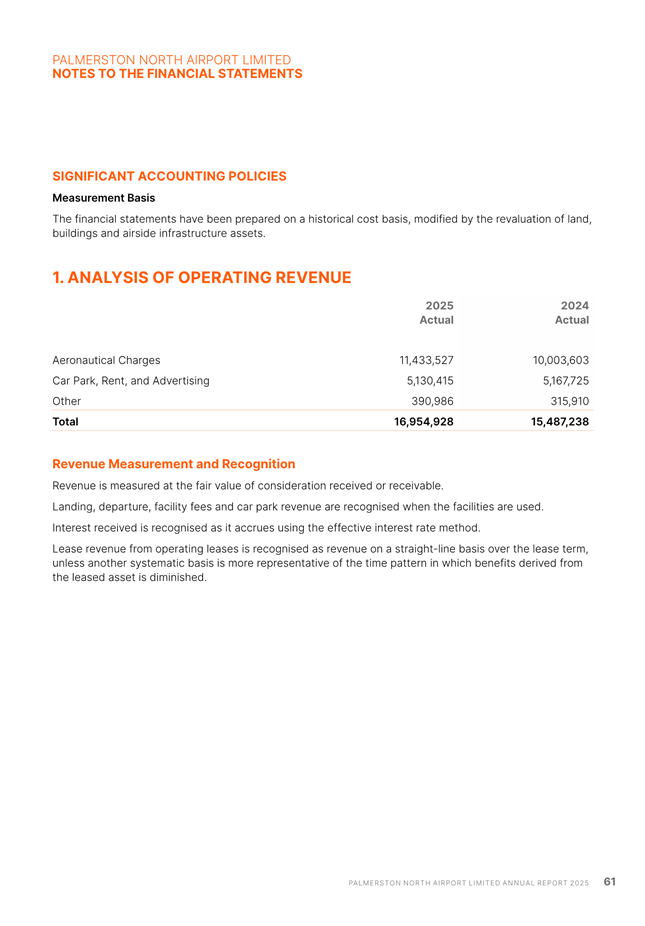
SOI
|
|
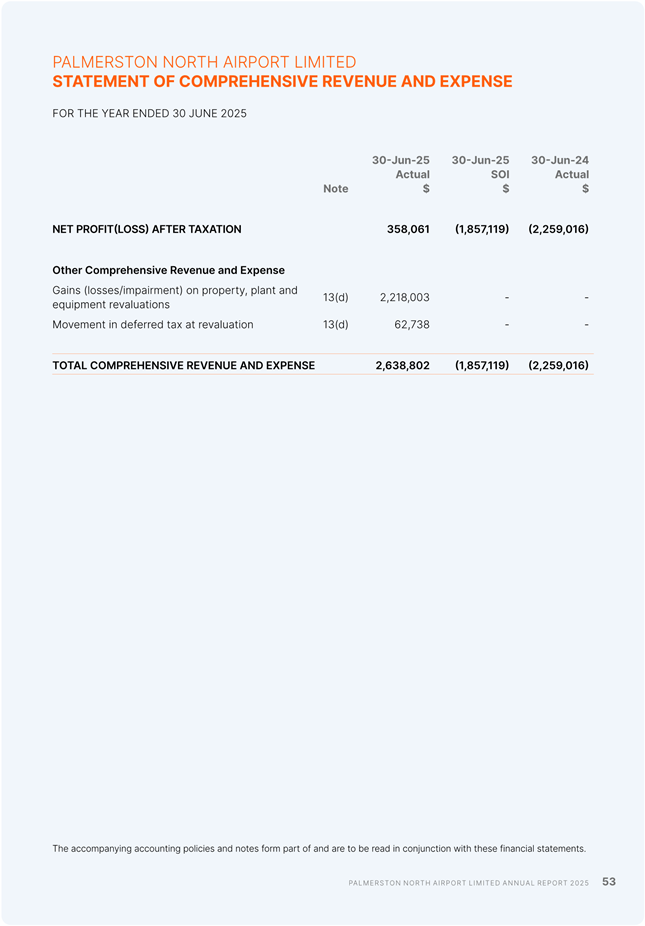
12,585,130
|
15,487,238
|
Revenue
|
16,954,928
|
17,777,234
|
|
6,482,263
|
7,946,586
|
Operating
Expenditure (incl. PFAS related extra-ordinary items)
|
9,344,889
|
11,178,405
|
|
6,102,867
|
7,540,652
|
Operating
Surplus (before interest, depreciation & tax)
|
7,610,039
|
6,598,829
|
|
2,173,143
594,399
(261,348)
0
|
2,192,583
523,481
349,303
5,046,062
|
Depreciation
& Amortisation[1]
Finance
Costs
Loss
(gain) on sale of assets
Assets
vested to Council
|
7,040,294
576,640
110,101
0
|
8,000,482
1,177,678
0
0
|
|
415,741
|
(70,500)
|
Revaluation
(loss)/gain – Investment properties
|
507,200
|
0
|
|
4,012,414
|
(641,277)
|
Net
Surplus/(deficit) (before tax)
|
390,204
|
(2,579,331)
|
|
1,061,993
|
1,617,739
|
Taxation
|
32,143
|
(722,212)
|
|
2,950,421
|
(2,259,016)
|
Net
Surplus/(deficit) after tax for year
|
358,061
|
(1,857,119)
|
2.4 A
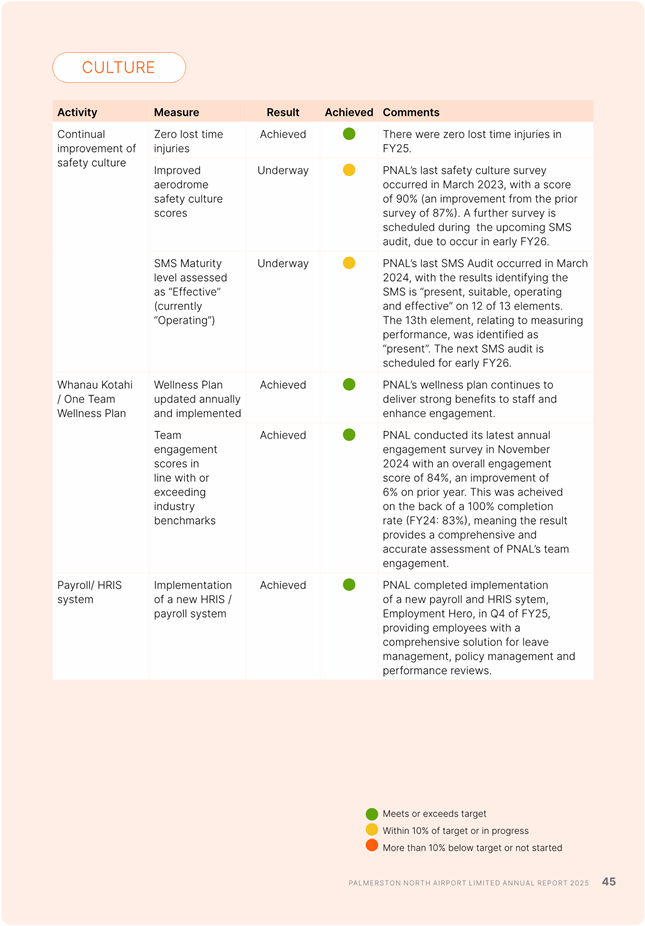
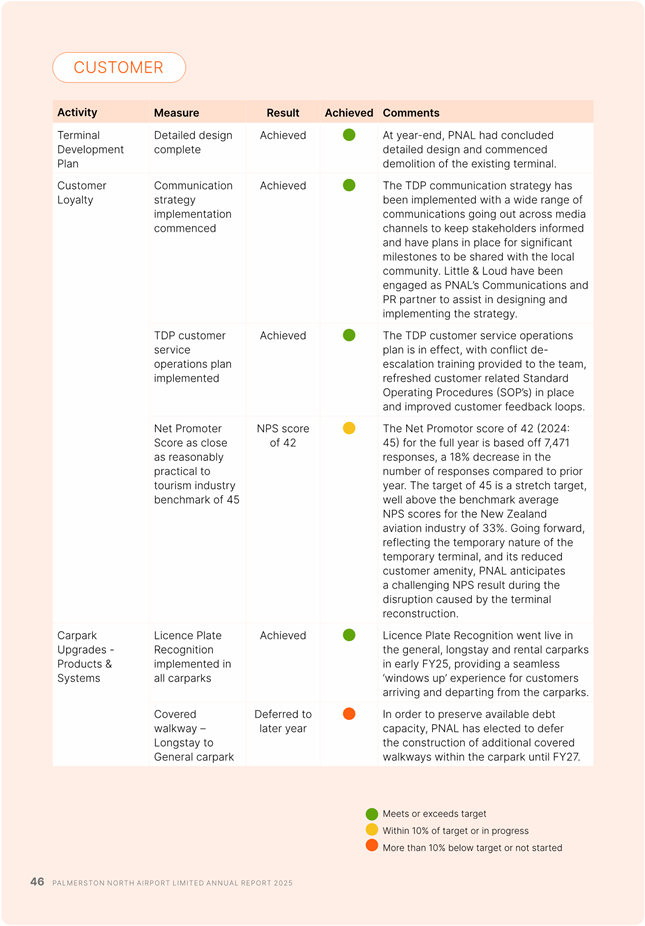
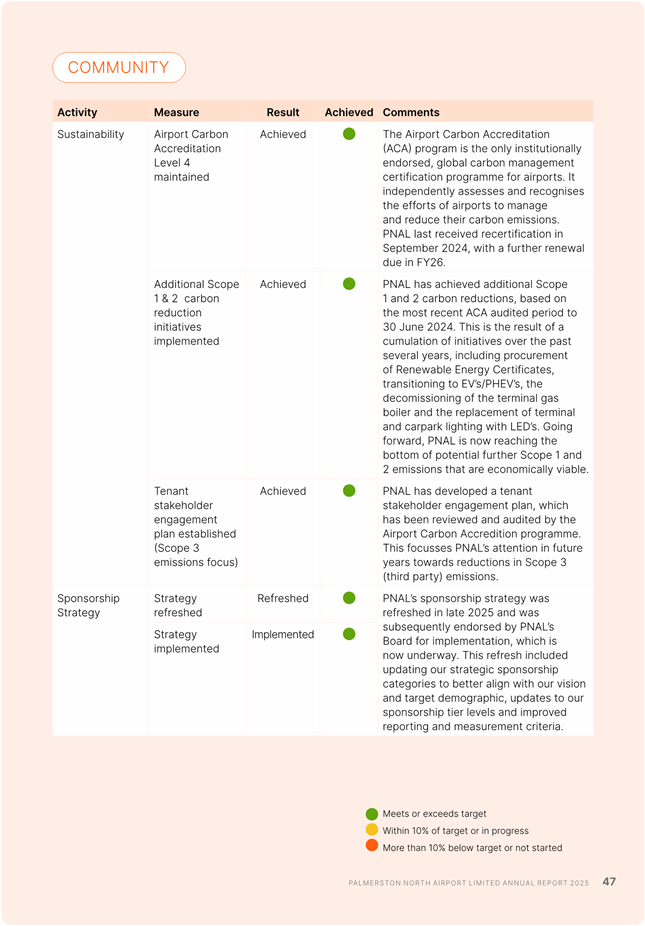
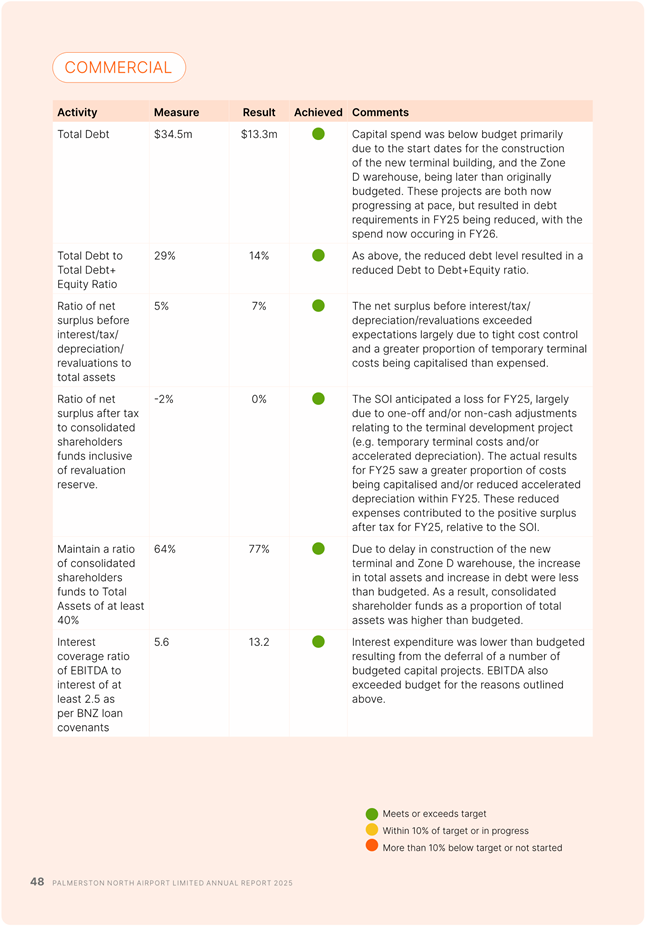
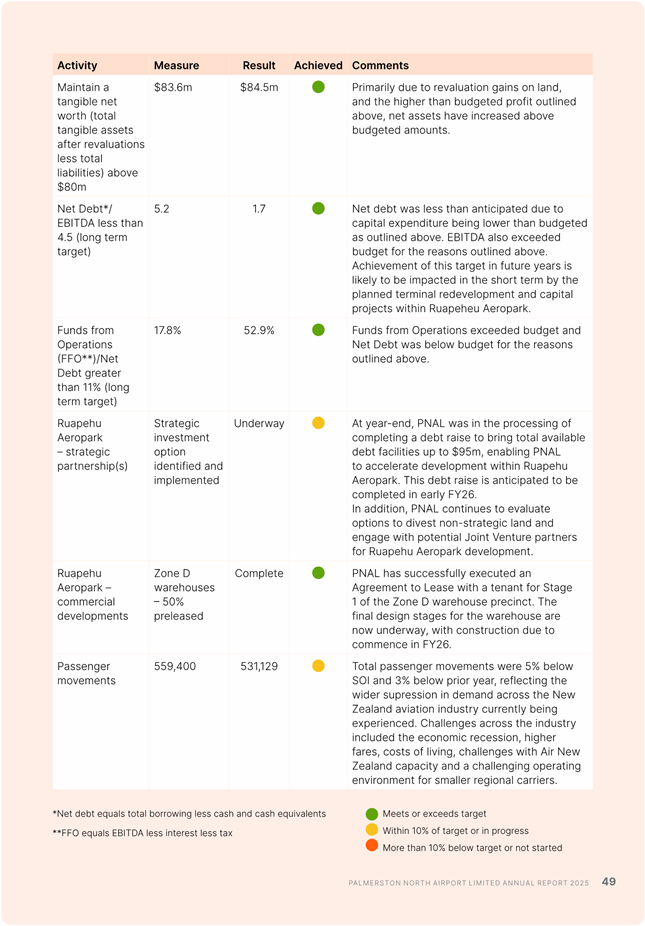
selection of PNAL’s results, compared with the targets set in the
Statement of Intent are shown in Table 2 below. A more detailed
explanation of performance against a wider range of objectives is shown in
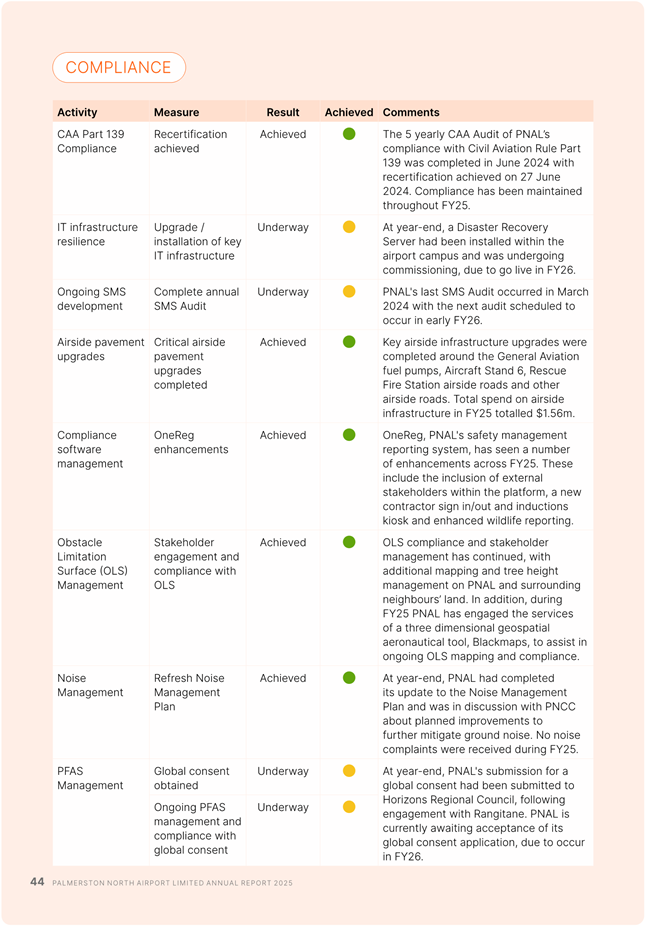
pages 44-49 of PNAL’s report.
Table 2 – Results compared with
targets set in Statement of Intent
|
Actual
2023/24
|
|
Actual
2024/25
|
SOI
Target
|
|
7%
|
Surplus, before
interest/tax/depreciation/ revaluations to Total Assets
|
7%
|
5%
|
|
-2.8%
|
Surplus,
after interest/tax/revaluations to Shareholders’ funds
|
0%
|
(2)%
|
|
14.4
|
Surplus,
before interest & tax to Interest ≥ 2.5: 1
|
13.2
|
5.6
|
|
$82.1m
|
Tangible
net worth (total tangible assets minus total liabilities) ≥ $80m
|
$84.5m
|
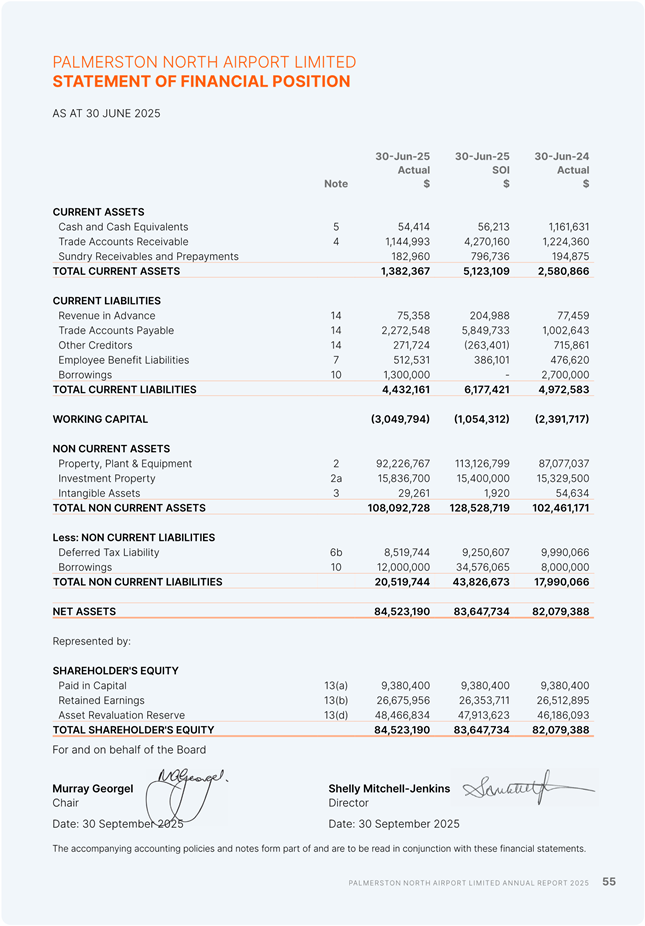
$83.6m
|
|
78%
|
Ratio of
consolidated shareholders’ funds to total assets ≥ 40%
|
77%
|
63%
|
|
$10.7m
|
Total Debt
|
$13.3m
|
$34.6m
|
|
13%
|
Debt to
Equity ratio
|
14%
|
29%
|
|
1.3
|
Net
Debt*/EBITDA (<4.5)
|
1.7
|
5.2
|
|
57%
|
Funds from
Operations (FFO**)/Net Debt (long term target > 11%)
|
52.9%
|
17.8%
|
|
45
|
Maintain a
Net Promotor score of 45 or above, measured on an annual basis
|
42
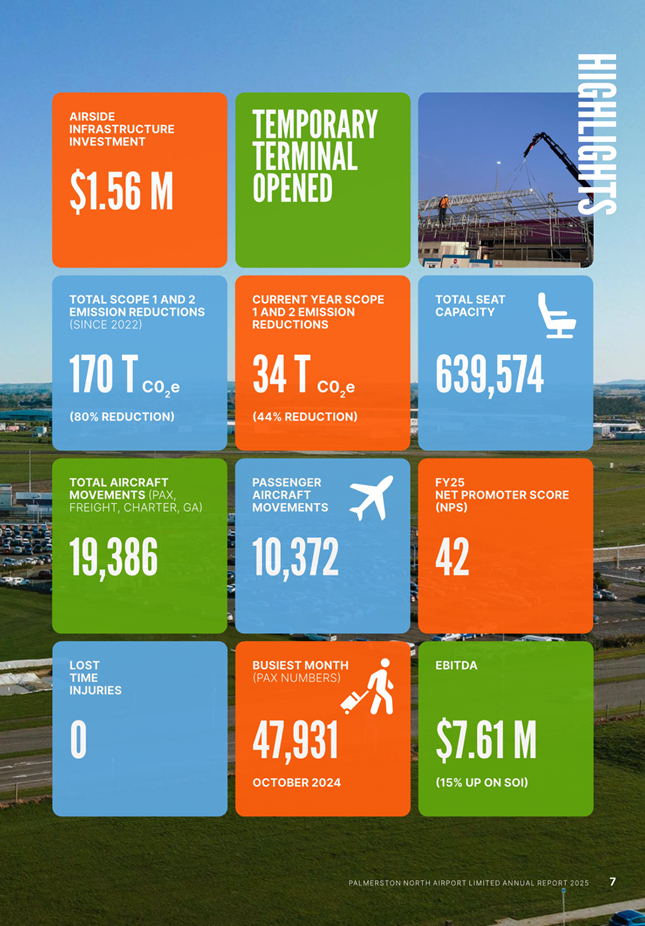
|
45
|
|
547,721
|
No. of
passengers served through airport terminal
|
531,129
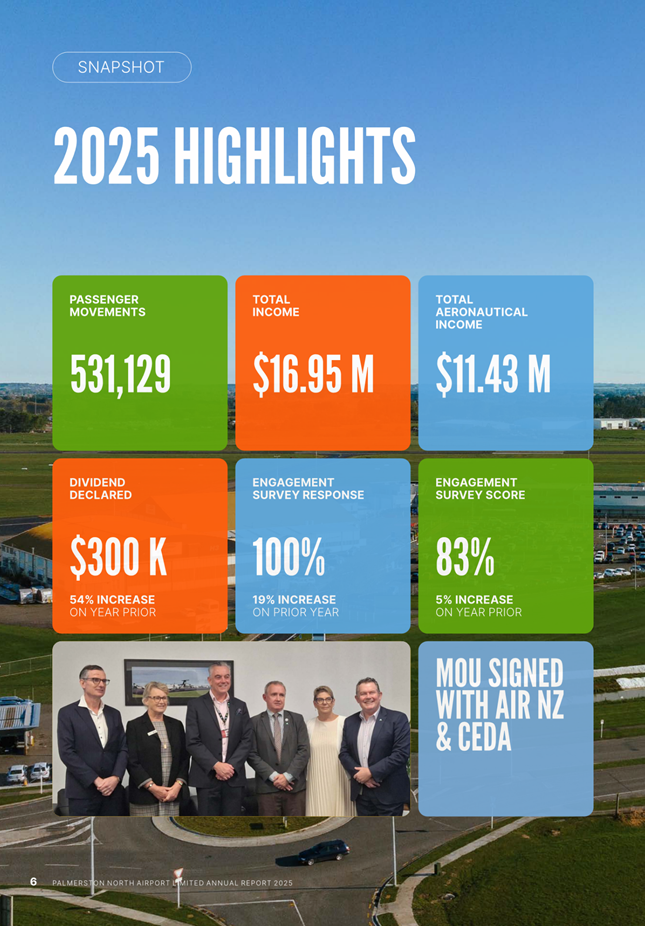
|
559,400
|
|
Zero
|
Achieve
zero lost time injuries to those who work within our airport community
|
Zero
|
Zero
|
|
Maintained
|
Maintain
Civil Aviation Rule part 139 certification
|
Maintained
|
Maintain
|
|
Achieved
|
Achieve
Airport Carbon Accreditation level 4
|
Maintained
|
Maintain
|
*Net Debt equals total borrowings less
cash on hand **FFO equals EBITDA (earnings before interest, tax,
depreciation & amortisation) less interest cash
2.5 The
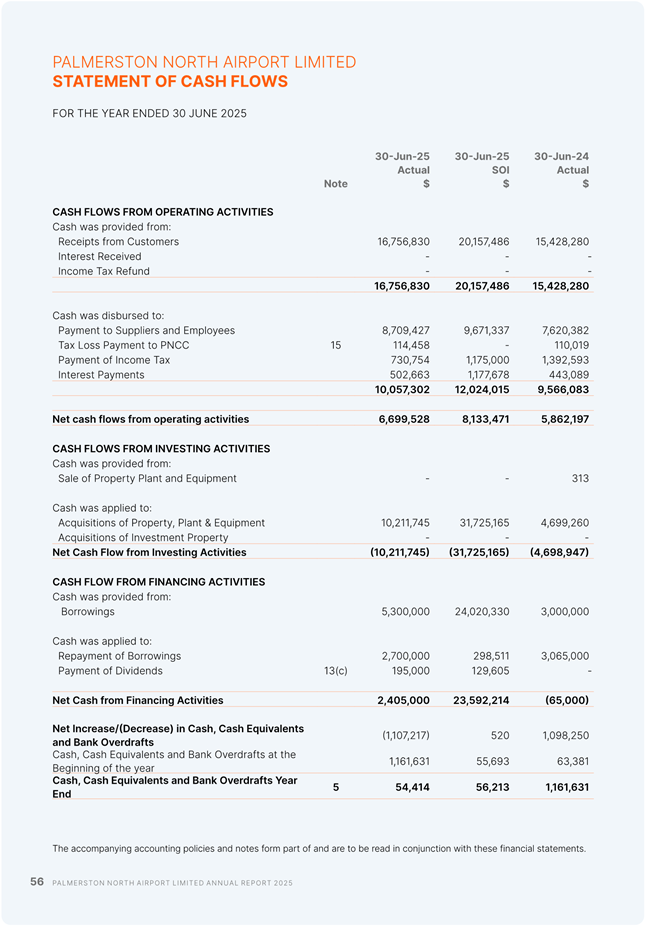
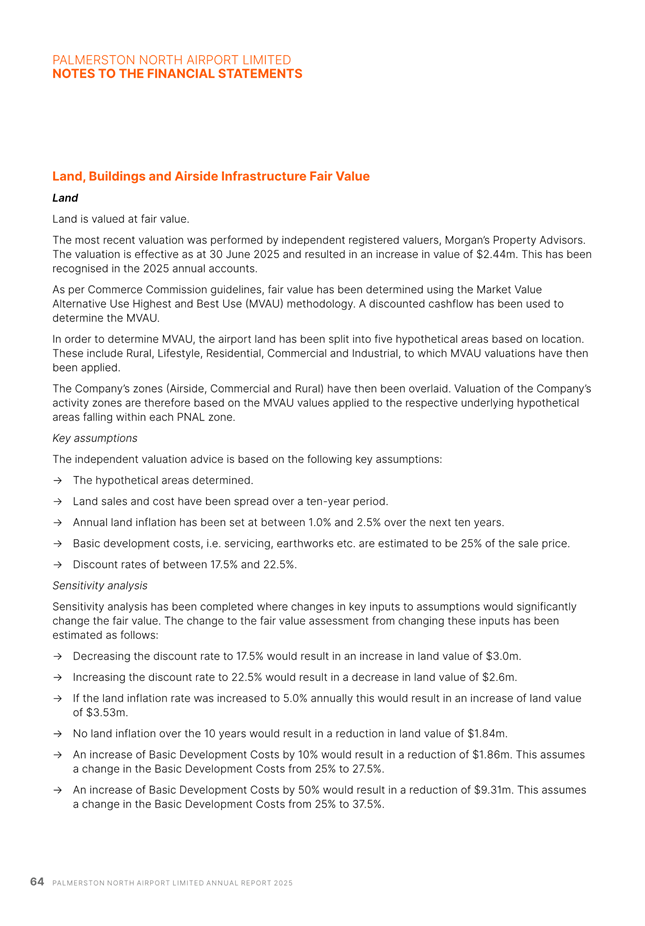
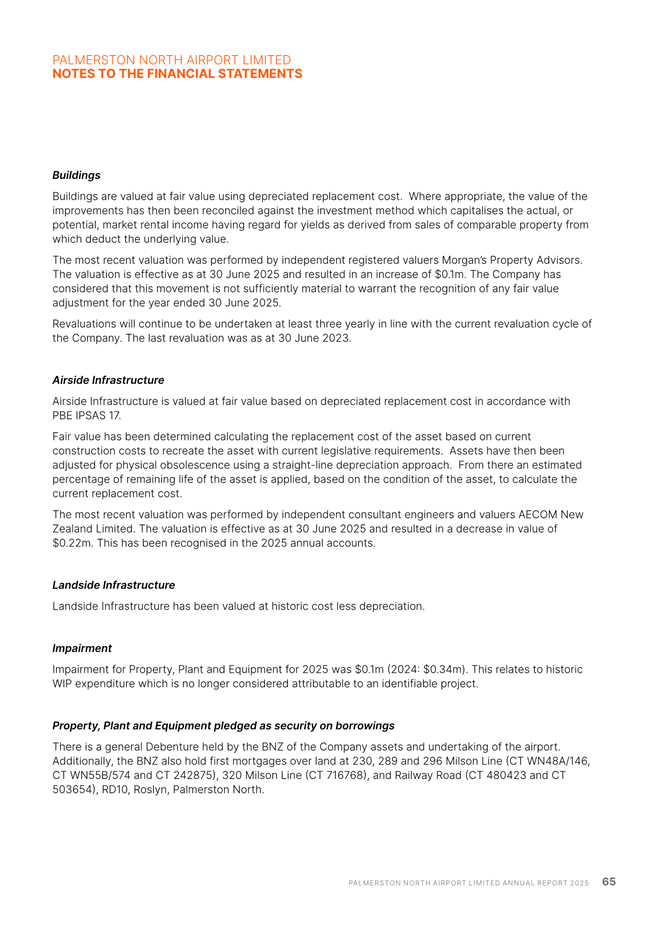
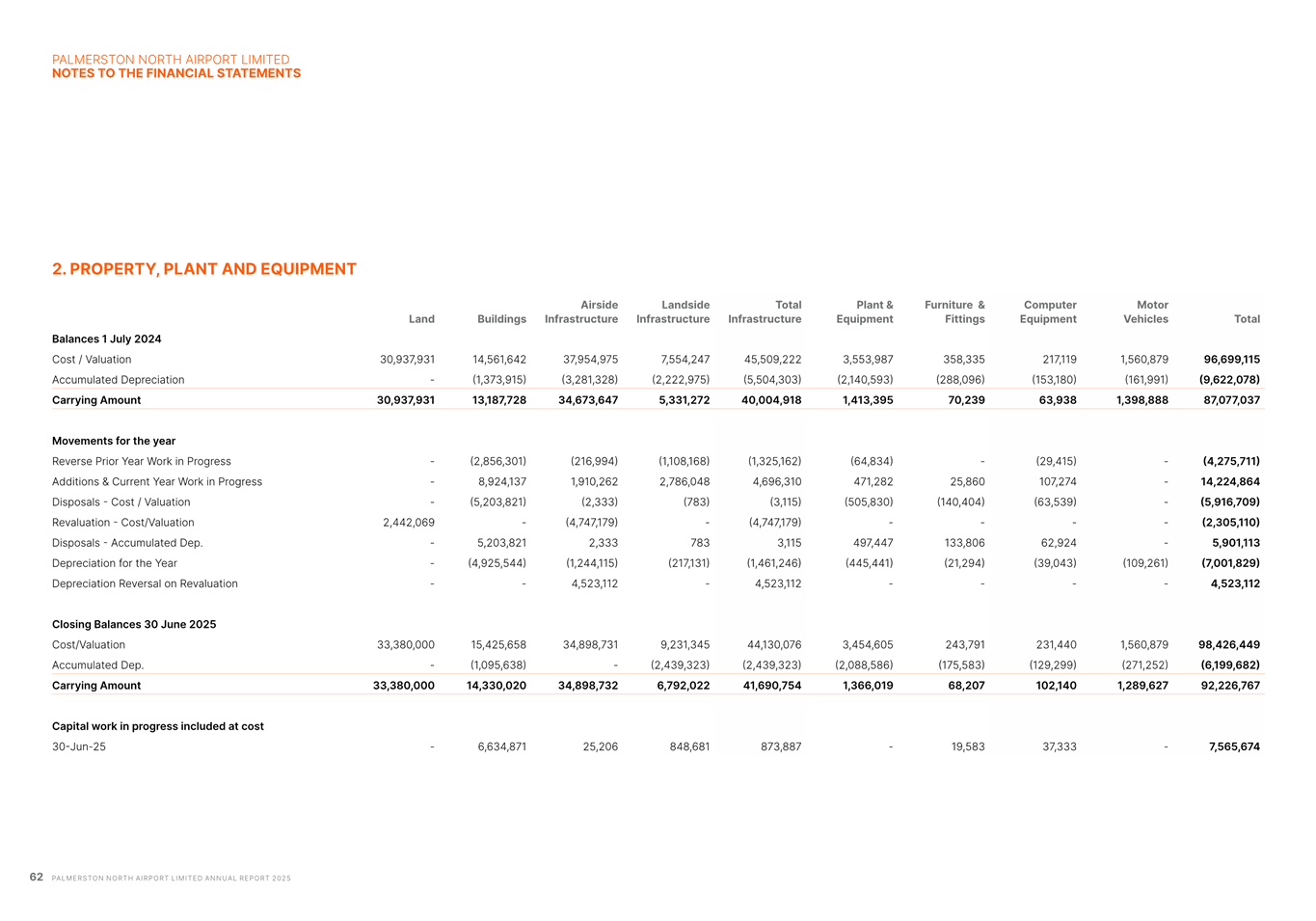
Company applied $10.2m during the year to the purchase of fixed assets ($4.7m
in the previous year). This compares with the budgetary provision for
capital expenditure of $31.7m.
2.6 The
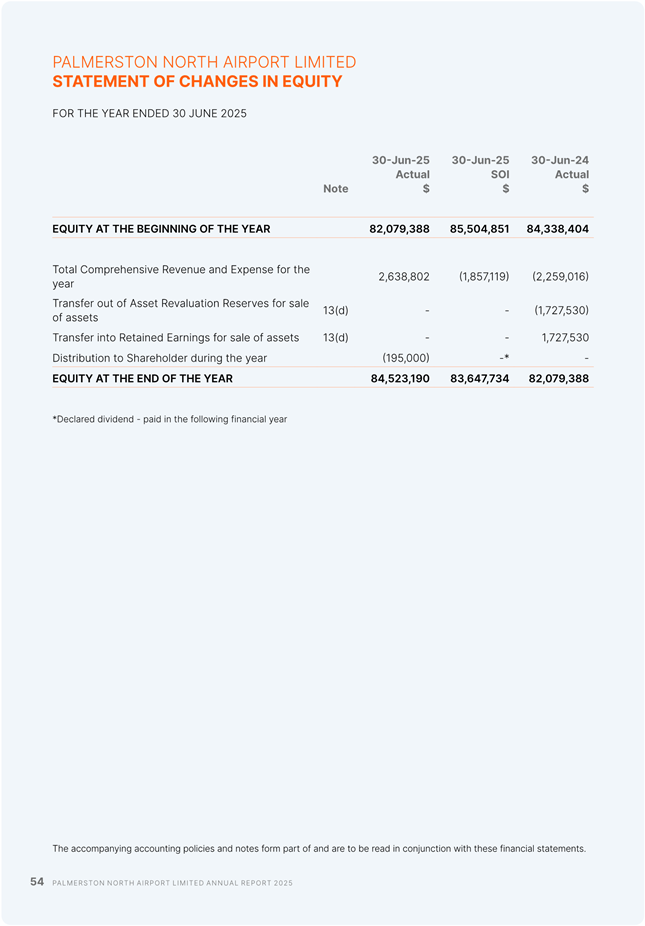
Annual Report advises that a dividend of $300k is planned. This is
consistent with the expectations contained in the Statement of Intent.
2.7 The
Company’s ratio of shareholders’ funds to total assets as at 30
June 2025 was 77:23 (78:22 at 30 June 2024).
Annual
Meeting of Shareholders
2.8 The
Company must hold an Annual Meeting of shareholders within six months of its
balance date i.e. no later than 31 December 2025. As the Council is the
sole shareholder it is planned (as usual) to hold the Annual Meeting by way of
entry in the minute book rather than to hold a physical meeting.
2.9 The
Annual Meeting (by way of entry in the minute book) will have resolutions (as
attached) covering the following:
2.9.1 Receipt
of the Annual Report and financial statements for the year ended 30 June 2025.
2.9.2 Advice
the directors propose that a dividend of $300k be payable for the year ended 30
June 2025.
2.9.3 Approving
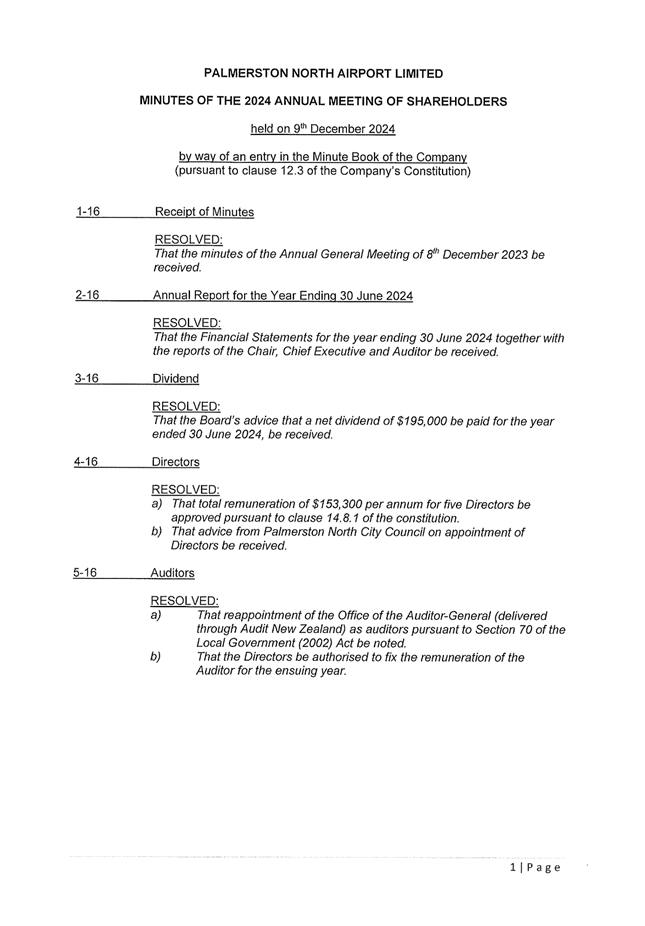
the total remuneration of directors being $157,746 for five directors.
2.9.4 Recording
the reappointment of the Auditor General as auditor and to authorise the
directors to fix the remuneration of the auditors.
Directors’
Fees
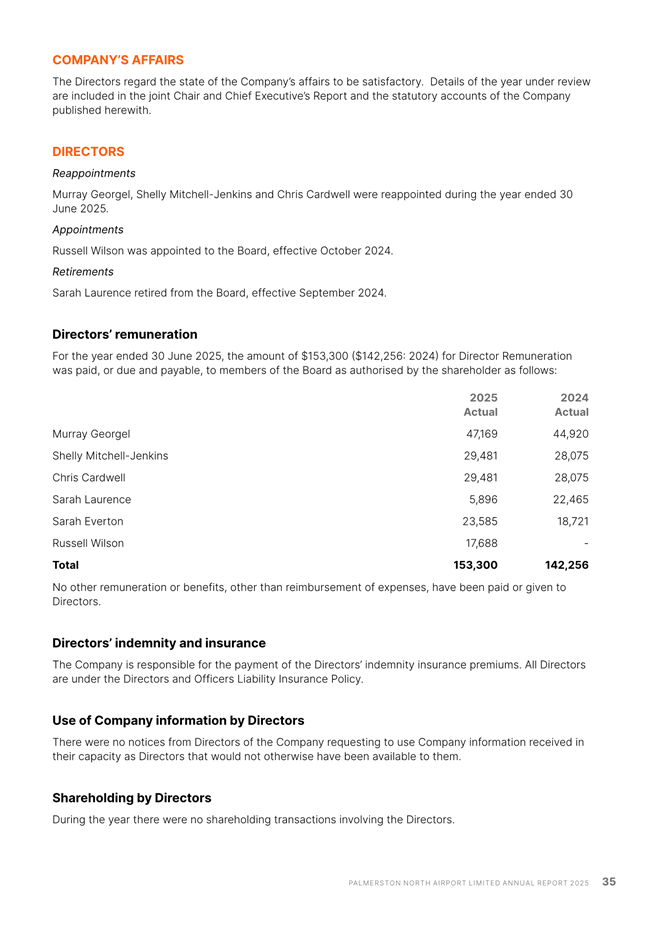
2.10 In
December 2024 the Council agreed that total remuneration for the directors for
five directors would be $153,500 for 2024/25 year.
2.11 In
April 2024 Council approved an amendment to the Appointment of Directors Policy
that says the remuneration of CCO board members will be adjusted annually by
the Labour Cost Index (Public Sector Managers), December quarter.
2.12 The
index for the December 2024 quarter was 2.9% and applying this brings the
directors’ fees for the year to $157,746.
3. NEXT STEPS
3.1 PNAL’s
Annual Report will be published on the Company’s and Council’s
websites.
3.2 In
June 2025 the Economic Growth Committee agreed to PNAL’s Statement of
Intent for 2025/26 to 2027/28. The next update on performance will be in
the interim report for the period to 31 December 2025 that will be provided
early in 2026.
3.3 A
Statement of Expectations setting out Council’s expectations of PNAL for
the 2026/27-2028/29 period will be reported in a separate report to the
Council. This will inform PNAL’s draft Statement of Intent for
2026/27 which is due by the end of February 2026.
4. Compliance and administration
|
Does the
Council have delegated authority to decide?
|
Yes
|
|
Are the
decisions significant?
|
No
|
|
If they are
significant do they affect land or a body of water?
|
No
|
|
Can this
decision only be made through a 10 Year Plan?
|
No
|
|
Does this
decision require consultation through the Special Consultative procedure?
|
No
|
|
Is there
funding in the current Annual Plan for these actions?
|
Yes
|
|
Are the
recommendations inconsistent with any of Council’s policies or plans?
|
No
|
|
The
recommendations contribute to:
Whāinga
1: He tāone auaha, he tāone tiputipu
Goal 1: An
innovative and growing city
|
|
The recommendations contribute
to the achievement of objective/objectives in:
2. Mahere whakawhanake
ohaoha
2.
Economic Development Plan
The objective
is: operating a key gateway for people and freight to and from the city and
the wider region; grow passenger numbers and freight using the airport
|
|
Contribution
to strategic direction and to social, economic, environmental and cultural
well-being
|
PNAL is
playing an active part in growing the City.
|
|
|
|
Attachments
|
1.
|
Annual Report for Year ended 30
June 2025 ⇩
|
|
|
2.
|
Letter and Notice of Annual
Meeting ⇩
|
|
Memorandum
TO: Council
MEETING DATE: 8
October 2025
TITLE: Palmerston
North Airport Ltd - Statement of Expectations 2026/27-2028/29
Presented By: Steve
Paterson, Manager - Financial Strategy
APPROVED BY: Cameron
McKay, General Manager Corporate Services
RECOMMENDATIONS
TO Council
1. That
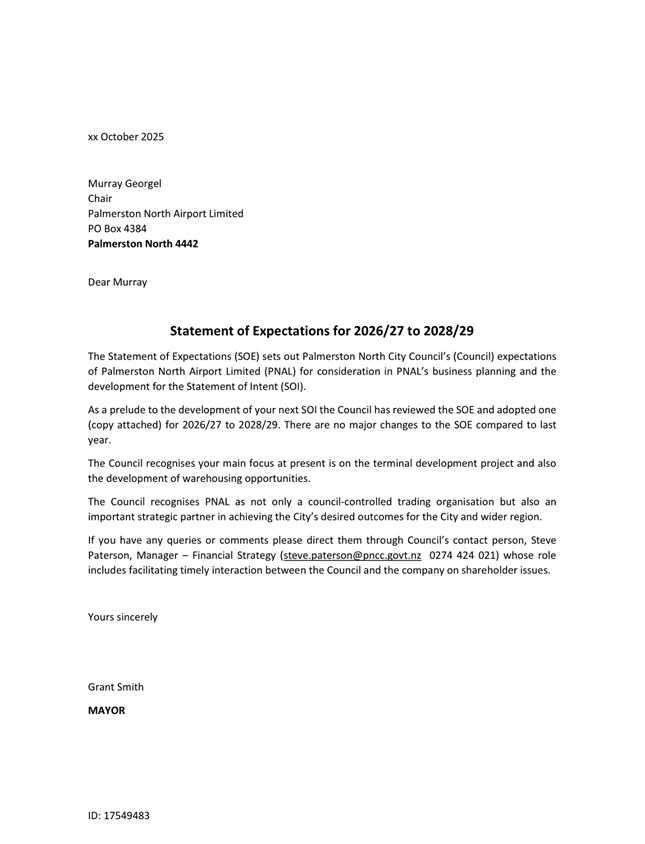
the Council adopt the Statement of Expectations for Palmerston North Airport
Ltd 2026/27-2028/29 (Attachment 1).
1. ISSUE
1.1 Statements
of Expectations (SOE) have become an established part of the accountability
regime for council-controlled organisations (CCOs). A first SOE for
Palmerston North Airport Ltd (PNAL) was adopted by Council in December 2020 and
subsequent ones in December 2021, November 2022, December 2023 and November
2024. The most recent SOE formed the basis for the preparation of
PNAL’s Statement of Intent (SOI) for 2025/26-2027/28. The present SOE states it will be updated annually, so it
is necessary to review and adopt an updated version for the 2026/27-2028/29
period.
2. BACKGROUND
2.1 The
Local Government Act 2002 (LGA) s.64B was amended in October 2019 to provide
that as part of the accountability regime for CCOs:
(1) The shareholders in a council-controlled
organisation may prepare a statement of expectations that—
(a) specifies how the organisation is to
conduct its relationships with—
(i) shareholding local authorities;
and
(ii) the communities of those local
authorities, including any specified stakeholders within those communities; and
(iii) iwi, hapū, and other Māori
organisations; and
(b) requires the organisation to act
consistently with—
(i) the statutory obligations of the
shareholding local authorities; and
(ii) the shareholders’ obligations
pursuant to agreements with third parties (including with iwi, hapū, or
other Māori organisations).
(2) A statement of expectations may include
other shareholder expectations, such as expectations in relation to community
engagement and collaboration with shareholders and others in the delivery of
services.
(3) A
statement of expectations must be published on an Internet site maintained by
or on behalf of each local authority that is a shareholder of the organisation.
2.2 Council
adopted its most recent SOE for PNAL in November 2024. The accountability
cycle requires PNAL to present its draft SOI for the 2026/27-2028/29 period to
Council on or before 1 March 2026. If an SOE is to be produced it is
necessary for this to be sent to PNAL before Christmas this year, otherwise it
plays no meaningful part in the cycle.
2.3 Council’s
primary rationale for its equity shareholding in PNAL is to ensure the City has
an appropriate air gateway for passengers and freight.
2.4 PNAL
has embarked on a programme of very significant capital investment (principally
focused on the new terminal project) but also new warehousing as opportunities
arise. The scale of this development means it is important PNAL can rely
on continued shareholder support for their direction of travel. As this
was debated thoroughly prior to the commitment to the investment it is
recommended there be no significant change to the SOE for the next year.
2.5 The attached draft SOE
incorporates very minor changes to the current SOE to reflect the fact the
construction of the new terminal has commenced and to incorporate appropriate
dates for the new year. Dividend expectations are retained as outlined in
the current SOE.
3. NEXT STEPS
3.1 The
SOE will be updated for amendments (if any) arising from the Council meeting.
3.2 After
adoption by Council, the SOE will be sent to PNAL to inform their SOI.
The SOI is due to be provided to Council on or before 1 March 2026.
4. Compliance and administration
|
Does the
Council have delegated authority to decide?
|
Yes
|
|
Are the
decisions significant?
|
No
|
|
If they are
significant do they affect land or a body of water?
|
No
|
|
Can this
decision only be made through a 10 Year Plan?
|
No
|
|
Does this decision
require consultation through the Special Consultative procedure?
|
No
|
|
Is there
funding in the current Annual Plan for these objectives?
|
Yes
|
|
Are the
recommendations inconsistent with any of Council’s policies or plans?
|
No
|
|
The recommendations
contribute to:
Whāinga
1: He tāone auaha, he tāone tiputipu
Goal 1: An
innovative and growing city
|
|
The recommendations contribute
to the achievement of objective/objectives in:
2. Mahere whakawhanake
ohaoha
2.
Economic Development Plan
3. Mahere tūnuku
3.
Transport Plan
These relate
to having an innovative, resilient & low-carbon city economy where
people, whanau and communities can prosper & achieve their goals and a
city transport system that links people & opportunities.
|
|
Contribution
to strategic direction and to social, economic, environmental and cultural
well-being
|
The
airport is a key strategic gateway to the City
|
|
|
|
Attachments
|
1.
|
Draft PNAL Statement of
Expectations 2026-29 ⇩ 
|
|
REPORT
TO: Council
MEETING DATE: 8
October 2025
TITLE: Deliberations
advice - proposed Linklater Reserve on-leash dog control area
PRESENTED BY: Stacey
Solomon, Policy Analyst
APPROVED BY: David
Murphy, General Manager Strategic Planning
RECOMMENDATIONS
TO COUNCIL
1. That
the Council adopt Option 2, and make the area at Linklater Reserve from the
Kelvin Grove Road carpark up to the first treeline behind the BMX track dogs
on-leash, encompassing the wetlands area and the children’s playgrounds
and play spaces (but not the aeroplane), as described in Figure 3.
2. That
the Council instruct the Chief Executive to prepare an amended Dog Control
Policy and Dog Control Bylaw for adoption.
SUMMARY OF OPTIONS
ANALYSIS FOR THE PROPOSED LINKLATER RESERVE ON-LEASH DOG CONTROL AREA
|
Problem or
Opportunity
|
The Council
has consulted on its proposal to make part of Linklater Reserve (the Reserve)
a dogs on-leash area.
This report
provides information in response to submitters, and should be used to inform
the deliberations of the Council. Having considered submissions, the Council
should choose to either proceed with its proposal, proceed with an
amended proposal or not proceed with the proposal.
|
|
OPTION 1:
|
Adopt the
proposal (with minor adjustments) and make the area of Linklater Reserve from
the Kelvin Grove Road carpark, up to the aeroplane a dogs on-leash area
This option
is not recommended
|
|
Community Views
|
Option 1 is not supported by
the majority of submitters and petitioners, who have strongly opposed it.
However a number of submitters do support the proposal of the Council.
|
|
Benefits
|
This option meets the
expectations of those submitters who prefer an area of the Reserve be made
dogs on-leash to support safer general recreation activity, while still
providing an area for off-leash exercise for dogs. This option also overcomes
the contradiction in the Councils own policy related to dogs being off-leash
in areas where children or other vulnerable people are likely to be.
|
|
Risks
|
There is a risk that any rule
change is not followed by park users and is therefore ineffective. There is
also reputational risk associated with Option 1, where submitters that do not
support the proposal feel that are not being listened to by the
Council.
|
|
Financial
|
There are costs associated with
Option 1 which exceed current budget provision. Additional budget would need
to be made available to implement the option.
|
|
OPTION 2:
|
Adopt an amended proposal which makes the area from
the Kelvin Grove Road carpark up to the first treeline behind the BMX track
on-leash, encompassing the wetlands area and the children’s playgrounds
and play spaces (but not the aeroplane)
This option
is recommended
|
|
Community Views
|
Submitters (many reluctantly)
considered this option to be a compromise between status quo, and the
original proposal of the Council.
|
|
Benefits
|
This option responds to most
submitters, those who do and those who do not support the proposal. It
retains more of the Reserve for off-leash exercise than Option 1, keeping the
children’s play equipment and play spaces in the on-leash area. Option
2 also overcomes the Council’s own policy conflicts.
|
|
Risks
|
As with any of the options,
there is a risk that a rule change is not followed by park users and is
ineffective. This option does not address the requests of submitters who
preferred that the wetland area be off-leash for dogs.
|
|
Financial
|
Option 2 can be accommodated
within current budget.
|
|
OPTION 3:
|
Adopt an
amended proposal to make the area of Linklater Reserve from the Kelvin Grove
Road carpark up to the first treeline behind the BMX track on-leash,
encompassing the children’s playgrounds and play spaces (but not the aeroplane),
and excluding the wetlands area
This option
is not recommended
|
|
Community Views
|
Submitters specified the
wetland area as being especially important for off-leash dog exercise and
socialisation. This option would be disruptive for the disc-golf course,
which would require relocation of some of the equipment.
|
|
Benefits
|
This option makes the wetlands
area off-leash for dogs, does not require moving the agility course, and
encompasses most of the children’s play spaces. This option also
overcomes the Councils own policy conflicts.
|
|
Risks
|
There is a risk that a rule change
is not followed by park users and is ineffective.
|
|
Financial
|
Option 3 exceeds current
budget.
|
|
OPTION 4:
|
Not proceed with the
proposal and instead fence some or all of the playground equipment at
Linklater Reserve. The whole of Linklater Reserve will remain a dogs
off-leash exercise area
This option is not
recommended
|
|
Community Views
|
Submitters argue that fencing
the playgrounds would be an acceptable way to reduce the risk an uncontrolled
dog might have in one of the higher-risk areas of the Reserve.
|
|
Benefits
|
This option does not require
changes to the Policy or the Bylaw (while overcoming the Councils own policy
conflicts), and would satisfy the requests of a majority of submitters.
|
|
Risks
|
There is a risk that this
option does not meet the expectations of submitters who expect that part of
Linklater Reserve will be made on-leash.
|
|
Financial
|
Option 4 exceeds current
budget.
|
|
OPTION 5:
|
Not proceed with the proposal
and consider additional regulatory or non-regulatory methods to address
issues at Linklater Reserve related to safety, amenity, and access. The whole
of Linklater Reserve will remain a dogs off-leash exercise area
This option is not
recommended
|
|
Community Views
|
Option 5 supports those
submitters who have proposed additionally regulatory and non-regulatory
alternatives to a rule change at Linklater Reserve.
|
|
Benefits
|
This option supports and
promotes behaviour change and responsible dog ownership (which includes
compliance with current controls). This option could be implemented on its
own, or in addition to any of the other options noted here.
|
|
Risks
|
Option 5 will have ongoing
long-term benefits, but may be less effective at addressing any immediate
safety concerns.
|
|
Financial
|
The financial implications of
Option 5 are significant. Exact costs would be determined by the
preferred alternative methods pursued by the Council.
|
|
OPTION
6:
|
Not proceed with the
proposal and maintain status quo
This option is not
recommended
|
|
Community Views
|
Option 6 would support the
views of those who have opposed the proposal and have asked that the rules
stay as they are, consequently this option does not support the views of
those who agree that an on-leash area should be established at the
Reserve.
|
|
Benefits
|
Option 6 stops this process and
is responsive to most submitters.
|
|
Risks
|
Some dissatisfaction from the
community who have asked for changes, or supported the proposal of the
Council.
|
|
Financial
|
There are no financial
implications to note if status quo is maintained.
|
EXECUTIVE Summary
· The
Council has consulted with the community on the proposal to make part of
Linklater Reserve dogs on-leash. Submissions on the proposal covered a range of
views with mixed opinions. Most submitters did not support the proposal.
· This
report recommends that the Council not proceed with its original proposal, and
instead adopt an amended proposal which retains more of Linklater Reserve for
dogs off-leash exercise and socialisation (Option 2). If the Council decides to
proceed with the original proposal, an adjustment has been made to the proposed
off-leash area in response to submissions from disc-golfers.
· Information
and analysis for alternative reasonable options available to the Council is
provided, as are the expected next steps for those options.
· Attached to this report is a complete submission analysis, the
assessment framework which has been developed and applied to the options
presented, a summary of consultation activity, and an overview of the dog
control areas in Palmerston North.
1. Overview of the problem or opportunity
1.1 The
Council has consulted with the community on the proposal to make part of
Linklater Reserve dogs on-leash. Linklater Reserve (the Reserve) is currently
all off-leash for dogs, except for the children’s play spaces and play
equipment.
1.2 The
Council should now deliberate on the submissions received, the advice prepared
in response to those submissions (Attachment 1), and proceed with
its proposal, proceed with an amended proposal, or not proceed and retain all
of the Reserve as a dogs off-leash area.
2. Background and previous council decisions
2.1.
On 28 May 2025, the Strategy & Finance Committee (the Committee) received a petition from the Kelvin Grove Community
Association (KGCA) to make part of Linklater Reserve on-leash for dogs. The
petition followed a prior submission of the KGCA to the review of the Palmerston North Dog Control Policy (the Policy) and the Palmerston North Dog Control Bylaw (the Bylaw) in early 2024, where the KGCA made a similar request of the
Council to make an area of the Reserve dogs on-leash. Staff advised the
Committee not to change the rules for the Reserve at that time (2024). The
Committee instead resolved to receive further information and advice following
engagement with the community on the option of designating part of Linklater
Reserve an on-leash area for dogs.[2]
2.2 In early 2025, we completed engagement
with the community. A mixture of feedback was received, with most people preferring
that the whole of the Reserve be retained as an off-leash exercise area. In May 2025, the Committee approved consultation on a proposal to
make part of Linklater Reserve dogs on-leash, specifically the area of the
Reserve from the Kelvin Grove Road up to the aeroplane (described in Figure
1). Consultation occurred between 27 June 2025 and 28 July
2025.
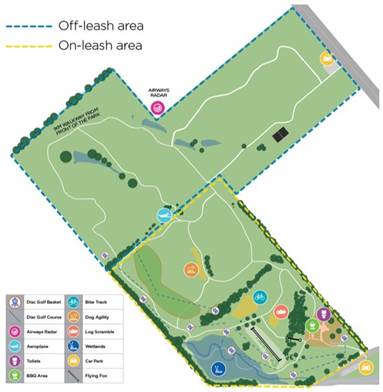
Figure 1: Proposed
on-leash area at Linklater Reserve
3. Response
to consultation
3.1 Consultation
returned 965 submissions, a petition unsupportive of the proposal with 226
signatures (66 signatories also made submissions), and 36 submissions from Year
3 students at Cornerstone Christian School (which is located in the Kelvin
Grove aera). The response is summarised in Table 1, below.
|
Submission response
|
Count
|
|
Support the proposal:
|
136 [14.1%]
|
|
Do not support the proposal:
|
795 [82.4%]
|
|
Are not sure / have no
preference:
|
16 [1.7%]
|
|
Did not state / it is not clear
for staff to determine a preference:
|
18 [1.8%]
|
|
Total submissions
|
965
|
|
NOTE:
three of the submissions the Council received were:
|
|
A petition from Elizabeth Schaw
which does not support the proposal (original submission 901). Sixty-six
signatories to the petition also made individual submissions
|
226 signatures
|
|
Collated submissions from Year 3
students at Cornerstone Christian School (original submission 902 –
noted as ‘group one’ in the Committee agenda)
|
21 mixed responses
|
|
Collated submissions from Year 3
students at Cornerstone Christian School (original submission 951 –
noted as ‘group two’ in the Committee agenda)
|
15 mixed responses
|
Table 1: Overall submission response
Hearing
of submissions and summary of submissions
3.2 Common
themes from submitters that did not support the proposal were:
· That most had not
experienced or witnessed an incident or issue at the Reserve (such as an
intimidating or aggressive dog, or dog attack) that would be cause enough to
make half of the Reserve dogs on-leash
· That most dog
owners are responsible dog owners; making half of the Reserve on-leash unfairly
penalises good dog owners
· That Linklater
Reserve was gifted to the Council/purchased by the Council specifically to be
used as an off-leash dog park
· That a small
number of people have asked for the change when they could use one of the many
other reserves in the city where dogs are not allowed off-leash
· That the majority
were not being listened to
3.3 Common
themes from submitters that did support the proposal were:
· That they had
experienced an incident with a dog that made them support an on-leash area at
the Reserve
· That they would
feel safer using the Reserve with a part of it being made dogs on-leash
· That the Reserve
is not a dog park and that it should be for everyone to use, not just dog
owners
3.4 A
detailed analysis of submissions, as well as responses and recommend ways
forward, is provided in Attachment 1.
3.5 We have
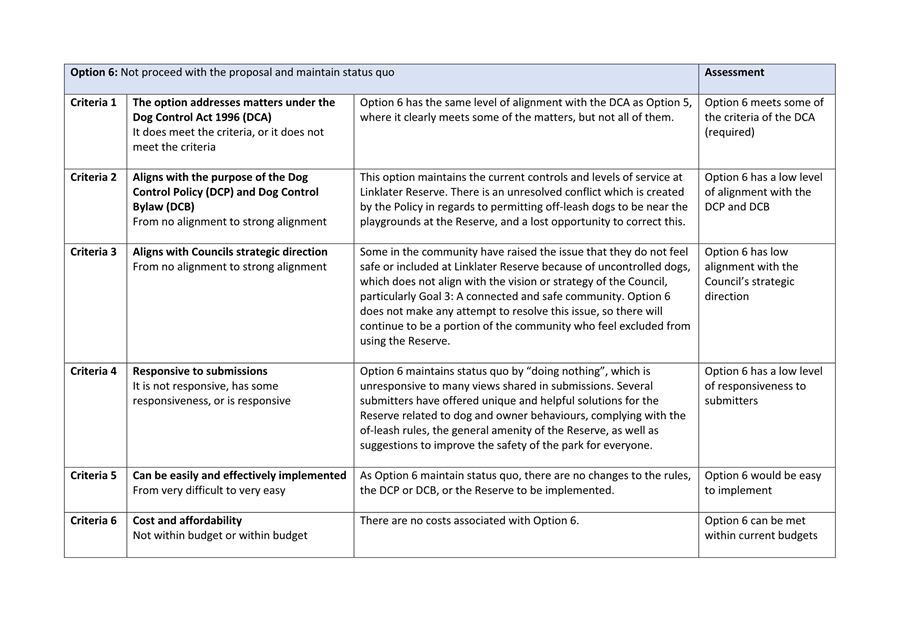
developed six options for the Council to consider through deliberations. The
methodology for assessment of the options is briefly explained in the next
section of this report. A detailed assessment of the options is provided
in Attachment 2.
4. Methodology
for assessing options
4.1 Each
option presented is developed from submission feedback and responds to
different aspects of submitters’ views. Because it is not possible for
any option to satisfy the needs and diverse or opposing requests of every
submitter, simple criteria have been developed and applied for the options so
that each can be considered consistently and fairly by the Council. This
ensures that each option is evaluated for its responsiveness to community
views, and its alignment with broader strategic, operational, and community
objectives. The criteria are:
· Criteria 1:
the option complies with and supports matters required under
the Dog Control Act 1996 (DCA)[3]
· Criteria 2:
the option aligns with the Councils own policies on dog
control described in the Dog Control Policy and Dog Control Bylaw
· Criteria 3:
the option supports the achievement of the long-term goals,
priorities, and vision of the Council set through the Long Term Plan
2024-34 and Oranga Papaioea City Strategy
· Criteria 4:
the option is responsive to the feedback of submitters
· Criteria 5:
the option can be easily and effectively implemented
· Criteria 6:
the resource requirements and affordability of the option
· Criteria 7:
the risk to the Council of proceeding with the option
4.2 We
have used a qualitative assessment for each of the options, supported by data,
submissions content, and other information where it is available and
appropriate. The analysis describes the general strengths and weaknesses
(expressed as advantages and disadvantages) of the options.
5. Description
of Options
5.1 Six
reasonable options have been identified:
5.2 Option 1: adopt the
proposal with minor adjustments, and make the area of Linklater Reserve from
the Kelvin Grove Road carpark, up to the aeroplane a dogs on-leash area.
This is shown in Figure 2.
5.3 Option 2: adopt an
amended proposal which makes the area from the Kelvin Grove Road carpark up to
the first treeline behind the BMX track on-leash, encompassing the wetlands
area and the children’s playgrounds and play spaces (but not the
aeroplane). This is shown in Figure 3.
5.4 Option 3: adopt an
amended proposal to make the area of Linklater Reserve from the Kelvin Grove
Road carpark up to the first treeline behind the BMX track on-leash,
encompassing the children’s playgrounds and play spaces (but not the
aeroplane), and excluding the wetlands area. This is shown in Figure 4.
5.5 Option 4: not
proceed with the proposal and instead fence some or all of the playground
equipment at Linklater Reserve. The whole of Linklater Reserve will remain a
dogs off-leash exercise area. This is shown in Figure 5.
5.6 Option 5: not
proceed with the proposal and consider additional regulatory or non-regulatory
methods to address issues at Linklater Reserve related to safety, amenity, and
access. The whole of Linklater Reserve will remain a dogs off-leash exercise
area. This is shown in Figure 6.
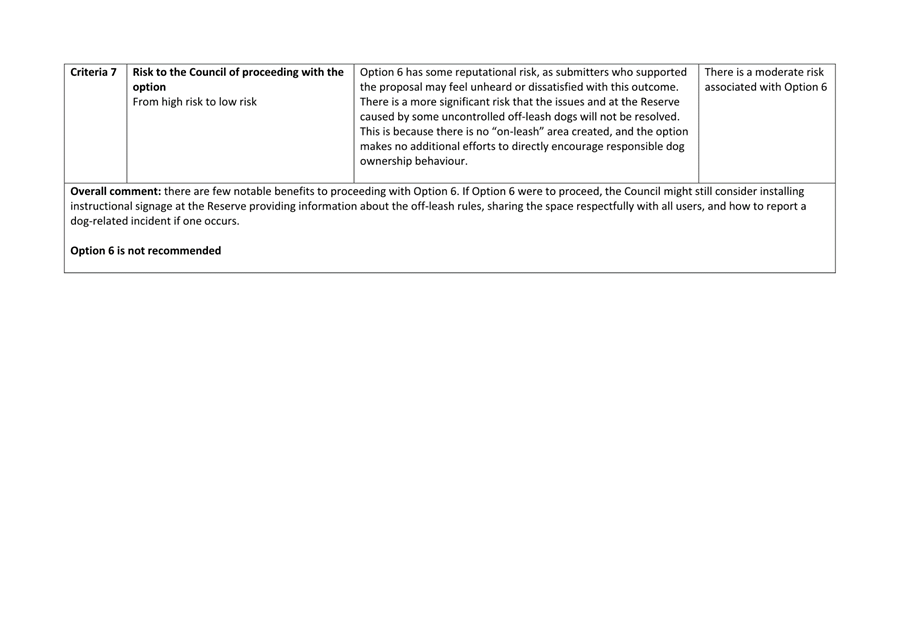
5.7 Option 6: not proceed
with the proposal and maintain status quo. The whole of Linklater Reserve will
remain a dogs off-leash exercise area.
6. Analysis
of options
6.1 This
section of the report presents an analysis of options. The advantages and
disadvantages of each option are described, and information relevant to
implementation, including impact on budget and levels of service is
provided.
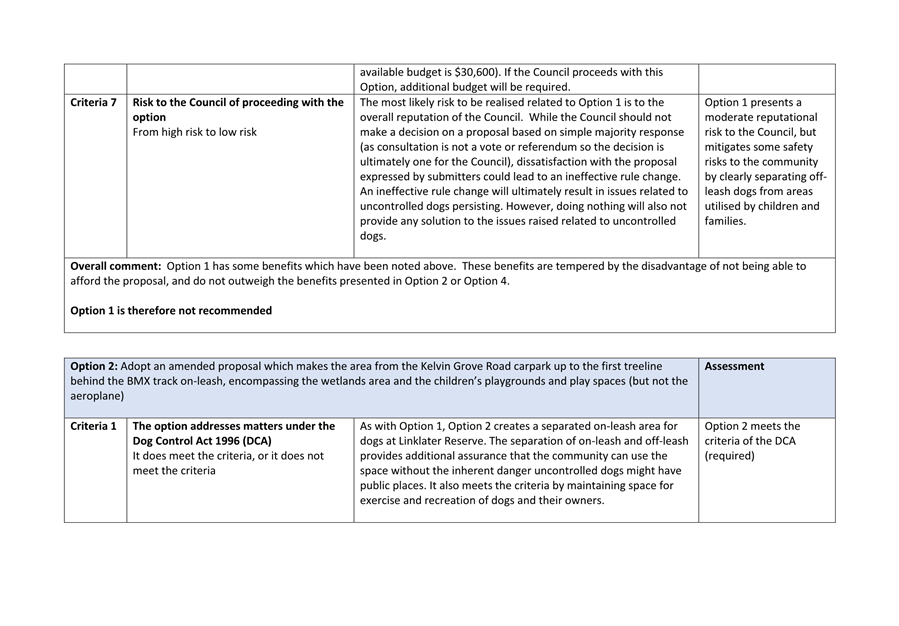
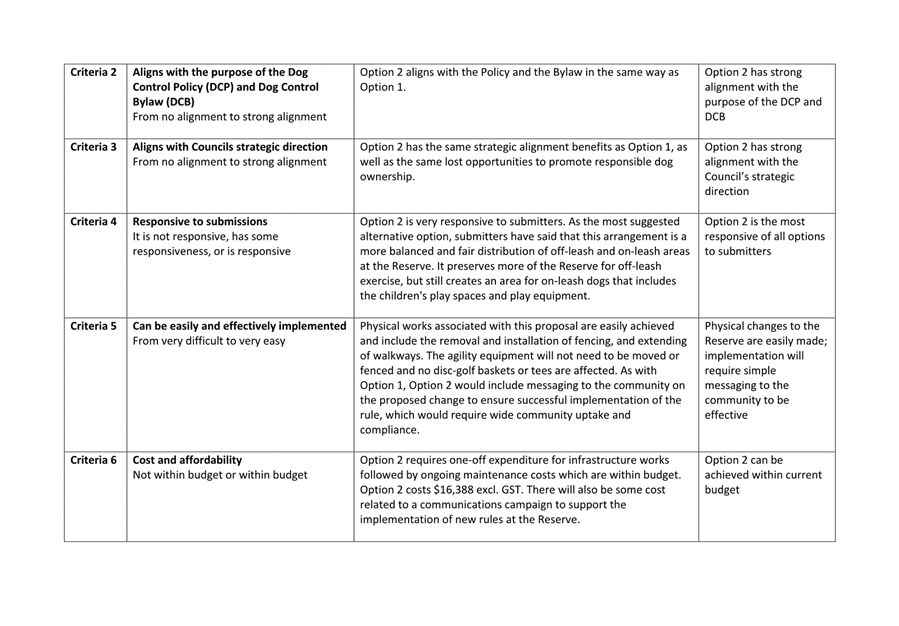
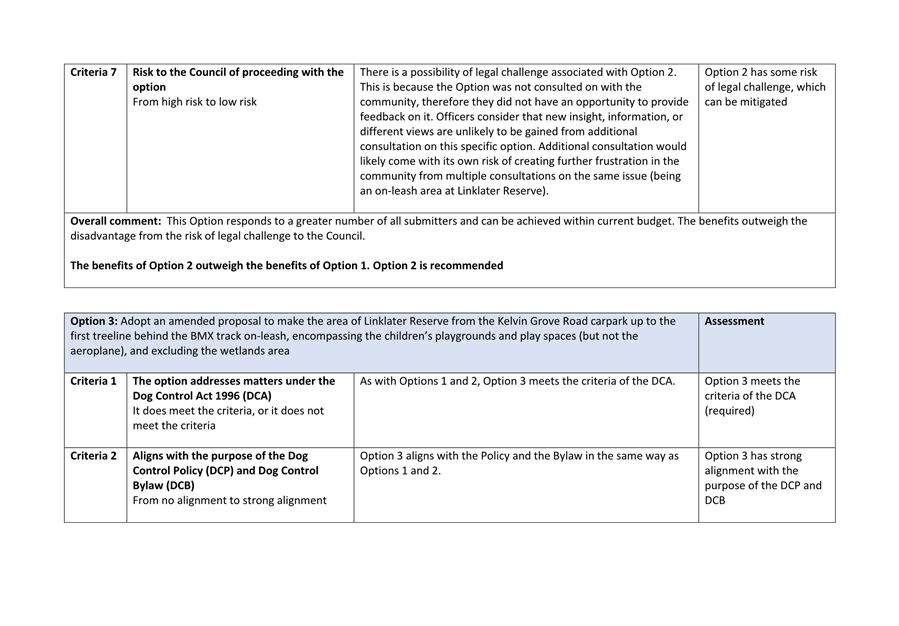
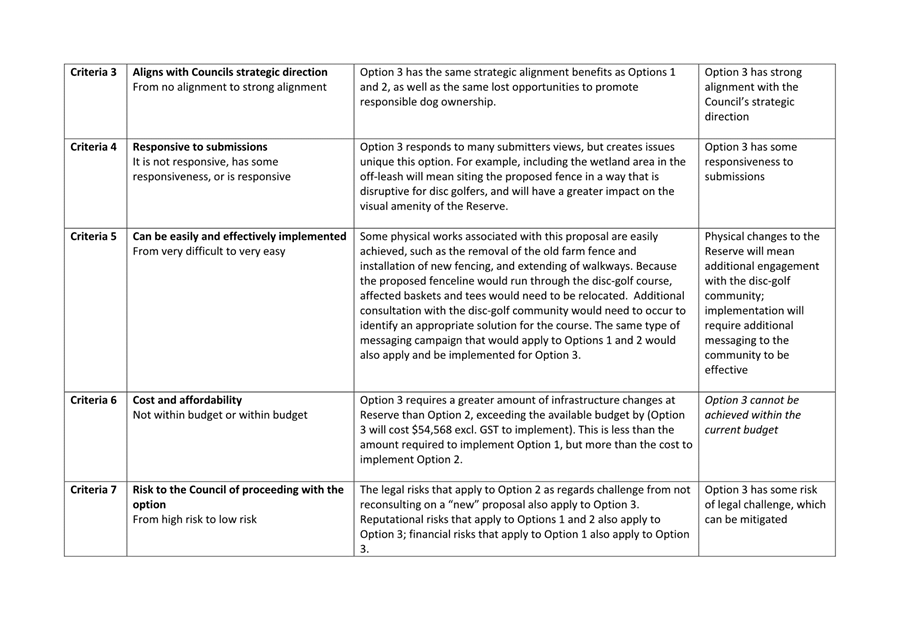
6.2 Table
2 (below) provides a total summary all of the options’ advantages and
disadvantages assessed against the criteria. Based on the analysis, Option 2 is
recommended.
|
|
Criteria 1
Legislative alignment
|
Criteria 2
Policy alignment
|
Criteria 3
Strategic alignment
|
Criteria 4
Responsive to feedback
|
Criteria 5
Easy to implement
|
Criteria 6
Within budget
|
Criteria 7
Risk
|
Recomm-ended option
|
|
Option 1
|
Yes
|
Yes
|
Yes
|
Partial
|
Yes
|
No
|
Low
|
No
|
|
Option 2
|
Yes
|
Yes
|
Yes
|
Yes
|
Yes
|
Yes
|
Low/
medium
|
Yes
|
|
Option 3
|
Yes
|
Yes
|
Yes
|
Partial
|
No
|
No
|
Low/
Medium
|
No
|
|
Option 4
|
Yes
|
Yes
|
Partial
|
Partial
|
Yes
|
No
|
Low
|
No*
|
|
Option 5
|
Partial
|
Partial
|
Partial
|
Partial
|
No
|
No
|
Low/
medium
|
No
|
|
Option 6
|
Partial
|
Partial
|
Partial
|
Partial
|
Yes
|
Yes
|
Low/ medium
|
No
|
Table 2: Summary of options analysis
*If the
Council does not to proceed with Option 2, Option 4 is the next most
proportionate response to submissions received and issues identified when
assessed against the criteria. Option 4 would require some additional budget be
made available.
Option 1:
adopt the proposal with minor adjustments, and make the area of Linklater
Reserve from the Kelvin Grove Road carpark, up to the aeroplane a dogs on-leash
area (described in Figure 2)
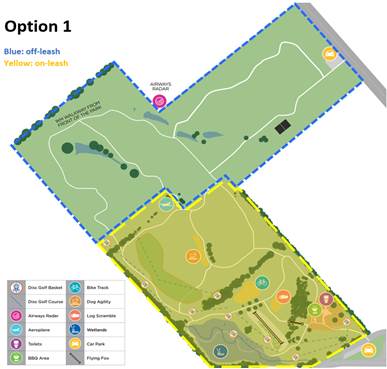
Figure 2: Option
1
6.3 This
is the option that the Council should choose if, considering the submissions
received and information provided in submission analysis, it wants to proceed
with the proposal.
NOTE:
an adjustment to the proposed fence line is suggested in response to
submissions from disc-golf users. The adjustment recommended for Option 1
is to move the fence back approximately 20metres, so that the disc-golf goal 6
basket and goal 7 teepad is not obstructed by the fence and is included in the
on-leash area. This would also encompass the aeroplane in the on-leash
area.
Advantages
of Option 1
6.4 Option 1 supports the
requirements of s.10(4)(a-d) of the DCA by reducing risks posed by uncontrolled
dogs, especially in areas used by children, while still providing significant
space for dog exercise and recreation. The availability of different
access points to the Reserve for the on-leash and off-leash areas further
accommodates users that prefer not to leash or un-leash their dogs when moving
from dog control area to another.
6.5 This option supports the
message that anyone who wants to use the Reserve can do so fairly and safely.
While the Linklater Reserve has a strong identity in the community as a
“dog park”, it has always been intended to be used for a variety of
recreational activities. Option 1 may encourage those who have not previously
used the Reserve, because of concerns about sharing the space with off-leash
dogs, to do so in future.
6.6 Option
1 also has the advantage of correcting a conflict within the Council’s
own Policy which identifies areas where “Children or other vulnerable
people gather or play, and the presence of dogs may pose a risk to their health
and safety” and the areas around children’s playgrounds, as being
prohibited to dogs. The presence of children’s play equipment at the
Reserve, initially installed at the request of the community and Reserve users,
now creates a possible safety issue and Policy conflict. Option 1 corrects this
by putting children’s play spaces and play equipment in an on-leash
area.
NOTE: The advantages which
apply to Option 1 also apply to Option 2 (discussed below).
Disadvantages
of Option 1
6.7 Submitters that do not
support the proposal have highlighted the following disadvantages:
a. It
is a significant reduction in off-leash space at the Reserve, as well as for
the city as a whole
6.8 There are 20 off-leash
areas in the city of varying sizes and amenities, covering 227.44 hectares of
space. Linklater Reserve is roughly 24 hectares; the proposal would make 10 of
these hectares on-leash, which would be around a 5 percent reduction in total
off-leash space across the city, and is considered minimal overall. Attachment
4 provides information on all the dog control areas in
Palmerston North.
b. the
proposed off-leash area has less amenity (the play equipment, toilet, wetlands,
concreted walkways are in the on-leash area) and disadvantages the community
that prefer to walk their dogs off-leash
6.9 The proposal does not
prohibit the dogs from being anywhere in the Reserve, apart from the
children’s play equipment and play spaces, which is a control that
already exists. The amenity of the front area of the Reserve will still be
available to all dogs and owners, provided the dogs are leashed. While
significant development of the back area of the Reserve is limited by the
requirements of the flightpath for Palmerston North Airport, some amenity could
be added – such as seating and connected walkways.
c. submitters
with additional mobility requirements, such as those with disabilities or
parents with a stroller and young children, will find it difficult to use the
Reserve
6.10 Submitters have described
how the facilities at the Reserve, along with being able to have their dog
off-leash, currently supports their accessibility needs. They reference the
features in the front of the Reserve, such as concreted walkways, sloping grass
areas, and more seating options as being especially important. Should the
proposal proceed, many of these submitters state they may not be able to use
the park, as they would be manging their individual accessibility needs as well
as an on-leash dog, which could prove challenging, or in some cases, not
possible.
d. changes
in the rules are unpopular, and are not going to be followed
6.11 There is a real risk that
people will not follow the rules if they are changed. Some submitters have
stated they are not going to follow an on-leash rule. While this sentiment
highlights a genuine risk of non-compliance, it underscores the importance of a
clear communication campaign with the community leading up to the date when any
rule change becomes effective and enforceable. Changes will need to be
accompanied by a robust engagement and education strategy to build
understanding and to ensure that the rationale for the change is transparent,
and that the benefits—both for individuals and the wider
community—are clearly articulated.
e. on-leash
dogs create more safety concerns than off-leash dogs
6.12 The Council does not
capture data about whether dog related incidents are caused by on-leash dogs or
off-leash dogs at Linklater Reserve, or anywhere else in the city. Nor is it
clear if the situations described in submissions are dog vs. dog when both dogs
are on-leash, or when only one dog is on-leash. It is up to owners, and is the
expectation of the Council, that owners ensure their dogs are well socialised,
exercised, and are always under control, whether or not the dog is on a leash
in an on-leash space, or an off-leash space.[4]
f. the
proposed fence line would be disruptive to goal 6 and teepad 7 of the disc-golf
course
6.13 The current arrangement of
the disc-golf course requires players to throw their disc through a line of
trees (or over the top, or along the ground) to get the disc into the basket. A
fence at the proposed location would make it difficult to play this disc-golf
hole, and to tee-off from teepad 7. An adjustment to the proposed fence line is
suggested, which moves the fence back approximately 20 metres, so that the
affected basket and teepad is included in the on-leash area. Moving the
basket and teepad into the on-leash space, and keeping the fence line as
described in the original proposal is also an option.
Resource
requirements and affordability of Option 1
6.14 If option 1 proceeds,
additional budget provision will need to be made available. Option 1 has a cost
to implement of $93,173 excluding GST; the current budget available this year
for work at Linklater Reserve is $30,600.
Implementation
of Option 1
6.15 Implementation
of Option 1 would involve:
a. the
installation of a 300 metre long fence with three self-returning gates for
service vehicle and pedestrian access. As the fence will be constructed within
300 metres of the airways radar, it will need to be constructed in a material
which does not interfere with that radar e.g.: a plastic mesh
b. extending
250 metres of the walkways to make complete loops on either side of the fence
c. fencing
or relocating the agility equipment (includes installing new hard surfaces and
concrete footings)
d. installing
new signage
6.16 The
change in the rule in the Policy and the Bylaw will be timed to commence after
the installation of the proposed fence and additional walkways and is
completed. Messaging about the rule change will be communicated with the
public.
Recommendation
6.17 Option 1 has some benefits which have been noted above. These
benefits are tempered by the disadvantage of not being able to afford the proposal,
and do not outweigh the benefits of Option 2 or Option 4.
6.18 Option
1 is not recommended.
Option 2:
adopt an amended proposal which makes the area from the Kelvin Grove Road
carpark up to the first treeline behind the BMX track on-leash, encompassing
the wetlands area and the children’s playgrounds and play spaces (but not
the aeroplane) (described in Figure 3)
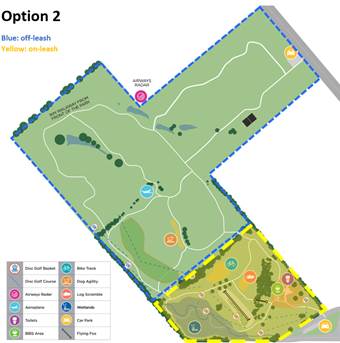
Figure 3: Option 2
6.19 This
is the option that the Council should choose if, considering the submissions
received and information provided in the submission analysis in Attachment
1 and Attachment 2, it wants to amend its proposal to
keep more of the Reserve off-leash than was proposed, but retain a generous
on-leash area at Linklater Reserve.
Advantages
of Option 2
6.20 Option
2 has the same advantages as Option 1 related to legislative compliance, and
encouraging fair and safe access of the community to the Reserve. In addition
to the advantages it shares with Option 1, Option 2 has further advantages.
6.21 The
significant advantage of this Option is that it is the most responsive of the
options to community feedback. It is the most common alternative
suggestion/compromise offered by submitters, other than not changing the rules
at all. It addresses the concerns of those who described the proposal as
being unbalanced, unnecessary, or too far-reaching by reducing the proposed
on-leash area and preserving more off-leash space.
6.22 This
Option also has the benefit of being able to be met within current budgets, as
less fencing will need to be installed, fewer walkways extended, and the
agility equipment can remain in its current location.
Disadvantages
of Option 2
6.23 Option
2 has many of the same disadvantages as Option 1. Though a greater space for
off-leash dog exercise is retained, the concerns highlighted by dog-owners with
accessibility or mobility requirements that cannot be met in an on-leash area
still apply here. Similarly the concerns of dog-owners who feel on-leash only
access to the wetland area is detrimental to their experience in the Reserve,
still apply to this option. Conversely, there are those with mobility issues
who feel an on-leash area greatly improves their access (real or perceived) to
the Reserve.
6.24 Option
2 carries a higher risk of legal challenge than Option 1 because the Council
did not consult the community on this, and it differs to Option 1. Though
additional consultation could mitigate this risk, officers advise that as the
community’s views are already well understood following early engagement
and consultation, further consultation is unlikely to yield new insight, or
return a significantly different consultation response.
6.25 Additional
consultation also risks causing more frustration among submitters as the
process is further drawn out. If the Council agrees that it understands the
views of the community based on the feedback it already has, then it could make
a decision that progresses Option 2.
Resource
requirements and affordability of Option 2
6.26 Option
2 will cost $16,388 excluding GST to implement and can be accommodated within
current budgets. Initial infrastructure changes at the Reserve will be
required, however this option needs little ongoing intervention other than
maintenance of the physical assets.
Implementation
of Option 2
6.27 Implementation
of Option 2 would involve:
a) removing
the old farm fence which is located at the pine tree line
b) installing
a new 1.5 metre high fence (roughly 290 metres long) with four self-returning
gates for pedestrian and service vehicle access. One of these gates will be
located near the goal 7 disc-golf basket
c) installing
new signage
6.28 Should
Council adopt this option, the change in the rule in the Policy and the Bylaw
will be timed to commence after the installation of the proposed fence and
additional walkways and is completed. Messaging about the rule change will be
communicated with the public.
Recommendation
6.29 Option
2 is a more balanced solution that reflects community feedback. It retains most
of Linklater Reserve as an off-leash area for dogs, while introducing a clearly
defined on-leash space to accommodate others who prefer a controlled
environment. This approach promotes shared use, reduces user conflict, and
incorporates key community suggestions—such as keeping agility equipment
in the off-leash area, thereby reducing the cost of moving it. While there may
be legal risks, reconsulting the community could also harm the Council’s
reputation.
6.30 Option
2 is recommended.
Option 3:
adopt an amended proposal to make the area of Linklater Reserve from the
Kelvin Grove Road carpark up to the first treeline behind the BMX track
on-leash, encompassing the children’s playgrounds and play spaces (but
not the aeroplane), and excluding the wetlands area (described in Figure 4)
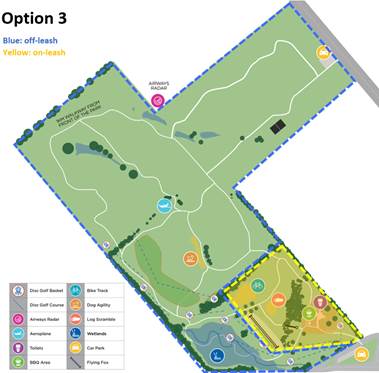
Figure 4: Option 3
6.31 This
is the option that the Council should choose if, considering the submissions
received and information provided in the submission analysis (attachments
1 and 2), it wants to amend its proposal, keeping most of the Reserve
for off-leash exercise. The off-leash area will include the wetland and
the slope to the front of the Reserve that was highlighted as particularly
valuable for dogs and those with mobility needs, but keeps most of the children’s
play spaces and the main entrances in an on-leash control area.
Advantages
of Option 3
6.32 The
advantages for Option 3 are the same as those for Options 1 and 2 related to
legislative compliance and encouraging fair and safe access of the community to
the Reserve.
6.33 Option
3 offers several benefits that align with community feedback, retaining many of
the practical uses of the Reserve for dogs off-leash exercise. The wetland will
continue to be accessible to off-leash dogs so they can use the water freely,
without requiring their owners to enter the water themselves, which would be
impractical and potentially unsafe.
6.34 Similarly,
submitters have noted that the wetland is not a safe area for small children
due to the risk of falling into water or swampy terrain, making it unsuitable
for inclusion in an on-leash space. Option 3 therefore supports both dog
recreation and public safety, while reflecting the preferences of many Reserve
users.
6.35 Officers
would work to position the proposed fence and new footpaths to better support
individuals with mobility and accessibility concerns, specifically retaining
the hill at the front of the Reserve within the off-leash area.
Disadvantages
of Option 3
6.36 Option
3 presents significant disadvantages for the disc-golf course, which is a
well-used free-to-access facility in the region.[5]
If Option 3 proceeds, the course will need to be reconfigured with input from
the disc-golfing community, requiring relocation of several baskets and
teepads.
6.37 Submitters
that value the natural aesthetic and amenity of the Reserve have indicated they
prefer not to install fences as this would be disruptive for the overall
“feel” of the park. A fence, as described in Option 3, will be
clearly visible and from certain vantages may have a disruptive visual
effect. Comparatively, the placement of the fence in Option 2 would have
a negligible effect.
6.38 The
same risk and risk assessment that is applied to Option 2, as regards legal
challenge from proceeding without additional consultation on a different option
than what was proposed, also applies to Option 3.
Resource
requirements and affordability of Option 3
6.39 Option
3 requires approximately $54,368 excluding GST to implement and exceeds current
budgets. The exact location of the proposed fence in Option 3 will
determine which disc-golf baskets and teepads require relocating.
Implementation
of Option 3
6.40 Implementation
of Option 3 would involve:
a) removing
the old farm fence which is located at the pine tree line
b) installing
a new 1.5m high fence (roughly 500m long) with six self-returning gates for pedestrian
and service vehicle access. One of these gates will be located near the goal 7
disc-golf goal
c) extending
220m of walkways to make complete loops on either side of the fence
d) installing
new signage
e) reconfiguring
the disc-golf course.
6.41 The
change in the rule in the Policy and the Bylaw will be timed to commence after
the installation of the proposed fence and additional walkways and is
completed. Messaging about the rule change will be communicated with the
public.
Recommendation
6.42 Option
3 could proceed if the Council wishes to maintain more of the Reserve for
off-leash dog recreation and keep areas at higher risk from uncontrolled dogs,
such as the playground and play equipment as well as the entranceway to the
Reserve, on-leash. It offers clear benefits in terms of dog wellbeing and
exercise (therefore encouraging responsible dog ownership), as well as
supporting those with accessibility concerns.
6.43 However
the benefits of Option 3 do not outweigh its disadvantage from
the disruption to the disc-golf course and visual amenity of the park, the
unaffordability of the option. The benefits of Option 3 outweigh those of
Option 1, but not of Option 2.
6.44 Option
3 is not recommended.
Option 4:
not proceed with the proposal and instead fence some or all of the
playground equipment at Linklater Reserve. The whole of Linklater Reserve will
remain a dogs off-leash exercise area (described in Figure 5)
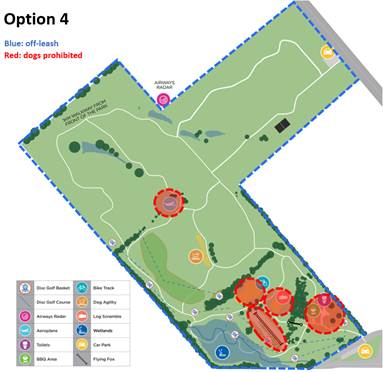
Figure 5: Option 4
6.45 This
is the Option that the Council should choose if wants to maintain the current
off-leash status across the whole Reserve, and ensure the areas which are more
sensitive to the adverse effects of uncontrolled off-leash dogs are made safer
for users. This option does not require any changes be made to the Policy or
the Bylaw as dogs are already prohibited from children’s play spaces, and
fencing would clarify this existing control.
Advantages
of Option 4
6.46 The
primary advantage to be gained from this option is that it responds to the
majority of submitters by keeping the entire Reserve as an off-leash dog
exercise area, while also addressing some of the specific safety concerns that
have been raised related to the children’s play spaces and play equipment.
6.47 Submitters
note this would be a fair and reasonable compromise. The reasons given include
that it preserves the current level of recreation amenity for dog owners which
is unique to Linklater Reserve, it continues to address the needs of those with
greater mobility or accessibility requirements, avoids disruption to the
disc-golf course, and also affords assurance for vulnerable members in the
community by fencing children’s play equipment. By introducing physical
barriers, this option will resolve the conflict created by the Council’s
own Policy with regard to dogs not being permitted on or near
children’s play spaces, or generally off-leash in areas which are more
likely to be frequented by children.
6.48 More broadly, given there are few public playgrounds (i.e. not
school playgrounds) in the city which are completely fenced, Option 4 creates
an additional option for this type of facility.
6.49 Option
4 also avoids the complexities associated with a change in rules. Constructing
fences around some or all the children’s play equipment is an easily
implemented and self-explaining method to achieve the goals of the proposal,
and supports the existing controls.
Disadvantages
of Option 4
6.50 While
this option is seen as a fair compromise by many submitters, it does not fully
resolve concerns about uncontrolled off-leash dog behaviour throughout the
Reserve. Fencing the playground addresses safety around children's play spaces,
but it does not mitigate risks in other areas of the park. This is likely to be
particularly disappointing for those who prefer an on-leash area be
implemented, so that they can utilise areas of the Reserve for general
recreation without feeling intimidated or unsafe around uncontrolled off-leash
dogs.
6.51 Because
this option relies on physical infrastructure alone it is likely to have an
immediate and location specific positive impact, but limits the potential to
encourage responsible dog ownership by reinforcing the expected behaviours for
dogs and people in our shared spaces elsewhere in the city.
6.52 In
terms of visual amenity, though fencing is relatively easy to implement, it
will alter the “feel” of the Reserve and be inconsistent with its
open, rural character (in contrast to Option 2, where the visual impact of a
single fence would be negligible, given its position within a treeline where a
fence already exists). Careful design and placement of the fencing for Option 4
will ensure as much disruption to the visual amenity of the Reserve is able to
be mitigated.
Resource
requirements and affordability of Option 3
6.53 Option
4 will require budget of approximately $51,681 excluding GST, which exceeds
current budget provision.
Implementation
of Option 4
6.54 Implementation
of Option 4 would involve the fencing of some, or all of, the following
children’s playgrounds and play spaces, and other Reserve amenities:
a) swing
set
b) picnic
tables and BBQ
c) flying
fox
d) log
scramble
e) BMX
track
f) aeroplane
g) constructing
an alternate path for dog walkers to access the toilet facility
6.55 New
instructional signage would also be installed to provide additional information
to park users, specifically about expectations for off-leash dogs and
responsible dog-owners, as well as reporting of dog-related incidents.
Recommendation
6.56 Option
4 retains the entire Reserve as an off-leash area, while improving safety
around children’s play spaces. It supports responsible dog ownership at
the Reserve by providing space for dogs and their owners to socialise and
exercise, maintains accessibility, avoids disrupting the disc-golf course, and
aligns with Council obligations under the Dog Control Act. It’s simple to
implement and is generally supported.
6.57 However,
Option 4 is less beneficial than Option 2, as it doesn’t fully address
concerns about uncontrolled dogs or the comfort of general users. If Option 2
is not pursued, Option 4 is the next best alternative, offering a practical
compromise without requiring rule changes. Additional budget would need to be
made available.
6.58 Option
4 is not recommended.
Option 5:
not proceed with the proposal and consider
additional regulatory or non-regulatory methods to address issues at Linklater
Reserve related to safety, amenity, and access. The whole of Linklater Reserve will
remain a dogs off-leash exercise area (described in Figure 6),
except for the children’s playgrounds and play spaces which are
prohibited to dogs.
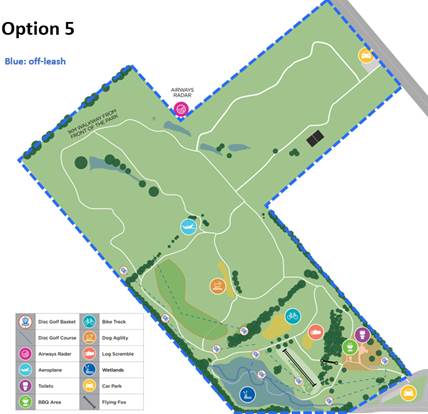
Figure 6: Option 5
6.59 This
is the Option the Council should choose if it determines that the issues at
Linklater Reserve would be better resolved by implementing additional
regulatory and non-regulatory methods, such as an increased presence of Animal
Management Officers.
Advantages
of Option 5
6.60 This
option is responsive to the suggestions of submitters that prefer the Council
focus on ensuring greater compliance by encouraging responsible ownership and
providing more dog owner education. The main advantage of this option is that
it is likely to have positive and ongoing benefits across the whole of the
city, not just at Linklater Reserve.
6.61 Many
submitters have stated that they feel the proposal unfairly punishes good dog
owners for the actions of the few irresponsible dog owners that occasionally
use the Reserve. Option 5 addresses the concerns of these submitters and
retains the current off-leash arrangements while still responding to concerns
about dog behaviour and safety. It also avoids the potential disruption to
other Reserve activities (like disc-golf) and the amenity impacts associated
with fencing.
6.62 Additionally,
it provides flexibility to target enforcement and education efforts where
needed, without altering the Reserve’s layout or on-leash and off-leash
rules.
Disadvantages
of Option 5
6.63 Option
5 has several significant disadvantages that limit its achievability and
effectiveness. Increasing the presence of Animal Management Officers at
Linklater Reserve, or requiring additional dog-owner education activities be
provided without further resources, would negatively impact current levels of
service (LOS) for the animal management activity across the city.
6.64 This
could lead to slower response times for the Animal Management Team, backlogs in
investigations, and reduced attention to lower-priority complaints such as
barking dogs, lost dogs, and park patrols at other locations. Redirecting
resources to the Reserve may also result in decreased public satisfaction from
reduced responsiveness elsewhere.
6.65 Feedback
from some submitters has criticised increased spending by the Council in
general, as well as for the proposal at Linklater Reserve. Option 5 is
therefore unresponsive to these views, as the costs of implementation will be
high and ongoing. Given these limitations, Option 5 is likely to be less
sustainable and effective than alternatives that involve physical changes to
the Reserve, or adjustments to dog access rules.
Resource
requirements and affordability of Option 5
6.66 There
are resourcing and financial implications for Option 5 which cannot be met
within current budgets and resource availability. The immediate outcome of
proceeding with Option 5 is that the Animal Management Team will need
additional resource, or to drop the current level of service agreed to with the
community through the Long Term Plan.
Implementation
of Option 5
The implementation of Option 5 would
require detailed discussions about the current prioritisation and levels of
service for the animal management activity, which are outside of scope
for this consultation process.
Recommendation
6.67 Option
5 has many potential enduring benefits, but the challenges and disadvantages
related to implementation and affordability are significant. This is due
to the nature of the requested interventions, which would have immediate and
ongoing implications for staffing, resourcing, and prioritisation within the
activity.
6.68 If
Option 5 is preferred by the Council, further decisions will need to be made
through a different process (likely the Long Term Plan process) to achieve the
expected benefits.
6.69 Option
5 is not recommended.
Option 6:
not proceed with the proposal and maintain status quo
6.70 This
is the option that the Council should choose if it determines that the issues
related to uncontrolled off-leash dogs at the Reserve do not require a change
in the rules to address them. This option retains the current controls and
levels of service at Linklater Reserve.
Advantages
of Option 6
6.71 Option
6 is advantageous if Council determines that the current issues at Linklater
Reserve—particularly those related to uncontrolled off-leash
dogs—can be managed without changing the existing rules. This option
retains all current controls and levels of service, avoiding disruption to
Reserve users who are satisfied with the current off-leash arrangements. It
also maintains consistency in enforcement and avoids the need for additional
consultation, infrastructure changes (such as fencing), or reallocation of
resources – either by way of budgets or officer time. By preserving the
status quo, Council can continue to monitor and respond to issues through
existing mechanisms. The current dogs off-leash space across Palmerston North
is not reduced, which may also have an advantage as the city continues to grow.
6.72 Proceeding
with this Option does not prevent the Council from making a different decision
about the rules at Linklater Reserve in future, and consulting with the
community on those.
Disadvantages
of Option 6
6.73 Option
6 has some disadvantages. Though it maintains the current off-leash rules and
levels of service at Linklater Reserve, it may not adequately address the
concerns raised about uncontrolled dogs causing safety concerns for the
community in the park. By choosing not to make any changes, Council risks
leaving issues that have been highlighted through community feedback
unresolved, and not meeting the expectations of those submitters who do support
having an on-leash area (in contrast to Options 1, 2, and 3 that all provide a
designated on-leash control area). There is risk that the same issues and
concerns already identified persist, when no action is taken or remedy
provided.
Resource
requirements and affordability of Option 6
6.74 There
are no financial implications to note regarding Option 6. The Council
will continue with its current controls and service levels for managing this as
an off-leash dogs at Linklater Reserve.
Implementation
of Option 6
6.75 There
are no significant implementation actions to note regarding Option 6. Option 6
means that this process stops here. All submitters will be notified of the
outcome and what it will mean for their use and experience of the Reserve going
forward.
6.76 Officers
suggest that if Option 6 is preferred, additional instructional signage would
still benefit all users of the Reserve by clarifying the expectations for
off-leash dogs, encouraging responsible ownership, as well as reporting of
incidents.
Recommendation
6.77 This
option is recommended if Council, having considered all the views presented in
submissions, chooses not to proceed with making any changes to the off-leash
rules at Linklater Reserve.
6.78 Option
6 would support a majority of the total submission feedback, but does not
address many of the issues raised, and could be perceived as a lack of
responsiveness if those issues persist. If Council proceeds with Option 6,
continued monitoring and engagement with Reserve users will be important to
ensure that any emerging challenges are identified and addressed through
existing mechanisms.
6.79 Option
6 is not recommended
7. Conclusion
7.1 Having
considered the options it has to proceed, the Council should either adopt the
proposal (Option 1 with minor adjustments), adopt an amended proposal (Options
2 or 3), or not adopt the proposal (Option 4, 5, or 6).
8. Next actions
8.1 Next
actions will be determined by the preferred option of the Council.
Implementation for each option has been described in Section 6 of this
report.
8.2 If
the Council proceeds with Option 1, 2, or 3, another report will be prepared
for the next Council to adopt the finalised wording and controls in the Policy
and Bylaw.
8.3 If
the Council proceeds with Option 4, 5, or 6 this process ends here. As no
change to the Policy or the Bylaw is required, no additional report will need
to be required. If Option 4 proceeds, additional budget will be required for
infrastructure changes at the Reserve.
8.4 For
all options, submitters will be contacted with information about the status of
the consultation and the next steps.
9. Outline of community engagement process
9.1 Council
completed early engagement and consultation with the community. Consultation
material and messaging was shared widely, using a variety of methods to ensure
as many people as possible with an interest in the proposal were aware of their
opportunity to share their views with the Council.
9.2 Key
consultation activities included printed copies of the Statement of Proposal
with hardcopy submission forms being made available from the Customer Service
Centre, as well as all Council libraries. A consultation page that
explained the proposal of Council, information about how people could get in
touch as well as an online submission form were published on the
Council’s website. Consultation information was also shared through the
Council’s social media channels, direct email, posters, signage, radio
interviews, as well as at two community drop-in sessions.
9.3 A
detailed description of consultation and engagement activity for this process
is attached to this report (Attachment 3).
10. Compliance and administration
|
Does the Council have delegated
authority to decide?
|
Yes
|
|
Are the decisions significant?
|
No
|
|
If they are significant do they
affect land or a body of water?
|
No
|
|
Can this decision only be made
through a 10 Year Plan?
|
No
|
|
Does this decision require
consultation through the Special Consultative procedure?
|
No
|
|
Is there funding in the current
Annual Plan for these objectives?
|
Yes
|
|
Are the recommendations
inconsistent with any of Council’s policies or plans?
|
No
|
|
The recommendations contribute
to:
Whāinga 3: He hapori tūhonohono, he hapori
haumaru
Goal 3: A connected and safe community
|
|
The recommendations contribute to this
plan:
9. Mahere
haumaru hapori, hauora hapori
9. Community
Safety and Health Plan
|
|
Contribution to strategic
direction and to social, economic, environmental and cultural well-being
|
The
Community Safety and Health Plan describes Council’s commitment to the
delivery of information, education and enforcement of regulatory policy,
including the Dog Control Policy and Bylaw.
|
|
|
|
Attachments
|
1.
|
Analysis of submissions -
proposed Linklater Reserve on-leash area ⇩ 
|
|
|
2.
|
Assessment criteria and analysis
– proposed Linklater Reserve on-leash area ⇩ 
|
|
|
3.
|
Consultation activities -
proposed Linklater Reserve on-leash area ⇩ 
|
|
|
4.
|
Dog control areas across
Palmerston North ⇩
|
|
Memorandum
TO: Council
MEETING DATE: 8
October 2025
TITLE: Manawatū
Regional Freight Ring Road - Accelerated Project Timeline
Presented
By: James
Miguel, Senior Transport Planner
APPROVED BY: David
Murphy, General Manager Strategic Planning
RECOMMENDATIONS TO
Council
1. That Council approve $189,000 of
unbudgeted operational expenditure (professional services) in the 2025/26
financial year to complete the Manawatū Regional Freight Ring Road
Indicative Business Case by 1 October 2026, based on the updated project
timeline included as Attachment 1.
2. The Council increase the cap on
the professional services budget in the 2025/26 financial year by $189,000.
3. That Council note that 2026/27
budget for the Manawatū Regional Freight Ring Road will be adjusted as
part of the 2026/27 Annual Budget process.
1. ISSUE
1.1 Officers
presented a report to the Economic Growth Committee on 27 August 2025,
providing an update on the Manawatū Regional Freight Ring Road Indicative
Business Case. Following consideration of this report, the Committee passed the
following resolution:
That the Chief Executive
report back to Council as soon as possible around having a draft business case
ready for advocating at Central Government Elections – Oct 2026.
2. BACKGROUND
2.1 Through the
Long-Term Plan, Council agreed to fund the Manawatū Regional Freight Ring
Road Indicative Business Case (“the Business Case”). The budget was
split across Years 1, 2 and 3 to reduce the impact that it would have on rates.
The original budget had assumed 51% co-funding from the New Zealand Transport
Agency (NZTA).
2.2 When the
National Land Transport Programme was released and co-funding from NZTA was not
secured, Council agreed on 6
November 2024 to fully fund the Business Case by combining a series of
transport planning (opex) budgets, as detailed in Table 1 below.
Table 1: Manawatū
Regional Freight Ring Road Indicative Business Case budget, as confirmed on 6
November 2024
|
Year 1 (FY
24/25)
|
Year 2 (FY
25/26)
|
Year 3 (FY
26/27)
|
|
$100,000
|
$380,000
|
$662,000
|
2.3 The $100,000 in
Year 1 enabled the project to commence by undertaking a series of preliminary
investigations, including starting the strategic case that is required as part
of the Business Case. The $380,000 for Year 2 was confirmed as part of the
2025/26 Annual Budget. The budget for Year 3 will be adjusted accordingly as
part of the 2026/27 Annual Budget as $662,000 will not be required to complete
the Business Case.
2.4 In year 1, the
$100,000 was used to undertake the following tasks:
· Preliminary Geotechnical
Assessment Report for potential downstream bridge locations.
· Project scoping
and procurement support. Includes the initial Investment logic mapping and
Strategic Case work.
· Transport
modelling to support NZIER economic reporting on Te Utanganui and initial
business case modelling.
2.5 Following a
thorough procurement process, GHD were appointed to undertake the Business
Case. An 18-month project timeline was agreed, starting 1 July 2025 and
finishing December 2026.
2.6 The total cost
of the GHD contract to deliver the Business Case is $670,127 (this excludes the
$100,000 project costs incurred in Year 1. A further $40,000-$50,000 will also
be required for peer reviewing the business case and supporting traffic
modelling. These costs will be spread across Years 2 and 3.
2.7 It is forecast
that in Year 2 a total budget of $569,000 will be required to progress the
Business Case. In Year 3 the total budget to complete the business case is
forecast to be $152,000. These amounts do not allow for any contingency.
2.8 While the
difference between the two project timelines included in Attachment 1 totals
$104,000 for 2025/26, an additional $189,000 is required to cover work not
originally budgeted in the 2025/26 year, and a component of the $40,000-$50,000
required for peer reviewing and supporting traffic modelling across Years 2 and
3.
3. Discussion
3.1 Following the
direction provided by the Economic Growth Committee on 27 August 2025, the
project team developed a new timeline that would see the project completed by 1
October 2026 (as opposed to December 2026). Attachment 1 shows the revised
project timeline against the original timeline.
3.2 The main driver
for the accelerated project timeline was to enable the Council to advocate for
the project in the lead up to the General Election in October 2026. While the
accelerated project timeframe has the project being completed by 1 October
2026, key outputs, including the preferred option & road alignment, will be
available prior to 1 October 2026 to assist with advocacy work in the lead-up
to the election.
3.3 Accelerating the
project timeline further than that detailed in Attachment 1 is not possible due
to the capacity of the project team. It will also increase risks to the Business
Case, e.g. unauthentic community engagement or not allowing time for NZTA
review and assurance processes.
3.4 The proposed
changes do not reduce the amount of time needed for each task, instead the
revised timeline has more tasks being undertaken concurrently. This means that
more tasks have been brought forward from Year 3 into Year 2.
3.5 The impact of
the accelerated timeline is that more funding will be required in Year 2
compared to Year 3. The new timeline will require additional budget allocation
from September 2025 to March 2026. This will then change from May 2026 onwards,
when less funding will be needed to complete the project. The details for these
changes can be seen in Attachment 2.
3.6 The total budget
required to be brought forward from Year 3 into Year 2 is forecast to be
$189,000.
3.7 The existing
programme was developed to deliver the business case as quickly as possible
within current budget allocations. In the event, the accelerated timeframe and
additional budget is not approved, given the current pressure on the
professional services budget, at this stage it is anticipated the original
programme and timeframe will need to be slowed down to remain within existing
professional services budgets.
4. NEXT
STEPS
4.1 Work will
continue to progress the Business Case under the revised project timeline.
4.2 We will seek to
confirm the remaining budget for Year 3 through the Annual Budget process.
5. Compliance
and administration
|
Are the decisions significant?
|
No
|
|
If they are significant do they
affect land or a body of water?
|
No
|
|
Can this decision only be made
through a 10 Year Plan?
|
No
|
|
Does this decision require consultation
through the Special Consultative procedure?
|
No
|
|
Is there funding in the current
Annual Plan for these objectives?
|
Yes
|
|
Are the recommendations
inconsistent with any of Council’s policies or plans?
|
No
|
|
The recommendations contribute
to:
Whāinga 3: He hapori tūhonohono, he hapori
haumaru
Goal 3: A connected and safe community
|
|
The recommendations contribute to this
plan:
3. Mahere tūnuku
3. Transport Plan
The objective is: Provide a safe, low-carbon, integrated,
and multi-modal transport network
|
|
Contribution to strategic
direction and to social, economic, environmental and cultural well-being
|
This project will support the
development of the Manawatū Regional Freight Ring Road, which will help
to move heavy freight vehicles off city streets.
|
|
|
|
Attachments
|
1.
|
Manawatū Regional Freight
Ring Road Revised Timeline ⇩
|
|
|
2.
|
Manawatū Regional Freight
Ring Road Revised Timeline Forecast ⇩
|
|
Report
TO: Council
MEETING DATE: 8
October 2025
TITLE: Aokautere
Business Case: Funding Options
PRESENTED BY: James
Miguel, Senior Transport Planner and Waheed Ahmed, Principal Transport Planner
Operations
APPROVED BY: David
Murphy, General Manager Strategic Planning
Glen O'Connor, Acting General Manager
Infrastructure
RECOMMENDATIONS TO
Council
1. That Council
approve up to $400,000 of unbudgeted operational expenditure (professional
services) in the 2025/26 financial year to complete the Aokautere Business Case
(Option 1).
2. That
Council increase the cap on the professional services budget in the 2025/26
financial year by $400,000.
Summary of
options analysis for
|
Problem or
Opportunity
|
Capacity constraints and safety
issues at intersections on State Highway 57 (SH 57) in Aokautere are limiting
residential growth. New Zealand Transport Agency Waka Kothi (NZTA) has
provided written approval for a small residential subdivision. NZTA has
advised that further subdivision is conditional on key intersections being
upgraded. Council recently reallocated capital expenditure to resolve the
most immediate issues. NZTA has asked Council to complete a business case
before proceeding with any intersection upgrades. There is currently no Council
funding allocated to undertake the business case, and no-co-funding available
from NZTA.
|
|
OPTION 1:
|
Approve
unbudgeted expenditure (professional services) in 2025/26 to complete the
Aokautere Business Case.
|
|
Community Views
|
Community
Views were received as part of District Plan Change G Aokautere Residential
Growth. Submissions, including from NZTA, raised concerns about safety,
particularly for cyclists and pedestrians, as well as congestion around key
intersections.
|
|
Benefits
|
The business case can be
completed in 2025/26 to inform intersection upgrades on SH 57 and enable
further residential subdivision at Aokautere.
|
|
Risks
|
This option has a short
timeframe for delivery. There is a risk the work is not completed in 2025/26
and will need to be partially funded in 2026/27. Internal resourcing will be
tested as Council has also sought to accelerate the Manawatū Regional
Freight Ring Road business case in 2025/26.
|
|
Financial
|
Unbudgeted expenditure is
required because the business case is unable to be accommodated through
existing professional services budgets. Co-funding is not available from
NZTA.
|
|
OPTION 2:
|
Refer the
Aokautere Business Case to the 2026/27 Annual Budget.
|
|
Community Views
|
Community Views were received
as part of District Plan Change G Aokautere Residential Growth. Submissions,
including from NZTA, raised concerns about safety, particularly for cyclists
and pedestrians, as well as congestion around key intersections.
|
|
Benefits
|
If budget is approved as part
of the 2026/27 Annual Budget, the business case can be completed to inform
intersection upgrades on SH 57 and enable further residential subdivision at
Aokautere.
|
|
Risks
|
Further delays and uncertainty
in enabling residential subdivision at Aokautere, in addition to the process
related delays associated with Option 1.
|
|
Financial
|
Will require reallocation of
existing budgets or new budget allocation as part of the 2026/27 Annual
budget process. Co-funding is not available from NZTA.
|
|
OPTION 3:
|
Refer the Aokautere
Business Case to the 2027 Long Term Plan and Regional Land Transport Plan /
National Land Transport Plan processes.
|
|
Community Views
|
Community Views were received
as part of District Plan Change G Aokautere Residential Growth. Submissions,
including NZTA, raised concerns about safety, particularly for cyclists and
pedestrians, as well as congestion around key intersections.
|
|
Benefits
|
If budget is approved as part
of the 2027 Long Term Plan, the business case can be completed to inform
intersection upgrades on SH 57 and enable further residential subdivision at
Aokautere.
|
|
Risks
|
Further delays and uncertainty in
enabling residential subdivision at Aokautere, in addition to the process
related delays associated with Option 1 and 2.
|
|
Financial
|
Will require budget allocation
as part of the 2027 Long Term Plan. Subject to the Regional
Land Transport Plan and National Land Transport Plan process, co-funding may
be available from NZTA.
|
Rationale for the recommendations
1. Overview
of the problem or opportunity
1.1 In May 2024, the
hearing panel for District Plan Change G: Aokautere Urban Growth released its
decision approving the Plan Change. The decision requires NZTA to provide
written approval for subdivision and development because of capacity and safety
concerns associated with key intersections on SHS 57.
1.2 Council has
received several residential subdivision consent applications in the Aokautere
area for which NZTA is an affected party. Due to traffic effects on SH 57, NZTA
has only approved one small subdivision.
1.3 NZTA are willing
to support further subdivision and development at Aokautere provided specific
intersections are upgraded. Council recently reallocated an existing capital
programme to provide funding for the priority intersection upgrades. NZTA has
advised Council that a business case is required before any intersection
upgrades can be completed. The business case will confirm the problem and
identify the most effective form of intervention.
2. Background
and previous council decisions
2.1 Since the
hearing panel released its decision for District Plan Change G: Aokautere Urban
Growth, Council has received three subdivision consents in Aokautere. A 9-lot
application from Brian Green Property, a 46-lot application from Terra Civil
and another 6-lot application from Brian Green Property.
2.2 Following
traffic Impact assessments of the transport network, it was identified that the
intersection of Old West Road / Summerhill Drive / Aokautere Drive was at
capacity and could only support a limited amount of further growth.
2.3 Based on the
impact and timing of the subdivisions, NZTA has agreed to the 9-lot
subdivision. However, the remaining two subdivisions cannot proceed until the Old
West Rd / Summerhill Dr / Aokautere Dr intersection has been upgraded.
2.4 District Plan
Change G enables significantly more residential growth than that included in
the current subdivision applications. Traffic assessments completed as part of
District Plan Change G and recent subdivision applications have identified that
this growth will trigger the need for further intersection upgrades in the
wider Summerhill / Aokautere area.
2.5 While the
current subdivisions are acting as the trigger for the intersection upgrades
and the business case, residential growth in the wider Aokautere / Summerhill
area over the last three decades has contributed to the need for the upgrades.
2.6 As part of the Annual
Budget deliberations on 14 May 2025, Council agreed to reallocate budget
from capital programme 1003 ‘Whakarongo Intersection Safety
Upgrade’ to be used for intersection upgrades in Aokautere (and Whakarongo).
This decision was intended to ensure Council was able to fund the
necessary intersection upgrades and approve the residential subdivisions.
2.7 The 14 May 2025
officer report noted that NZTA approval would still be required for any
intersection upgrades on the State Highway network.
2.8 Following the
reallocation of capital programmes as part of the 2025/26 Annual Budget,
Council officers engaged with NZTA regarding the prioritisation and design of
the intersection upgrades at Aokautere. The need for the business case was
confirmed by NZTA as part of these discussions.
2.9 Council included
an Aokautere Business Case in Year 3 (2026/27) of the 2024 Long Term Plan and
put it forward for co-funding within the National Land Transport Plan (NLTP).
The Council contribution for the business case was reallocated to the
Manawatū Regional Freight Ring Road business case when it did not receive
co-funding from NZTA within the NLTP.
2.10 NZTA are willing to work
with Council and the developers to help progress the subdivision consents, but
NZTA have no current funding to assist with the business case or the
intersection upgrades.
2.11 The
recommendation is to approve up to $400,000 to complete the business case. If
the recommendation is passed, officers will seek to meet the business case
requirements of NZTA in the most cost-effective way possible to minimise the
total cost to Council.
3. Description
AND ANALYSIS of options
3.1 Option 1: Approve
unbudgeted expenditure (professional services) in 2025/26 to complete the
Aokautere Business Case – This option would enable the business
case to be completed in 2025/26 to inform the intersection upgrades and enable
residential subdivisions to be approved, conditional on the upgrades being
delivered. This option also supports Council delivering the capital budgets
that have been reallocated to support the intersection upgrades at
Aokautere. There is a risk the business case is not able to be completed
in 2025/26 due to the timing of this report. If the business case is unable to
be complete, the balance of the work will need to be partially funded in
2026/27 via the Annual Budget process. Internal resourcing will also be tested
as Council has sought to accelerate the Manawatū Regional Freight Ring
Road business case in 2025/26.
3.2 Option 2:
Refer the Aokautere Business Case to the 2026/27 Annual Budget – This
option would enable the business case to be completed in 2026/27 to inform
future intersection upgrades and enable residential subdivisions to be approved,
conditional on the upgrades being delivered. This option would support the
Council delivering the capital budgets that have been reallocated to support
the intersection upgrades at Aokautere. However, this option would result in
further delays and uncertainty to residential subdivision at Aokautere, in
addition to the delays associated with Option 1.
3.3 Option 3: Refer
the Aokautere Business Case to the 2027 Long Term Plan and the Regional Land
Transport Plan / National Land Transport Plan processes This option
would enable the business case to be completed in 2027/28 to inform future
intersection upgrades and enable residential subdivisions to be approved,
conditional on the upgrades being delivered. However, this option would result
in further delays and uncertainty to residential subdivision at Aokautere, in
addition to the delays associated with Option 1 and 2. Subject to the Regional
Land Transport Plan and National Land Transport Plan processes, this option may
provide the opportunity for co-funding to be obtained from NZTA.
4. Conclusion
4.1 All three
options require additional funding to be allocated by the Council. The key
difference is the timing and the potential for co-funding from NZTA as part of
option 3, which has the longest delay.
4.2 Option 1 is
recommended to reduce the delays and uncertainty associated with residential
development at Aokautere. Option 1 also best gives effect to the earlier
decision of Council to reallocate capital programmes to deliver the necessary
intersection upgrades.
5. Next
actions
5.1 If the Council
supports Option 1, officers will appoint a consultant to start the business
case. The consultant will be appointed via the Infrastructure Design Panel.
5.2 If Council
favours Option 2 or 3 the matter will be referred to the 2026/27 Annual Budget
or 2027 Long Term Plan process.
6. Outline
of community engagement process
6.1 Community Views
were received as part of District Plan Change G Aokautere Residential
Growth. Submissions, including from NZTA, raised concerns about safety,
particularly for cyclists and pedestrians, as well as congestion around key
intersections.
6.2 The business
case will be a technical piece of work driven by data and modelling. We will
not be undertaking community engagement as a part of the business case process.
7. Compliance
and administration
|
Are the decisions significant?
|
No
|
|
If they are significant do they
affect land or a body of water?
|
No
|
|
Can this decision only be made
through a 10 Year Plan?
|
No
|
|
Does this decision require
consultation through the Special Consultative procedure?
|
No
|
|
Is there funding in the current
Annual Plan for these objectives?
|
No
|
|
Are the recommendations
inconsistent with any of Council’s policies or plans?
|
No
|
|
The recommendations contribute
to:
Whāinga 1: He tāone
auaha, he tāone tiputipu
Goal 1: An innovative and
growing city
|
|
The recommendations contribute to this
plan:
3. Mahere tūnuku
3. Transport Plan
The objective is: Develop
a plan to support State Highway 57 interventions that connect the Aokautere
growth area to the city.
|
|
Contribution to strategic
direction and to social, economic, environmental and cultural well-being
|
Council’s role is to
make sure there is enough land and infrastructure to accommodate residential
growth.
|
|
|
|
Attachments
Nil
Memorandum
TO: Council
MEETING DATE: 8
October 2025
TITLE: PNCC
Organisational Emissions Inventory 2024/2025 Annual Report
Presented By: Sabrina
Hinchey, Climate Change and Sustainability Analyst
APPROVED BY: David
Murphy, General Manager Strategic Planning
RECOMMENDATIONS
TO Council
1. That
Council note that Palmerston North City Council organisational
emissions have fallen from 15,684 tCO2e in 2023/24,
to 14,399 in 2024/25:
an 8% reduction.
2. That
Council note that Palmerston North City Council
organisational emissions have fallen from 26,444 tCO2e in 2015/16, to 14399 in
2024/25, a 46% reduction.
1. ISSUE
1.1 Through
the 2021-31 Long-Term Plan, Council set itself the target of a 30% reduction in
carbon emissions by 2031, compared to the 2015/16 baseline. This was achieved
ahead of schedule with a 31.5% reduction reported to the Sustainability
Committee on 11 October 2023[6].
1.2 The
organisation emissions target was revised as part of the 2024-34 Long-Term Plan
and is currently set at a 60% reduction in carbon emissions by 2034 compared to
the 2015/16 baseline. The 2024/25 inventory has been prepared to measure
progress against this target.
1.3 Provided
below are the preliminary findings of Council's corporate emissions
(i.e. emissions resulting from Council activities) during the 2024/25 financial
year.
1.4 As
a result of Council actions, the organisation's emissions have fallen from
26,444 tCO2e in 2015/16, to 14,399 in 2024/25: a 46% reduction.
Non-landfill-related emissions fell from 6,942 tCO2e to 5,153 tCO2e over the
same period: a 25.7% reduction since 2015/16 and a 10% decrease from the
previous 2023/24 period. A time series of emissions since the baseline year is
provided in the results section below.
2. BACKGROUND
2.1 The
organisation's Internal Emissions Report is compiled from usage and
emissions data from the following emissions sources:
• Council
stationary energy use (electricity, piped natural gas, diesel use by council
generators).
• Wastewater
processing emissions.
• Vehicles
(petrol, diesel).
• ‘Small
Plant Items’ (petrol-powered chainsaws, leaf blowers, etc.).
• Methane
release from the closed Awapuni and Ashhurst landfills.
• Landfill
emissions from waste collected from PNCC sites and facilities (street bins,
buildings, contaminated recycling).
• Air
travel and taxi travel.
• Staff
commuting.
• Air-conditioning
and refrigeration unit gas refills.
• Fertilizer
use.
2.2 This
inventory is conducted entirely ‘in-house’ by Council Officers, and
follows the Ministry for the Environment’s standard emissions inventory
methodology.
2.3 An
overview of Council’s 2024/25 emissions inventory is provided below in
the results section. These break down Council’s emissions by emissions
source
in order to show those areas that could be targeted for further reductions.
2.4 The
inventory is presented in terms of ‘carbon dioxide equivalent’ or
‘CO2e’. This is because other gases such as methane and nitrous
oxide have
different relative impacts per unit weight. For example, the refrigerant R-22,
typically only released in very small volumes, has a global warming potential
12,000 greater than carbon dioxide. CO2e accounting allows for the global
warming potential of different greenhouse gases to be compared with one
another.
3. 

results
4. discussion
4.1 There
has been a 14% reduction in natural gas emissions since the 2023/24 inventory.
This is likely due both to the relatively warm weather over this time period,
and organisational efforts to increase efficiency across council activities.
For example, efforts at the Lido to minimise water use over the summer, as well
as the installation of pool covers through the Low Carbon Fund in 2024, have
resulted in gas emissions decreasing by 41% this financial year.
4.2 Petrol
and diesel emissions from the PNCC fleet are down by
27% due to the replacement of mowers and light vehicles with EVs and
more efficient motors in our truck and tractor fleet.
4.3 In
contrast, low hydro lake levels and gas shortages late in 2024 resulted in a
national reliance on coal for electricity generation, resulting in a 37%
increase in emissions from electricity use.
5. NEXT STEPS
5.1 The
information from this inventory will be used to inform the delivery of further
Council emission reductions, including through the 'Low Carbon Fund'. The fund
is allocated each year towards the projects that will deliver the greatest
operational emission reductions per net-present dollar spent (i.e. taking
future cost savings into account), with a 30% weighting towards wider strategic
benefits.
5.2 In
order to ensure consistency and compliance with best practice methodologies
this inventory will be externally audited against ISO14064-3 by an independent
consultant. A final report will then be sent to Elected Members, noting any
substantial changes.
5.3 To
inform future capital investment and benchmark performance, Council will
continue to collect corporate emissions data and report these annually.
6. Compliance and administration
|
Are the decisions significant?
|
No
|
|
If they are significant do they
affect land or a body of water?
|
No
|
|
Can this decision only be made
through a 10 Year Plan?
|
No
|
|
Does this decision require
consultation through the Special Consultative procedure?
|
No
|
|
Is there funding in the current
Annual Plan for these objectives?
|
Yes
|
|
Are the recommendations
inconsistent with any of Council’s policies or plans?
|
No
|
|
The recommendations contribute
to:
Whāinga 1: He tāone auaha, he tāone
tiputipu
Goal 1: An innovative and growing city
Whāinga 4: He tāone
toitū, he tāone manawaroa
Goal 4: A sustainable and resilient city
The objectives are:
·
sustainable and low-emissions city
·
access to relevant information and education to support more
sustainable choices
|
|
The recommendations contribute
to this plan:
10. Mahere āhuarangi hurihuri, toitūtanga
10. Climate Change and Sustainability Plan
The objectives are:
1 Reduce Council activities that
produce greenhouse gases
(e.g. use of diesel, electricity
and natural gas)
2 Promote activities that
support low-carbon city outcomes, including those that compensate for
activities that produce greenhouse gases
3 Encourage and promote
sustainable best-practices in Council activities and the wider community
|
|
Contribution to strategic
direction and to social, economic, environmental and cultural well-being
|
Emissions inventories provide
the data necessary to make informed decisions and track progress in
addressing climate impacts.
|
|
|
|
Attachments
|
1.
|
Attachment 1 - 2024/25 Emissions
Data ⇩
|
|
Memorandum
TO: Council
MEETING DATE: 8
October 2025
TITLE: Citywide
Emissions Inventory 2024 Annual Report
Presented By: Sabrina
Hinchey, Climate Change and Sustainability Analyst
APPROVED BY: David
Murphy, General Manager Strategic Planning
RECOMMENDATION
TO Council
1. That Council
note total net emissions for Palmerston North City for 2024 were 784,501 tCO2e,
which is a 20,950 tCO2e increase compared to 2023 and a 63,347
tCO2e decrease since the 2016/17 baseline.
1. ISSUE
1.1 Through
the 2021-31 Long-Term Plan, Council set a target of a 30% reduction in CO2e
emissions in Palmerston North by 2031, compared to the 2016/17 baseline.
1.2 The
city-wide target was revised as part of the 2024-34 Long-Term Plan and is
currently set at a 44% reduction in per capita emissions by 2034 compared to
the 2016 baseline. This 2024 inventory has been prepared to measure progress
against this target.
1.3 Total
net emissions for 2024 were 784,501 tCO₂e. This is a 2.7% (20,950 tCO2e)
increase compared to the previous year, and a 7.5% (63,347 tCO2e) decrease
since the 2016/17 baseline. On a per capita basis, city-wide emissions have
declined 7% over the same period.
2. BACKGROUND
2.1 In
2016 Palmerston North City Council conducted its first city-wide inventory to
provide context for the Eco City Strategy’s 25% city-wide carbon emission
reduction target. This inventory was conducted by AECOM and was presented to
Council in 2018. Annual inventories have been produced internally by Council
officers since then to track progress against this baseline.
2.2 City-wide
emissions are reported in tonnes of CO2 equivalent (tCO2e) in order to provide
a single comparable number for a variety of greenhouse gases such as methane
and nitrous oxide.
2.3 It
is worth noting that some areas of the inventory are based on data that is a
pro-rata calculation from regional or national data using nationally published
emissions factors. This introduces uncertainty into the data which currently is
unable to be resolved further and can result in retrospective amendments as
data sources are updated or revised.
3. results
3.1 
A breakdown of 2024 inventory by emissions source, and a timeseries showing the
inventory in the context of previous years, are presented below.

3.2
A summary table of the
inventory, broken down by emissions and sequestration source, is included
below.
4. discussion
4.1 Electricity
consumption fell by 0.7% whilst electricity emissions rose by 31%, likely due
to the combination of an unusually dry winter, low average windspeeds and the
lack of natural gas supply leading to the use of unprecedented volumes of coal
to generate electricity at Huntly power station. Both population growth and
greater electrification of heating (following the increase of gas prices as
well as continued uptake of Warmer Kiwi Homes grants) will likely drive future
increases in electricity use. Natural gas use fell slightly (−4%),
consistent with the nationwide transition away from fossil fuels, excluding
large industrial users.
4.2 Petrol
emissions rose by 4% and diesel by 2.3%, suggesting continued reliance on
private and freight vehicles for road transport. New EV registrations in the
city dropped from 6.9% in 2023 to 4.1% in 2024 largely due to central
government policy changes.
4.3 Emissions
from public transport in Palmerston North fell from 2,543 tCO₂e in 2023
to 567 in 2024 – a 78% decrease. This is the result of the
electrification of the bus fleet in March 2024.
4.4 Emissions
from solid waste disposal declined slightly (−0.7%), though wastewater
emissions grew marginally. Overall, this sector remains difficult to
decarbonise whilst organic materials continue to go to landfill.
4.5 Agriculture
emissions increased from nearly 188,000 tCO₂e in 2023 to 198,000
tCO₂e in 2024. This reflects further transitions from sheep to dairy and
beef farming. Fertiliser use has reduced 43% over the same period, due to both
cost increases and regulatory tightening around nitrogen leaching and water
quality.
5. NEXT
STEPS
5.1 We
will continue to monitor changes in emissions across the city and report these
annually.
6. Compliance
and administration
|
Does Council
have delegated authority to decide?
|
Yes
|
|
Are the
decisions significant?
|
No
|
|
If they are
significant do they affect land or a body of water?
|
No
|
|
Can this
decision only be made through a 10 Year Plan?
|
No
|
|
Does this
decision require consultation through the Special Consultative procedure?
|
No
|
|
Is there
funding in the current Annual Plan for these objectives?
|
Yes
|
|
Are the
recommendations inconsistent with any of Council’s policies or plans?
|
No
|
|
|
|
The
recommendations contribute to:
Whāinga
4: He tāone toitū, he tāone manawaroa
Goal 4: A
sustainable and resilient city
|
|
The recommendations contribute
to this plan:
10. Mahere
āhuarangi hurihuri, toitūtanga
10. Climate
Change and Sustainability Plan
The objective
is: Develop a road map to achieving a low carbon city.
|
|
Contribution
to strategic direction and to social, economic, environmental and cultural
well-being
|
Measuring
progress towards the carbon reduction target.
|
|
|
|
Attachments
Nil
Memorandum
TO: Council
MEETING DATE: 8
October 2025
TITLE: Low
Carbon Fund Allocations 2024/25
Presented By: David
Watson, Senior Climate Change Advisor
APPROVED BY: David
Murphy, General Manager Strategic Planning
RECOMMENDATION
TO Council
1. That
Council receive the memorandum titled ‘Update on the Low Carbon Fund
2024/25’ presented on 8 October 2025
1. ISSUE
1.1 The
Low Carbon Fund was established through the 2021 Long Term Plan (LTP) and
provides up to $1,000,000 of capital funding per year to enable investments in
organisational greenhouse gas emission reductions. The fund prioritises for
allocation to internal projects based upon their capital cost, operational
savings, emission savings, and wider strategic benefit.
1.2 This
memorandum provides information on the activities of the Low Carbon Fund
between July 2024 and June 2025. During that period $684,955 was allocated to
11 projects estimated to save ~$81,317.86 over their respective lifespans and
504.75t of CO2 that would otherwise have been emitted.
2. BACKGROUND
Strategic Context
2.1 The
Climate Change and Sustainability Plan 2024-34 sets a target of a net 60%
reduction in Council’s organisational emissions (compared to the 2016/17
baseline). Progress has been steady, with a 40.7% reduction in organisational
emissions since 2015/16, as reported in the 2023/24 Annual Organisational
Emissions Inventory. However, there is still a long way to go to meet, for
example, the requirement of the Climate Change Response (Zero Carbon) Act 2019
for net-zero emissions by 2050. In light of this, infrastructure decisions will
often ‘lock-in’ emissions through the lifetime of the asset, in
some cases making Council’s task more difficult (and more costly) than it
needs to be in the absence of up-front investment (e.g. through expensive
retrofitting).
2.2 Even
in absence of this strategic driver, a substantial incentive exists to
modernise Council assets and reduce costs through improved energy efficiency.
Thus, the purpose of the Low Carbon Fund is to provide flexibility, enabling
Council to take advantage of unforeseen and unbudgeted opportunities, such as
sources of external funding, synergies with other programmes or early renewal
of energy-inefficient assets, in order to reduce organisational emissions and,
where possible, costs.
Scope and Methodology
2.3 The
purpose of the fund is to flexibly provide capital to enable operational
emission reductions. The scope for funding is therefore the same as that in
Council’s annual organisational emissions inventory. These are emissions
that occur across the lifetime of an asset or activity and sit within our
operational control. Conversely, ‘embodied emissions’ of
construction materials, or emissions otherwise controlled by another
organisation are out of scope for funding through the Fund.
2.4 Council
officers have identified several eligible and operationally deliverable projects
which were assessed by the Senior Climate Change Advisor with assistance from
the Finance Unit. Each project is analysed in terms of its ‘Net Present
Value’ (specifically, looking at their projected operational savings
discounted by the Council’s cost of capital subtracted by the capital
cost of the project), the projected carbon savings, and a 30% weighting to
wider strategic benefit, if any. Applications are then prioritised by which
projects deliver the greatest benefit per dollar. Consequently, leaving aside
deliverability concerns, the fund is generally ambivalent to the scale of the
project, and a $30,000 application is at no inherent disadvantage compared to a
$300,000 application. If the former provides greater value for money, then it
will receive priority. The current cut off benchmark for funding is the spot
price of carbon through the New Zealand Emissions Trading Scheme (ETS). This
price has varied from $52.5 per tonne on 01.07.2024 to $57.9 per tonne on
31.06.2025 with a high of $64 and a low of $48[7].
Only projects that deliver emission reductions at a lower cost per tonne of
carbon equivalent than the cost Council could pay through the ETS are eligible.
The September 2025 auction for ETS credits attracted no bids as participants
continue to spend stockpiled credits indicating a rising price in the future.
2.5 Following
this analysis, a series of recommendations are made to the Chief Executive to
approve the re-allocation of funds from the Low Carbon Fund into the respective
programmes associated with each project that meets the above criteria. These
are then delivered by the respective activity teams as with any other
programme.
3. Funding
Allocation – 2023/24
3.1 A
total of $684,955 was allocated between July 2024 and June 2025 to the following
capital programmes:
|
Project
Description
|
Capital
Cost
|
Net
Present Savings
|
Carbon
Savings (tonnes)
|
Project
Status
|
|
LED Lighting
at Freyberg Pool
|
$118,980
|
-$50,931.27
|
21.05
[-$2,419/t]
|
Complete
|
|
Replacing Ride-on Mowers with
Electric alternatives
|
$54,610
|
-$2,131.84
|
22.00
[-$96/t]
|
Complete
|
|
Electric ATV at Awapuni to
replace tractor use
|
$36,736
|
-$4,288.02
|
24.5
[-$174.99/t]
|
Complete
|
|
Rollout of electric power tools
for parks teams
|
$14,454
|
$139.12
|
4.94
[$28/t]
|
Complete
|
|
LED Lighting
at the Turitea WTP
|
$2,245
|
-$0.95
|
0.82
[-$1.16/t]
|
Complete
|
|
Electric heat pump at the
amenities block at The Depot
|
$8,500
|
-$296.70
|
9.88
[-$30.04/t]
|
Complete
|
|
Electric heat pump at the
Milson Community Centre
|
$12,300
|
-$6,559.85
|
3.70
[-$1,773.46/t]
|
Complete
|
|
Outdoor LED
Lighting at the Lido
|
$22,080
|
-$14,010.72
|
0.22
[-$62,697/t]
|
Complete
|
|
Replacement of UV filters at
the Lido with more efficient alternatives
|
$64,100
|
-$139.87
|
0.40
[-$352.49/t]
|
Complete
|
|
VSD and automation systems at
the Lido
|
$10,000
|
-$94.83
|
3.97
[-$23.87/t]
|
Complete
|
|
Solar enabling works at the
Lido
|
$302,500
|
-$2,779.59
|
383.25
[-$7.25/t]
|
Due for completion September
2025
|
Table 1 - List of 2024/25 Low Carbon
Fund Allocations to date
3.2 Over
the lifetime of these assets, the projects are estimated to save ~$81,317.86
(above capital and interest costs, in 2024 dollars). The projects are estimated
to save 504.75 tCO2e that would otherwise have been emitted.
4. NEXT
STEPS
4.1 Officers
will continue to look for opportunities through the new financial year,
particularly to provide marginal additional funding to projects to enable
improvements in efficiency or sustainability.
4.2 The
enabling works at the Lido will provide a platform for the design and
installation of a solar power system over the coming year. With the continuing
decline in the cost of installing solar, we expect many solar projects not
current eligible to receive funding will become so in the near future.
4.3 The
approach taken in apportioning this fund is widely applicable to Council
investment and budget setting decisions. A mechanism for determining the whole
life cost of an asset and identifying projects where additional up-front Capex
expenditure can result in whole life savings, both financial and in emissions,
would be highly desirable. More information on carbon calculation and
assessment will be provided to staff making investment and purchasing decisions
in the future.
5. Compliance
and administration
|
Are the
decisions significant?
|
No
|
|
If they are
significant do they affect land or a body of water?
|
No
|
|
Can this
decision only be made through a 10 Year Plan?
|
No
|
|
Does this
decision require consultation through the Special Consultative procedure?
|
No
|
|
Is there
funding in the current Annual Plan for these objectives?
|
Yes
|
|
Are the
recommendations inconsistent with any of Council’s policies or plans?
|
No
|
|
The recommendations contribute to:
Whāinga 1: He tāone
auaha, he tāone tiputipu
Goal 1: An innovative and growing
city
Whāinga 4: He tāone
toitū, he tāone manawaroa
Goal 4: A sustainable and
resilient city
|
|
The recommendations contribute
to this plan:
10. Mahere
āhuarangi hurihuri, toitūtanga
10. Climate
Change and Sustainability Plan
The objective
is: Make decarbonisation improvements to Council facilities, processes and
purchasing.
|
|
Contribution
to strategic direction and to social, economic, environmental and cultural
well-being
|
The Low
Carbon Fund is the primary mechanism for delivering the quoted action,
“Provide the Environmental Sustainability Fund (for Council
processes) to compensate for the additional cost of lower carbon and more
energy- efficient purchases”.
|
|
|
|
Attachments
Nil
Memorandum
TO: Council
MEETING DATE: 8
October 2025
TITLE: Local
Government (Systems Improvement) Amendment Bill and Online Gambling:
Submissions Approved Under Mayoral Delegation
Presented By: Grace
Nock, Manager - Organisational Planning and Performance
APPROVED BY: David
Murphy, General Manager Strategic Planning
RECOMMENDATION
TO Council
1. That
Council receive the report titled ‘Local Government (Systems Improvement)
Amendment Bill and Online Gambling: Submissions Approved Under Mayoral
Delegation’, presented on 8 October 2025.
1. ISSUE
1.1 Two central
government Bills opened for submissions within timeframes that did not allow
prior consideration by Council. Under existing delegations, the Mayor approved
and lodged both submissions on Council’s behalf.
2. BACKGROUND
2.1 This memorandum
provides Council with the two submissions lodged under Mayoral delegation and
summarises the intent of each Bill and Council’s submission. The full
submissions are attached. The Local Government (System Improvement) Amendment
Bill was lodged on 25 August 2025, and the Online Gambling: Submissions
Approved Under Mayoral Delegation was lodged on 15 August 2025.
Local
Government (System Improvements) Amendment Bill
2.2 What the Bill
does (in brief): The Bill seeks to improve affordability, financial
discipline and transparency across local government. It proposes amending the
purpose of local government (including emphasis on cost-effectiveness and
economic growth), defining a list of “core services”, modernising
public notice provisions, introducing/expanding mandatory measures and
benchmarking, enabling additional disclosure requirements (e.g.,
consultants/contractors), providing more flexibility around chief executive
reappointments, and considering national consistency tools for governance
(e.g., code of conduct, standing orders)
2.3 Council
submission overview: Council supports the Bill’s intent to clarify
expectations and reduce unnecessary compliance while maintaining an integrated,
long-term approach to outcomes. We endorse pragmatic updates (e.g., public
notices, removal of s17A reviews) provided any new reporting/benchmarking
obligations are sector-tested, clearly defined and phased sensibly. We
recommend recognising the enabling roles that communications and education play
within waste management, keeping a resilience lens across Civil Defence and
Emergency Management, and maintaining culturally competent governance through
consideration of tikanga Māori in CCO appointments. We also express
reservations about centralising standing orders without solutions for
tailoring, cost, copyright/public access and update agility.
2.4 Key points from
the submission are:
· Purpose
change should clarify emphasis, not displace councils’ practice of
balancing social, cultural, environmental and economic outcomes.
· Support
compliance reduction (e.g., repeal of s17A), modernised public notices, and Chief
Executive reappointment flexibility; any new measures/benchmarks need clear
definitions, templates and realistic timeframes.
· Retain
consideration of tikanga Māori for CCO boards (or, if repealed, require
guidance to promote cultural competence and transparent rationale).
· Core
services: explicitly recognise recycling where provided; acknowledge
engagement/education as part of waste management; frame CDEM to include risk
reduction, resilience and service continuity; clarify the scope of
“community facilities”.
· Support
a nationally issued code of conduct and fair-use disputes mechanism; not
persuaded on centralising standing orders unless tailoring, cost, access and
updates are addressed.
Online
Casino Gambling Bill
2.5 What the Bill
does (in brief): The Bill would establish a regulatory framework for online
casino gambling offered to New Zealand consumers, bringing offshore/unregulated
services within scope through licensing, compliance obligations and oversight.
2.6 Council
submission overview: Council supports a regulatory approach that
prioritises community wellbeing and reduces gambling-related harm, with clear
duties on operators and effective enforcement. The submission concentrates on
the financial and funding implications for councils and communities.
2.7 Key points from
the submission are:
· Robust
age/identity verification and duty-of-care (including affordability checks).
· Meaningful
consumer tools: deposit/loss limits, time-outs, and national/interoperable
self-exclusion.
· Controls
on advertising/inducements, especially targeting of vulnerable groups.
· Operator
reporting to enable local harm monitoring; strong enforcement for
non-compliance, including offshore providers.
· Dedicated,
ring-fenced funding for prevention, education and treatment services.
3. NEXT
STEPS
3.1 Receive
this memorandum and the attached submissions lodged under Mayoral delegation.
4. Compliance
and administration
|
Does the Council
have delegated authority to decide?
|
Yes
|
|
Are the
decisions significant?
|
No
|
|
If they are
significant do they affect land or a body of water?
|
No
|
|
Can this
decision only be made through a 10 Year Plan?
|
No
|
|
Does this
decision require consultation through the Special Consultative procedure?
|
No
|
|
Is there
funding in the current Annual Plan for these objectives?
|
Yes
|
|
Are the
recommendations inconsistent with any of Council’s policies or plans?
|
No
|
|
The
recommendations contribute to:
The recommendations support all four
Whāinga (Goals 1–4) as the submissions focus on
improving affordability, financial
discipline and transparency; modernising engagement and governance settings;
strengthening Civil Defence and Emergency Management with a resilience focus;
recognising recycling and the enabling role of education within waste
management; and advancing online gambling harm-minimisation through strong
consumer protections and data reporting — collectively supporting
innovation and growth, vibrant civic life, community safety and connection,
and long-term sustainability and resilience.
|
|
The recommendations contribute
to this plan:
14. Mahere
mana urungi, kirirarautanga hihiri
14.
Governance and Active Citizenship Plan
The objective
is: Provide leadership and advocacy for Palmerston North
|
|
Contribution
to strategic direction and to social, economic, environmental and cultural
well-being
|
By
endorsing and presenting the mayorally delegated submissions on the Local
Government (System Improvements) Amendment Bill and Online Gambling, Council
is proactively advocating Palmerston North’s interests to central
government, promoting transparent, affordable and resilient local services and
stronger online-gambling harm minimisation, thereby demonstrating civic
leadership and ensuring the city’s voice shapes national policy.
|
|
|
|
Attachments
|
1.
|
Local
Government (System Improvements) Amendment Bill ⇩ 
|
|
|
2.
|
Online Casino
Gambling Bill Submission ⇩
|
|
Memorandum
TO: Council
MEETING DATE: 8
October 2025
TITLE: Elected
Members' Meeting Attendance Statistics - 1 July 2024 to 30 June 2025
Presented By: Hannah
White - Manager Governance
APPROVED BY: Cameron
McKay, General Manager Corporate Services
RECOMMENDATION
TO Council
1. That
Council receive the memorandum titled ‘Elected Members’ Meeting
Attendance Statistics - 1 July 2024 to 30 June 2025,’ presented to
Council on 8 October 2025.
1. ISSUE
1.1
Elected Members’ meeting attendance statistics are recorded and publicly
reported on a six and twelve-monthly basis.
1.2
The period covered is from 1 July 2024 to 30 June 2025.
2. BACKGROUND
2.1
Notes at the bottom of Attachment 1 explain the guidelines for recording
statistics.
2.2
It should be noted that attendance is only recorded for meetings of which an elected
member is a member of the committee.
3. NEXT STEPS
3.1
Regular recording and reporting will continue. The next memorandum will cover
the period 1 July 2025 – 31 December 2025.
4. Compliance and administration
|
Does the
Council have delegated authority to decide?
|
Yes
|
|
Are the
decisions significant?
|
No
|
|
If they are
significant do they affect land or a body of water?
|
No
|
|
Can this
decision only be made through a 10 Year Plan?
|
No
|
|
Does this
decision require consultation through the Special Consultative procedure?
|
No
|
|
Is there
funding in the current Annual Plan for these objectives?
|
No
|
|
Are the
recommendations inconsistent with any of Council’s policies or plans?
|
Yes
|
|
The recommendations contribute
to:
(Not applicable)
|
|
The recommendations contribute
to this plan:
14. Mahere mana urungi,
kirirarautanga hihiri
14.
Governance and Active Citizenship Plan
The objective
is: To provide leadership and advocacy to Palmerston North
|
|
Contribution to strategic
direction and to social, economic, environmental and cultural well-being
|
It is
Council practice to record and report on elected member attendance for the
purposes of transparency, at the request of Elected Members.
|
|
|
|
Attachments
|
1.
|
Elected Members' Meeting
Attendance Statistics - 1 July 2024 to 30 June 2025 ⇩ 
|
|
Memorandum
TO: Council
MEETING DATE: 8
October 2025
TITLE: Continuation
of appointment of Dog Control Act 1996 Hearing Panel
PRESENTED BY: Desiree
Viggars, Manager Legal, Risk and Assurance/Legal Counsel
APPROVED BY: Cameron
McKay, General Manager Corporate Services
RECOMMENDATION
TO Council
1. That
Council agree the appointment of Lorna Johnson and Pat Handcock to hear an
objection to a menacing dog classification apply until the decision of the
Panel is issued, regardless of whether or not the members listed are re-elected
to the Palmerston North City Council at the 2025 local government elections.
1. ISSUE
1.1 Two elected
members have been appointed under delegation to the hearings panel (the Panel)
to hear an objection to a menacing dog classification under section 33B of the
Dog Control Act 1996 (the Act).
1.2 To enable the
appointed elected members on the Panel to hear the matter and decide whether to
uphold or rescind the menacing classification, their appointment needs to be
extended past the date of the current triennium. This is not expressly allowed
for under delegation and thus the decision is brought to Council for approval.
2. BACKGROUND
2.1 In May 2025,
Council classified a dog as menacing under section 33A of the Act. We received
an objection to the classification on 22 May 2025 (the Objection).
2.2 Councillors
Lorna Johnson and Pat Handcock were appointed under delegation on 4 August 2025
to sit on the Panel to hear the Objection (the Appointed Members).
2.3 A hearing was
scheduled for 30 September 2025 but did not proceed on the scheduled date due
to sickness. The hearing will be re-scheduled to a later date which will be
after the expiry of the current triennium.
2.4 To enable the
Panel to hear the Objection and either uphold or rescind the menacing dog
classification, the Appointed Members need to be able to continue to sit on the
Panel even if they are not re-elected in the elections. We note that Councillor
Handcock is not seeking re-election.
3. NEXT
STEPS
3.1 If the
recommendation is adopted, the Appointed Members will continue to sit on the
Panel after the elections until the decision is finalised.
4. Compliance
and administration
|
Does Council
have delegated authority to decide?
|
Yes
|
|
Are the
decisions significant?
|
No
|
|
If they are
significant do they affect land or a body of water?
|
No
|
|
Can this
decision only be made through a 10 Year Plan?
|
No
|
|
Does this
decision require consultation through the Special Consultative procedure?
|
No
|
|
Is there
funding in the current Annual Plan for these objectives?
|
Yes
|
|
Are the
recommendations inconsistent with any of Council’s policies or plans?
|
No
|
|
The
recommendations contribute to:
Whāinga
3: He hapori tūhonohono, he hapori haumaru
Goal 3: A
connected and safe community
|
|
The recommendations contribute
to this plan:
14. Mahere
mana urungi, kirirarautanga hihiri
14.
Governance and Active Citizenship Plan
|
|
Contribution
to strategic direction and to social, economic, environmental and cultural
well-being
|
The
continuing appointment of elected members to hear the objection to a menacing
dog classification will ensure consistency and efficient administration.
|
|
|
|
Attachments
Nil
Committee
Work Schedule
TO: Council
MEETING DATE: 8
October 2025
TITLE: Council
Work Schedule
RECOMMENDATION TO Council
1. That
Council receive its Work Schedule dated 8 October 2025.
COUNCIL WORK SCHEDULE October 2025
|
#
|
Report Date
|
Subject
|
Officer Responsible
|
Current Position
|
Date of Instruction & Clause
|
|
1
|
2026
|
Report back on Investment Options for PN Airport.
|
GM Corporate Services
|
|
6 December 2023
Clause 197-23
|
|
2
|
8 Oct 2025
|
Dog Policy/
Bylaw – Deliberations
|
GM Strategic Planning
|
Moved from
Strategy & Finance Committee
|
|
|
3
|
8 Oct
2025
|
Low Carbon
Fund Allocations 2024/25
|
GM Strategic Planning
|
Moved from
Sustainability Committee
|
21 August 2024
Clause 24-24
|
|
4
|
8 Oct 2025
|
Citywide
Emissions Inventory 2024 Annual Report
|
GM Strategic Planning
|
Moved from
Sustainability Committee
|
Climate Change Plan
Action 3
|
|
5
|
8 Oct 2025
|
PNCC
Organisational Emissions Inventory 2024/25 Annual Report
|
GM Strategic Planning
|
Moved from
Sustainability Committee
|
Climate Change Plan
Action 1
|
|
6
|
8 Oct
2025
Feb 2026
|
Review of
PNCC Appointment of Directors Policy.
|
GM Corporate Services
|
|
2 Oct 2024
Clause 172
|
|
7
|
8 Oct 2025
|
Adopt Annual Report 2024-25
|
Chief Executive
|
Rec from
Risk and Assurance Committee
|
Terms of Reference
|
|
|
8 Oct 2025
|
PNAL - Annual Report 2024/25
|
GM Corporate Services
|
Moved from
Economic Growth
|
|
|
|
8 Oct
Nov
2025
|
CEDA Annual Report 2024/25
|
GM Strategic Planning
|
Moved from Economic
Growth
|
|
|
8
|
8 Oct
Nov
2025
|
Quarter 4
– Economic Update
|
GM Strategic Planning
|
Moved from Economic
Growth
|
|
|
|
8 Oct 2025
|
Deliberation
and Adoption – Kahuterawa Reserve Management Plan
|
GM Infrastructure
|
Recs from
Culture and Sport Committee
|
|
|
9
|
8 Oct 2025
|
Tender for
Wyndham Street upgrade & review of camber on Wyndham from Cambridge
to Salisbury Ashhurst.
|
GM Infrastructure
|
|
6 August 2025
clause 113-25
|
|
10
|
8 Oct
Nov
2025
|
Atawhai Park
- Land Exchange - Deliberations
|
GM Infrastructure
|
|
6 August 2025
clause 117-25
|
|
11
|
2026
|
Summerhays
Reports –
Partnership
Models
Expressions
of Interest
|
GM Infrastructure
|
Lying on the Table
|
1 May 2024
Clause 66-24 and 74 -24
|
|
16
|
Oct
2025
|
Manawatū Ring Road – Draft Business Case
timeframe
|
GM
Strategic Planning
|
|
Economic Growth
27 August 2025
|
Proactive Release of
Confidential Decisions
|
Date of meeting
|
Report Title
|
Released
|
Withheld
|
|
8 May 2024
(Strategy and Finance Committee)
|
Ashhurst Three Bridges Loop Track
|
Report, Decision and Division.
|
N/A
|
|
4 September 2024
|
Parking Contract Extension - Frog Parking
|
Report (redacted), Decision and Division.
|
N/A
|
|
2 April 2025
|
Te Āpiti Ashhurst (3 bridges) Loop - Land Purchase
and Progress
|
Report, Decision and Division.
|
N/A
|
|
2 April 2025
|
Nature Calls - Lead Technical Consultant contract
extension
|
Report, Decision and Division.
|
N/A
|
|
6 August 2025
|
Appointment to Council Controlled Organisations
|
Report, Decision and Division.
|
Attachments
|
Recommendations from Committee
TO: Council
MEETING DATE: 8
October 2025
TITLE: Presentation
of the Part I Public Culture & Sport Committee Recommendations from its 10
September 2025 Meeting
Set out below are the recommendations only
from the Culture & Sport Committee meeting Part I Public held on 10
September 2025. The Council may resolve to adopt, amend, receive, note or not
adopt any such recommendations. (SO 2.18.1)
|
30-25
|
Kahuterawa Outdoor Recreation Plan 2025 - adoption
Report, presented by Aaron
Phillips, Activities Manager - Parks.
The COMMITTEE RECOMMENDS
1. That Council
adopt the Kahuterawa Outdoor Recreation Plan 2025 (Attachment 2)
2. That Council
exercise delegation from the Minister of Conservation and approve the
Kahuterawa Outdoor Recreation Plan 2025, under section 41(1) of the Reserves
Act 1977.
3. That Council
proceed with a reserve classification of Arapuke Forest Park.
|
|
31-25
|
Otangaki-Ashhurst Domain Reserve Management Plan 2025 -
adoption
Report, presented by Aaron
Phillips, Activities Manager - Parks.
The COMMITTEE RECOMMENDS
1. That Council
adopt the Otangaki-Ashhurst Domain Reserve Management Plan 2025 (Attachment
1).
2. That Council
exercise delegation from the Minister of Conservation and approve the
Otangaki-Ashhurst Domain Reserve Management Plan 2025 under section 41(1) of
the Reserves Act 1977.
|
|
39-25
|
Covered Bowling Green - proposed change in location
Memorandum, presented by
Aaron Phillips, Activities Manager - Parks and Carl Johnstone, General
Manager Partnerships - Environments, Sport Manawatū.
The COMMITTEE RECOMMENDS
1. That the
operational grant of $475,000 provided in Long-Term Plan programme 2537 be
transferred from the Palmerston North Bowling Club to the Takaro Sports Club
– Takaro Bowls Section.
|