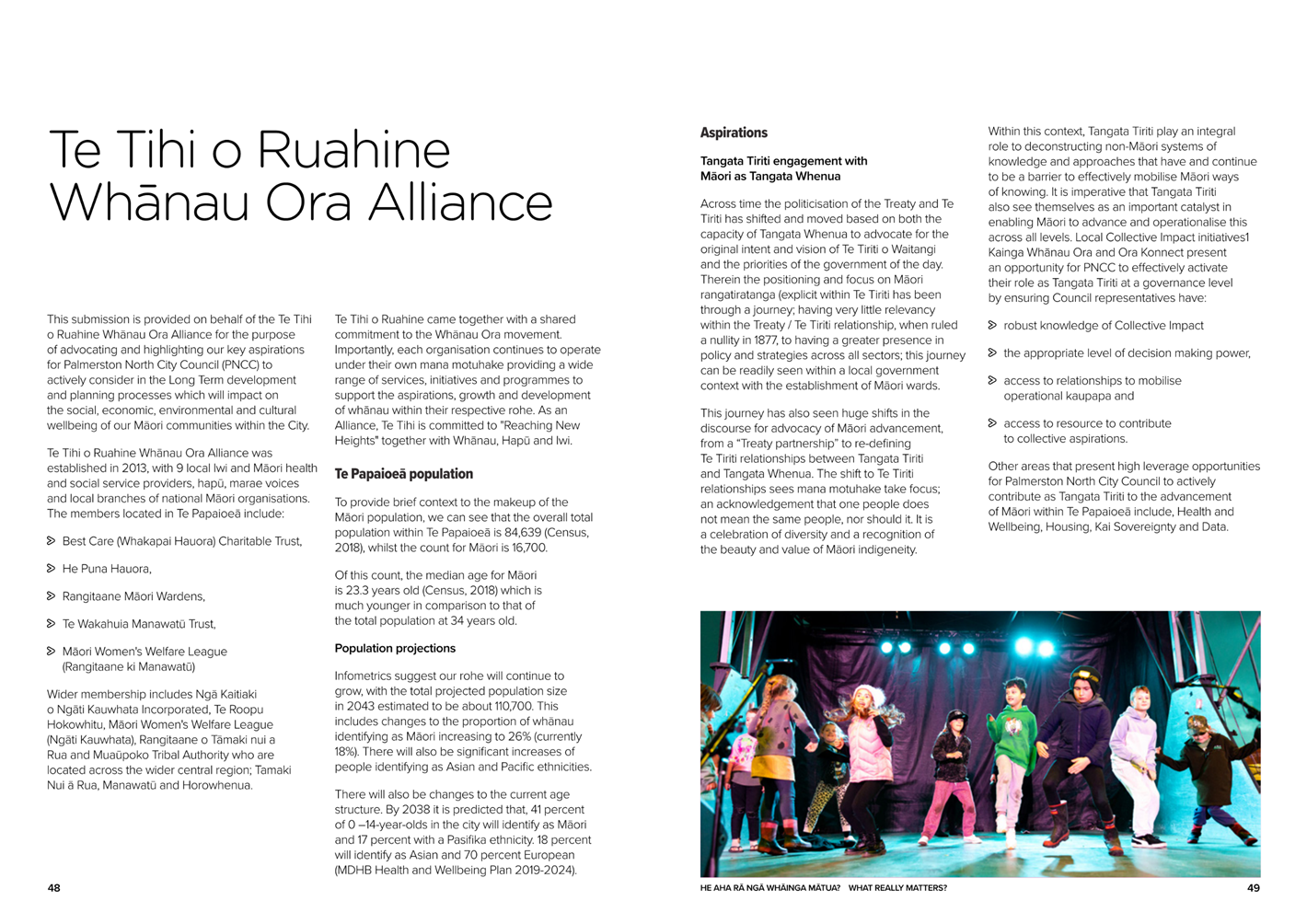
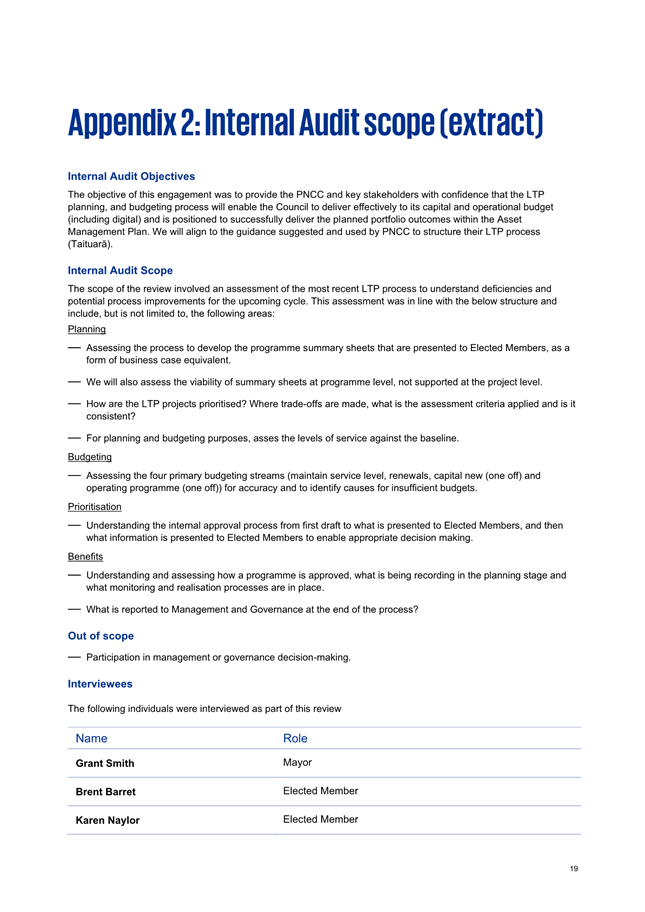
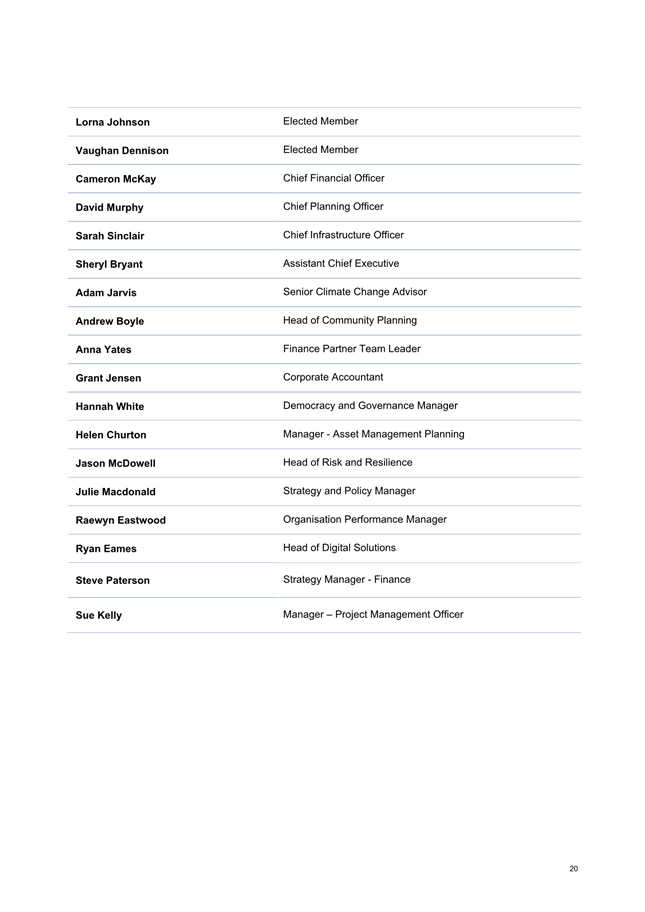
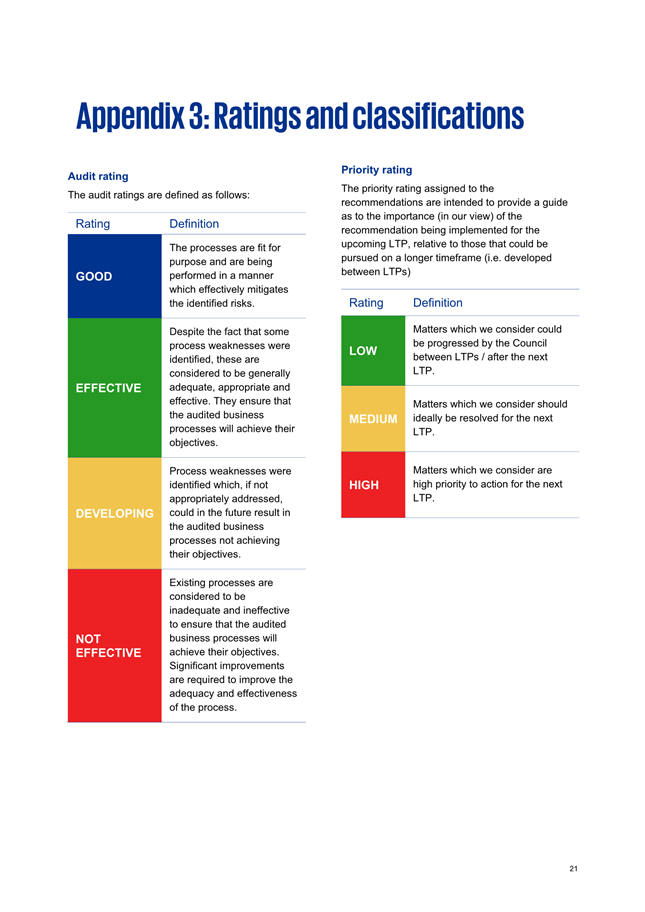
|
Grant
Smith (Mayor)
|
|
Debi
Marshall-Lobb (Deputy Mayor)
|
|
Mark
Arnott
|
Leonie
Hapeta
|
|
Brent
Barrett
|
Lorna
Johnson
|
|
Rachel
Bowen
|
Billy
Meehan
|
|
Vaughan
Dennison
|
Orphée
Mickalad
|
|
Lew
Findlay (QSM)
|
Karen
Naylor
|
|
Roly
Fitzgerald
|
William
Wood
|
|
Patrick
Handcock (ONZM)
|
Kaydee
Zabelin
|
Council MEETING
5 April 2023
Order of Business
1. Apologies
2. Notification
of Additional Items
Pursuant to Sections 46A(7) and
46A(7A) of the Local Government Official Information and Meetings Act 1987, to
receive the Chairperson’s explanation that specified item(s), which do
not appear on the Agenda of this meeting and/or the meeting to be held with the
public excluded, will be discussed.
Any additions in accordance with
Section 46A(7) must be approved by resolution with an explanation as to why
they cannot be delayed until a future meeting.
Any additions in accordance with
Section 46A(7A) may be received or referred to a subsequent meeting for further
discussion. No resolution, decision or recommendation can be made in
respect of a minor item.
3. Declarations
of Interest (if any)
Members are reminded of their duty
to give a general notice of any interest of items to be considered on this
agenda and the need to declare these interests.
4. Public
Comment
To receive comments from members of
the public on matters specified on this Agenda or, if time permits, on other Council
matters.
(NOTE: If
Council wishes to consider or discuss any issue raised that is not specified on
the Agenda, other than to receive the comment made or refer it to the Chief
Executive, then a resolution will need to be made in accordance with clause 2
above.)
5. Petition:
Over-utilisation of land – Kāinga Ora Housing Development at 16-24
South Street, Palmerston North Page 7
6. Confirmation
of Minutes Page 9
“That the minutes of the ordinary meeting of 15 March
2023 Part I Public be confirmed as a true and correct record.”
Reports
7. Draft
Interim Speed Management Plan - Approval for Public Consultation
Report, presented by Peter Ridge, Senior Policy
Analyst.
Report for decision, available from 1 March 2023
Council Agenda (Item 10, page 193)
8. Consideration
of Options to Progress the Civic and Cultural Precinct Master Plan
Report, presented by Jono Ferguson-Pye, City
Planning Manager and David Murphy, Chief Planning Officer.
Report for decision, available from
1 March 2023 Council Agenda (Item 9, page 39)
9. Adopting
the draft Vision, Goals and Principles to Inform the Development of the 2024-34
Long Term Plan Page 19
Memorandum, presented by Andrew Boyle, Head of Community
Planning and Toni Grace, Principal Advisor - Long Term Plan.
10. Business Assurance
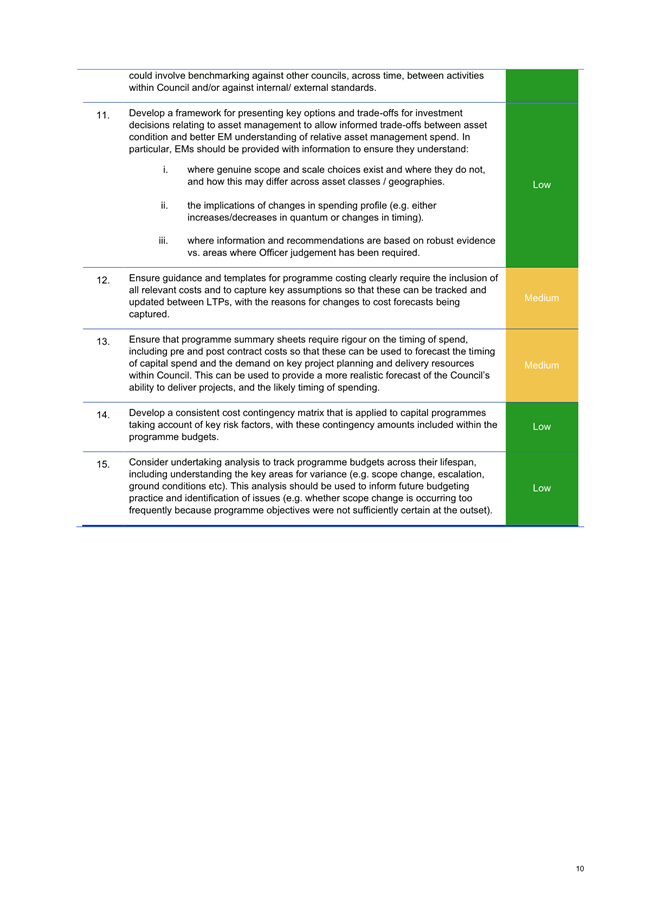
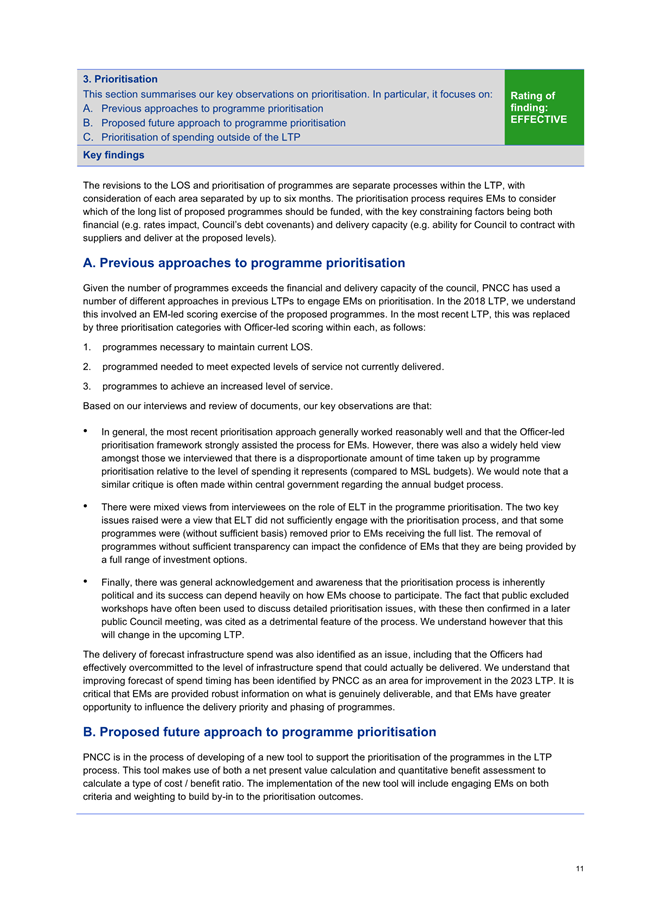
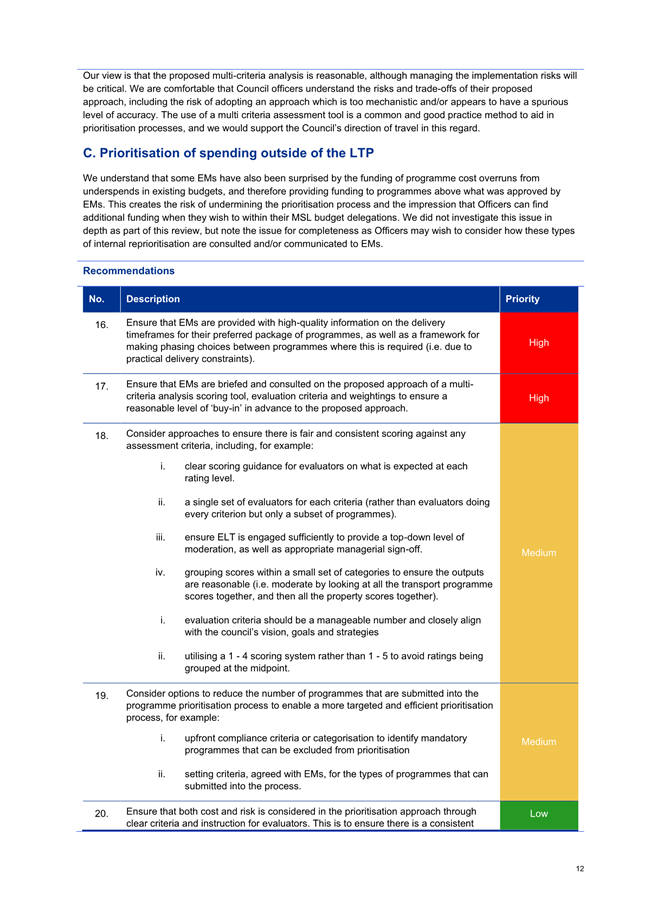
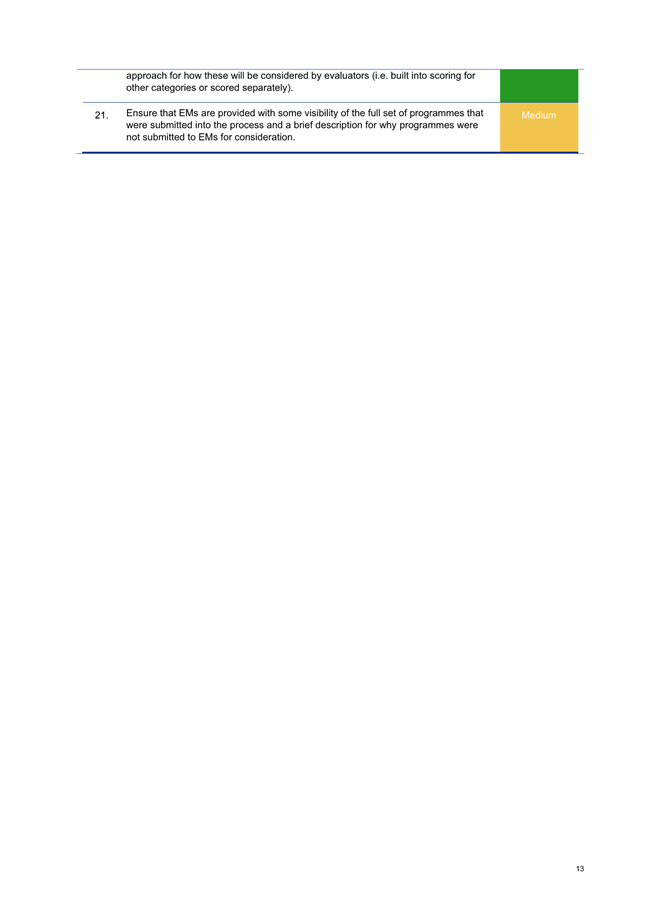
Report - Long Term Plan Review of Programme Planning, Budgeting, Prioritisation
& Benefits Page 65
Memorandum, presented by Masooma Akhter, Business
Assurance Manager, Andrew Boyle, Head of Community Planning and Andrew Wade,
Director - KPMG.
11. Sponsorship request
- New Zealand Food Awards Page 93
Report, presented by Jessica Ballinger, Marketing
Manager.
12. Draft Water Supply
Bylaw 2023 - approval for consultation Page 97
Report, presented by Lili Kato, Policy Analyst and
Peter Ridge, Senior Policy Analyst.
13. Further information
on Council land options for an artificial turf (Long Term Plan Programme
1133 - Sportsfields – Artificial Football Pitch) Page 155
Memorandum, presented by Ann-Marie Mori, Policy Analyst
and Aaron Phillips, Activities Manager - Parks.
14. Freedom Drive Road
Reserve Page 163
Memorandum, presented by Bryce Hosking, Acting Chief
Infrastructure Officer.
15. Council Work
Schedule Page 167
Recommendations from Committee Meetings
16. Presentation of the
Part I Public Strategy & Finance Committee’s Recommendations from its
22 March 2023 Meeting Page 171
17. Exclusion of Public
|
|
To be
moved:
“That the
public be excluded from the following parts of the proceedings of this
meeting listed in the table below.
The general
subject of each matter to be considered while the public is excluded, the
reason for passing this resolution in relation to each matter, and the
specific grounds under Section 48(1) of the Local Government Official
Information and Meetings Act 1987 for the passing of this resolution are as
follows:
|
General subject of each matter to be
considered
|
Reason for passing this resolution in
relation to each matter
|
Ground(s) under Section 48(1) for
passing this resolution
|
|
18.
|
Minutes of the ordinary meeting - Part II
Confidential - 15 March 2023
|
For the reasons setout in the ordinary minutes of
15 March 2023, held in public present.
|
|
|
|
|
This
resolution is made in reliance on Section 48(1)(a) of the Local Government
Official Information and Meetings Act 1987 and the particular interest or
interests protected by Section 6 or Section 7 of that Act which would be
prejudiced by the holding of the whole or the relevant part of the
proceedings of the meeting in public as stated in the above table.
Also that the
persons listed below be permitted to remain after the public has been
excluded for the reasons stated.
[Add Third
Parties], because of their knowledge and ability to assist the
meeting in speaking to their report/s [or other matters as specified] and
answering questions, noting that such person/s will be present at the meeting
only for the items that relate to their respective report/s [or matters as
specified].
|
Presentation
TO: Council
MEETING DATE: 5
April 2023
TITLE: Petition:
Over-utilisation of land – Kāinga Ora Housing Development at 16-24
South Street, Palmerston North
RECOMMENDATION
TO Council
1. That Council
receive the petition ‘Over-utilisation of land – Kāinga
Ora Housing Development at 16-24 South Street, Palmerston North’
for information.
Presentation of a petition
‘Over-utilisation of land – Kāinga Ora Housing Development at
16-24 South Street, Palmerston North’.
The petition is as follows:
Kāinga Ora is building 10
double storey houses, 2 joined per section at 16-24 South Street, Palmerston
North. No garage space would be provided for the tenants of the
houses. These houses will overlook neighbours’ properties offering
no privacy. Kāinga Ora will cram families into these small
houses. These 10 houses will bring additional utilities, without upgrade
to plumbing/sewage. Noise and traffic will increase, and PNINS/central
city workers’ parking is horrendous as is. This is not
consistent with South Street which is predominantly made of single dwelling
homes.
We ask for this to be reconsidered
to allow 4 houses to be built.
The petition has been signed by
38 people.
Attachments
NIL
Palmerston North City Council
Minutes of
the Council Meeting Part I Public, held in the Council Chamber, First Floor,
Civic Administration Building, 32 The Square, Palmerston North on 15 March 2023,
commencing at 9.00am
|
Members
Present:
|
Grant Smith (The Mayor) (in the Chair)
and Councillors Debi Marshall-Lobb, Mark Arnott, Brent Barrett, Rachel Bowen,
Vaughan Dennison, Lew Findlay, Roly Fitzgerald, Patrick Handcock, Leonie Hapeta,
Lorna Johnson, Billy Meehan, Orphée Mickalad, Karen Naylor, William
Wood and Kaydee Zabelin.
|
|
|
Karakia
Timatanga
|
|
|
Councillor Roly Fitzgerald
opened the meeting with karakia.
|
|
|
Declaration
of Interests
|
|
|
Councillor Kaydee Zabelin declared
an interest in Item 19 ‘Trustee Appointment to The Regent Theatre Trust
Board’ (confidential) and took no further part in discussion or debate.
Councillor Leonie Hapeta declared a conflict of interest
in Item 7 ‘Fees and Charges Review’ (clauses 31.2 and 31.5 only)
and took no further part in discussion or debate.
|
|
29-23
|
Confirmation of
Minutes
It was requested that the minutes of the ordinary meeting
of 1 March 2023 be amended to record in the ‘Declaration of
Interests’ section the nature of Councillor Brent Barrett’s
conflict of interest, being his participation in the Private Plan Change
Matangi Residential Area as a member of the Hearing Panel.
|
|
|
Moved Grant Smith, seconded Debi Marshall-Lobb.
RESOLVED
1. That the
minutes of the ordinary meeting of 1 March 2023 Part I Public be confirmed as
a true and correct record, as amended.
|
|
|
Clause 29-23 above was carried.
|
Reports
|
30-23
|
Annual Budget (Plan) 2023/24
- Adopting Supporting Information and the Consultation Document
Memorandum, presented by Cameron
McKay, Chief Financial Officer, and Steve Paterson, Strategy Manager -
Finance.
In discussion Elected Members
requested that the table on page 9 of the draft Consultation Document for the
2023/24 Draft Annual Budget (Plan) be removed because it did not reflect the
broader process and all the decisions made on the matter.
|
|
|
Moved
Brent Barrett, seconded Leonie Hapeta.
RESOLVED
1. That the
Table referring to ‘Decisions made to proposed Annual Budget prior to
consultation’ be removed from the Consultation Document for the 2023/24
Draft Annual Budget.
|
|
|
Clause
30.1-23 above was carried.
|
|
|
Moved Grant Smith, seconded
Debi Marshall-Lobb.
2. That the Council adopt the Supporting Information
(Attachment 2) as the material relied upon to prepare the Consultation
Document for the 2023/24 Draft Annual Budget (Plan).
3. That the Council adopt the Consultation Document
(Attachment 3) for the 2023/24 Draft Annual Budget (Plan), as amended.
4. That the Mayor and Chief Executive be delegated
authority to make minor amendments to the Consultation Document prior to
publication.
|
|
|
Clauses 30.2 to 30.4-23 above
were carried.
|
The
meeting adjourned at 10.02am.
The
meeting resumed at 10.24am.
|
31-23
|
Fees
and Charges Review
Report, presented by Steve
Paterson, Strategy Manager - Finance.
With regard to recommendations below, Elected Members
agreed increases at lower rates than had been recommended by officers. Motion
9(a)(i) was put to acknowledge the cost of living pressures on the community.
Similarly, motion 9(b) was put in order to moderate the charges’
increase impact on the community.
|
|
|
Moved
Grant Smith, seconded Debi Marshall-Lobb.
RESOLVED
1. That Council receive the report titled ‘Fees
and Charges Review’, presented on 15 March 2023, and that the current
status of fees and charges be noted.
|
|
|
Clause 31.1-23 above was
carried.
|
|
|
Moved Grant Smith, seconded
Debi Marshall-Lobb.
Trade
Waste
2. That the proposal to adopt updated fees and
charges for Trade Waste services effective from 1 July 2023 as attached in
Appendix 2, be approved for public consultation and the Chief Executive be
authorised to undertake the necessary consultative process under sections 82
and 150 of the Local Government Act 2002.
|
|
|
Clause 31.2-23 above
was carried.
Note:
Councillor Leonie Hapeta
declared a conflict of interest, withdrew from the discussion and sat
in the gallery.
|
|
|
Moved Grant Smith, seconded
Debi Marshall-Lobb.
Planning & Miscellaneous
3. That the Statement of Proposal (and the associated
summary) to adopt updated fees and charges for Planning Services and
Miscellaneous Services effective from 1 July 2023 as attached in Appendix 3,
be approved for public consultation and the Chief Executive be authorised to
undertake the necessary consultative process under sections 83 and 150 of the
Local Government Act 2002.
|
|
|
Clause 31.3-23 above
was carried.
|
|
|
Moved Grant Smith, seconded
Debi Marshall-Lobb.
Building
4. That the fees and charges for Building Services,
as proposed in Appendix 4 be adopted and following public notification take
effect from 1 July 2023.
|
|
|
Clause 31.4-23 above
was carried.
|
|
|
Moved Grant Smith, seconded
Debi Marshall-Lobb.
Environmental Health
5. That the fees and charges for Environmental Health
Services (in terms of regulation 7 of the Health (Registration of Premises)
Regulations 1966) as proposed in Appendix 5, be adopted and following public
notification, take effect from 1 July 2023.
|
|
|
Clause 31.5-23 above
was carried.
Note:
Councillor Leonie Hapeta
declared a conflict of interest, withdrew from the discussion and sat
in the gallery.
|
|
|
Moved Grant Smith, seconded
Debi Marshall-Lobb.
Animal Control
6. That the
fees and charges for the Impounding of Animals (in terms of section 14 of the
Impounding Act 1955) and for Dog Registration and Dog Impounding (in terms of
sections 37 and 68 of the Dog Control Act 1996) as proposed in Appendix 6 be
adopted, and following public notification, take effect from 1 July 2023.
Burial
& Cremation
7. That the
fees and charges for Burial and Cremation, as proposed in Appendix 7 be
adopted and following public notification, take effect from 1 July 2023.
Service
Connections
8. That the
fees and charges for Service Connections, as proposed in Appendix 8 be
adopted and take effect from 1 July 2023.
|
|
|
Clauses 31.6 to 31.8-23 above
were carried.
|
|
|
Moved Lorna Johnson,
seconded Patrick Handcock.
Resource Recovery
9. That the changes to fees and charges for Resource
Recovery, as proposed in Appendix 9, be adopted and take effect from 1 July
2023, incorporating:
a) MAXIMUM RETAIL PRICE FOR KERBSIDE RUBBISH BAGS
a)(i)
That the maximum retail price for PNCC kerbside rubbish bags
(large) be $2.90, noting that this is not in line with our policy
but is in response to cost of living pressures on our community.
|
|
|
Clause 31.9(a)(i)-23 above
was carried 11 votes to 5, the voting being as follows:
For:
The Mayor (Grant Smith) and
Councillors Debi Marshall-Lobb, Mark Arnott, Rachel Bowen, Vaughan Dennison,
Lew Findlay, Roly Fitzgerald, Patrick Handcock, Lorna Johnson, Billy Meehan
and Kaydee Zabelin.
Against:
Councillors Brent Barrett,
Leonie Hapeta, Orphée Mickalad, Karen Naylor and William Wood.
Moved Lorna Johnson,
seconded Patrick Handcock.
9. That the changes to fees and charges for Resource
Recovery, as proposed in Appendix 9, be adopted and take effect from 1 July
2023, incorporating:
a) MAXIMUM RETAIL PRICE FOR KERBSIDE RUBBISH BAGS
a)(ii)
Option 2 for small PNCC kerbside rubbish bags.
|
|
|
Clause 31.9(a)(ii)-23 above
was carried 12 votes to 4, the voting being as follows:
For:
The Mayor (Grant Smith) and
Councillors Debi Marshall-Lobb, Mark Arnott, Rachel Bowen, Vaughan Dennison,
Lew Findlay, Roly Fitzgerald, Patrick Handcock, Lorna Johnson, Billy Meehan,
Karen Naylor and Kaydee Zabelin.
Against:
Councillors
Brent Barrett, Leonie Hapeta, Orphée Mickalad and William Wood.
|
|
|
Moved Vaughan Dennison,
seconded Lorna Johnson.
9. That the changes to fees and charges for Resource
Recovery, as proposed in Appendix 9, be adopted and take effect from 1 July
2023, incorporating:
b) ASHHURST TRANSFER STATION RUBBISH DISPOSAL
That
Council adopt Option 2 with any increase capped at a maximum
increase of $25 of the current trailer charges.
|
|
|
Clause 31.9(b)-23 above was
carried.
|
|
|
Moved Grant Smith, seconded
Debi Marshall-Lobb.
Parks and Reserves
10. That the
fees and charges for Parks and Reserves as proposed in Appendix 10 be adopted
and take effect from 1 July 2023.
Backflow Prevention
11. That the
fees and charges for Backflow Prevention testing and maintenance as proposed
in Appendix 11 be adopted and take effect from 1 July 2023.
Corridor
Access Request
12. That the
fees and charges for Corridor Access Requests as proposed in Appendix 12 be
adopted and take effect from 1 July 2023.
|
|
|
Clauses 31.10 to 31.12-23 above
were carried.
|
|
32-23
|
Adoption
of the Local Governance Statement 2022-25
Memorandum, presented by
Sarah Claridge, Democracy & Governance Advisor.
|
|
|
Moved
Grant Smith, seconded Debi Marshall-Lobb.
RESOLVED
1. That
Council adopt the Local Governance Statement 2022-2025 (Appendix 1) to
replace the Local Governance Statement 2019-2022.
2. That
Council delegate authority to the Chief Executive to make minor amendments to
the Local Governance Statement 2022-2025 to keep it up to date.
|
|
|
Clause 32-23 above was
carried.
|
|
33-23
|
Council Submission on the Sale
and Supply of Alcohol (Community Participation) Amendment Bill
Memorandum, presented by
Peter Ridge, Senior Policy Analyst.
|
|
|
Moved
Grant Smith, seconded Debi Marshall-Lobb.
RESOLVED
1. That Council
note the submission to the Justice Select Committee on the Sale and Supply of
Alcohol (Community Participation) Amendment Bill.
|
|
|
Clause 33-23 above was
carried.
|
|
34-23
|
Council
Submission to the Inquiry into the 2022 Local Elections
Memorandum, presented by
Hannah White, Democracy and Governance Manager.
|
|
|
Moved
Grant Smith, seconded Debi Marshall-Lobb.
RESOLVED
1. That
Council note Council’s submission to the Justice Committee Inquiry into
the 2022 Local Elections (Attachment 1).
|
|
|
Clause 34-23 above was
carried.
|
|
35-23
|
Council Submission on the
Local Government Official Information and Meetings Amendment Bill
Memorandum, presented by
Desiree Harvey, Legal Counsel.
|
|
|
Moved
Grant Smith, seconded Debi Marshall-Lobb.
RESOLVED
1. That
Council note Council’s submission on the Local Government Official
Information and Meetings Amendment Bill (Attachment 1).
|
|
|
Clause 35-23 above was
carried.
|
|
36-23
|
Council
Work Schedule
|
|
|
Moved
Grant Smith, seconded Debi Marshall-Lobb.
RESOLVED
1. That the
Council receive its Work Schedule dated 15 March 2023.
|
|
|
Clause 36-23 above was
carried.
|
Recommendations from Committee Meetings
|
37-23
|
Economic
Growth Committee Part I Public - 22 February 2023
Consideration was given to
Economic Growth Committee recommendations as appended to these minutes.
|
|
|
Moved William Wood, seconded Vaughan Dennison.
RESOLVED
Main Street Cycleway
- Permanent Solution Decision
1. That Council
endorse Option 1: Retain the existing Pioneer Highway temporary cycleway
infrastructure until it reaches the end of its useful life and replace it and
progress the remaining pieces as a permanent solution to create a complete
and safe cycleway along that route.
|
|
|
Clause 37-23 above was carried, with 1 abstention.
|
|
38-23
|
Culture
& Sport Committee Part I Public - 8 March 2023
Consideration was given to
Culture & Sport Committee recommendations as appended to these minutes.
Councillor Rachel Bowen, Chairperson of the Culture &
Sport Committee, noted that decisions in clause 8-23 of the Minutes of the
Committee meeting dated 8 March 2023 were made by the Committee under
delegated authority, and need not be presented as recommendations to Council.
|
|
|
Moved Rachel Bowen, seconded Billy Meehan.
RESOLVED
Victoria Esplanade
User Group - Amendments to Terms of Reference
1. That Council
approve amendments to the 2018 Victoria Esplanade User Group Terms of
Reference, as detailed in Attachment 1 of this report.
|
|
|
Clause 38-23 above was carried, with 1 abstention.
|
Exclusion
of Public
|
39-23
|
Recommendation to
Exclude Public
|
|
|
Moved Grant Smith, seconded Debi Marshall-Lobb.
RESOLVED
“That the
public be excluded from the following parts of the proceedings of this meeting
listed in the table below.
The general
subject of each matter to be considered while the public is excluded, the
reason for passing this resolution in relation to each matter, and the
specific grounds under Section 48(1) of the Local Government Official
Information and Meetings Act 1987 for the passing of this resolution are as
follows:
|
General subject of each matter to be
considered
|
Reason for passing this resolution in
relation to each matter
|
Ground(s) under Section 48(1) for
passing this resolution
|
|
18.
|
Confirmation of Minutes - Part II Confidential –
15 February 2023
|
For the reasons set out in the ordinary minutes of
15 February 2023, held in public present
|
|
|
19.
|
Trustee Appointment to The Regent Theatre Trust
Board
|
Privacy
|
s7(2)(a)
|
This
resolution is made in reliance on Section 48(1)(a) of the Local Government
Official Information and Meetings Act 1987 and the particular interest or
interests protected by Section 6 or Section 7 of that Act which would be
prejudiced by the holding of the whole or the relevant part of the
proceedings of the meeting in public as stated in the above table.
|
|
|
Clause 39-23 above was carried.
|
|
|
Deferral
of Items to the next Council meeting
|
|
|
The Mayor advised that the
following Items of the Agenda would be deferred to the Council meeting to be
held on 5 April 2023:
- Item 9
‘Draft Interim Speed Management Plan - Approval for Public Consultation’.
- Item 10
‘Consideration of Options to Progress the Civic and Cultural Precinct
Master Plan’.
|
The public part
of the meeting finished at 11.38am.
Confirmed 5 April 2023
Mayor
Memorandum
TO: Council
MEETING DATE: 5
April 2023
TITLE: Adopting
the draft Vision, Goals and Principles to Inform the Development of the 2024-34
Long Term Plan
Presented
By: Andrew
Boyle, Head of Community Planning and Toni Grace, Principal Advisor - Long Term
Plan
APPROVED BY: David
Murphy, Chief Planning Officer
RECOMMENDATION(S)
TO Council
1. That the Council
adopt a draft Vision to inform the development of the 2024-34 Long Term Plan
(LTP) either:
a) He iti
rā, he iti pounamu. Small city benefits, big city ambition
or
b) He iti
rā, he iti pounamu. Small city benefits, big city opportunities
or
c) Some
other wording that reflects Council’s aspirations for the 2024-34 LTP.
(Note that in this case the appropriateness of He iti rā, he iti
pounamu would need to be checked).
2. That
the Council adopt as its draft City Goals to inform the development of the
2024-34 LTP:
1. Either:
a) An Innovative and Growing City
or
b) An Innovative and Prosperous City
2. A Creative and Exciting City
3. A Connected and Safe Community
4. A Sustainable and Resilient City
3. That
either:
a) the Council confirm the 2021 Principles as
its draft Principles to inform the development of the 2024-34 LTP:
· Inclusive
· Open
· Ambitious
· Bold
· Enabling
· Guardianship
· Caring
or
b) the Council adopt a new set of draft Principles
for the development of the 2024-34 LTP.
4. That
the Council receive ‘He aha rā ngā
whāinga matua? What really
matters?’ to inform the development of the 2024-34 LTP. This is
included as Appendix 1.
1. ISSUE
The purpose of this report is for Council to adopt the draft
Vision, Goals and set of Principles as the foundation for the development of
the 2024-34 Long Term Plan (LTP). This will ensure that Elected Members,
Rangitāne, staff, and the wider community have a clear understanding of
the strategic direction that will drive the development of the 2024-34 LTP.
Note: these recommendations are
about adopting draft Vision, Goals and Principles for the purpose of
developing the 2024-34 LTP. They do not replace the current Vision, Goals and
Principles. The current Vision, Goals and Principles were adopted with the
2021-31 LTP. Any new Vision, Goals and Principles will be formally adopted with
the new LTP in June 2024, following community consultation.
2. COUNCIL’s DRAFT VISION, GOALS AND
PRINCIPLES TO INFORM THE DEVELOPMENT OF THE 2024-34 LTP
Draft Vision for the development of the 2024-34 LTP
Council’s current Vision is:
He iti rā, he
iti pounamu. Small city benefits, big city ambition.
This was adopted by Council as part of the 2018-28 LTP and
Council reconfirmed it through the 2021-31 LTP. It has been endorsed by
Rangitāne in 2018 and 2021, and it fits well with Rangitāne’s
strategic aspirations.
Anecdotally, it has been well received by the community, and
there has been very little comment on it in LTP submissions.
Elected Members and Rangitāne representatives have held
some initial and informal discussions about the Vision, Goals and Principles.
This was through a workshop on 2 December 2022 and a strategic retreat on 9-10
February 2023. Elected Members were also surveyed for their informal views on
the Vision and Goals.
These initial discussions and survey results show that there
are some areas of consensus about the current Vision:
· Consensus that the
Vision needs to describe a sustainable city that promotes Palmerston
North’s social, economic, environmental and cultural well-being in the
present and the future (from Local Government Act section 5).
· Consensus that the
te reo component of the Vision – he iti rā, he iti pounamu -
sums up well what Elected Members and Rangitāne want to keep and achieve.
(Note: He iti rā, he iti pounamu means “it is small, but it
is still a treasure” so it is not a literal translation of Small city
benefits, big city ambition.)
· Consensus that small
city benefits sums up well what Elected Members and Rangitāne want to
keep and achieve.
· Consensus that the
Vision and Goals will only be achieved if Council works in partnership with
communities, organisations, businesses and central government.
· Consensus that a
broader, balanced scorecard approach is needed to measure progress towards the
Vision and Goals.
Officers understand that there are mixed views on big
city ambition. There appears to be consensus that big cities have some
advantages and some disadvantages (as do small cities). Elected Members and
Rangitāne representatives suggested the Vision should contain the best of
both worlds – having the advantages of a big city and a small
city, without any of the disadvantages. Comments included:
· Some look at big
and see advantages, while others see disadvantages.
· Some feel that big
implies growing larger and spreading out, while others feel it implies
‘being bigger and better’.
· Some feel that ambition
implies a strong desire to improve, while others feel it implies expensive
projects.
· Some feel that big
city opportunities better encapsulates the advantages of a big city, but
others feel it loses the drive and direction of ambition.
Council’s draft City Goals for the development of
the 2024-34 LTP
Elected Members and Rangitāne representatives also
informally discussed the Goals that sit under the Vision.
Council currently has five Goals:
1. An
Innovative and Growing City
2. A
Creative and Exciting City
3. A
Connected and Safe Community
4. An Eco
City
5. A
Driven and Enabling Council (covered in the next section).
The first four Goals are about the City and they reflect the
four well-beings from the Local Government Act. Elected Members and Rangitāne
representatives commented that as a set they cover the breadth of what Council
should pursue to ensure Palmerston North is a sustainable city. Elected Members
and Rangitāne representatives also commented that the Goals are best seen
as an integrated set, with many links between them.
Key points raised during the discussions and survey feedback
about the City Goals are:
· There are mixed
views on the wording of Goal 1. Some are comfortable with the current wording
of An Innovative and Growing City. Others feel that An
Innovative and Prosperous City is more appropriate. This reflects the
different views about growth in the discussion about the Vision.
· The focus of Goal
1 is not just about getting more jobs – it is also about skills, talent
and the quality of jobs, as well as business growth and a low-carbon economy.
· Goal 1 also needs
more of a focus on housing, e.g. inner-city housing / intensification, green
houses and housing targeted at transient and disadvantaged communities as well
as ensuring there is enough zoned and infrastructure-ready land to meet demand.
· Goal 2 is about
improving ‘the vibe of the city’ so it is more exciting and
vibrant.
· Goal 2 includes
making Palmerston North a more attractive and inclusive city for students (and
all other communities).
· Goal 2 includes
enabling residents to participate in the life of the city and making them feel
like they belong.
· Goal 2 also
includes encouraging more involvement in passive and active recreation,
including the arts and events.
· Goal 3 includes
more emphasis on social housing, either directly provided by Council or through
supporting for providers.
· Goal 3 includes
more emphasis on safety.
· Goal 3 includes
increasing diversity and inclusivity.
· Goal 3 also needs
more focus on rebuilding social connections – especially for youth, and
to recover connections that have been lost through Covid-19.
· The “Eco
city” wording of Goal 4 does not give a clear picture of what Council is
wanting to achieve.
· Goal 4 needs to be
more about resilience – e.g. climate change adaptation, reducing
infrastructure failure risks, food security and biodiversity. As part of this,
there is a general feeling that the Goal could be more clearly worded as A
Sustainable and Resilient City (instead of An Eco City).
· Goal 4 needs to
focus more on reduce carbon emissions (especially city-wide).
· Goal 4 also needs
more emphasis on resource recovery and waste minimisation.
This feedback from Elected Members will provide a foundation
for strategies that show how the Goals will be implemented. Strategy
development is the next big stage in the development of the LTP, and these
draft documents will be brought back to Elected Members for their further
discussion and reflection. To assist with that task, staff recommend that
Elected Members confirm their direction through resolutions. In particular,
there are two areas where more direction would be helpful:
a) Resilience:
Staff advice is that the recent floods have shown the crucial importance of
resilient communities. They have shown that resilience is the result of
individuals, communities, organisations, businesses, and central and local
government all working together. Elevating resilience to the level of a City
Goal would demonstrate that making Palmerston North a more resilient city is a
priority for Council. Also, an Eco city is a fairly general term, whereas A
Sustainable and Resilient City sits better alongside the other Goals and is
more descriptive about what Council will focus on.
b) Growth and
prosperity: Staff are also looking for direction from Elected Members on
whether Goal 1 should be An Innovative and Growing City or An
Innovative and Prosperous City. This direction will shape the development
of the Strategies.
Proposed approach to an organisational goal for the
2024-34 LTP
The fifth Goal (current) is about the Council. There were
discussions that, while some elements of the Goal are external (e.g.
encouraging active citizenship and providing good customer service), much of it
is internally focused and describes the type of organisation needed to deliver
the four City Goals. As such, there is a general feeling amongst Elected
Members that instead of seeing it as a Goal, it should be embedded in the four
City goals and the Principles, whilst not losing some of the performance
measures and targets associated with the current Goal 5.
As a result this report
contains no recommendation to adopt a standalone organisational goal. If
Council does not adopt any organisational goal then the 2024-34 LTP will show
how the Council will be resourced to enable it to deliver on the four City
Goals in a high performing and cost-effective way. This will be part of the
engagement and consultation on the LTP.
Council’s draft Principles for the development of
the 2024-34 LTP
As part of the 2021-31 LTP the Council adopted seven Guiding
Principles:
· Inclusive
· Open
· Ambitious
· Bold
· Enabling
· Guardianship
· Caring.
Council adopted the first six principles in 2018. It added Caring
in 2021.
The conversations between Elected Members and Rangitāne
representatives suggested that, as a set, the Principles provide a good
description of how Elected Members and staff should interact with residents and
organisations in the City. However, there was discussion about amending some of
these:
· Open
– sits in inclusiveness and guardianship
· Ambition
sits well here (rather than in the Vision)
· Ambitious
and bold cover the same thing
· Do
not need caring as a principle as it is part of the goals.
3. NEXT STEPS
The LTP is a process of resolving the tension between the
vision (what Council and the community want to achieve) and the reality (what
is affordable and achievable).
Now that Council has set its draft Vision and Goals for the
development of the LTP, the process focusses on what Council can do to achieve
the Vision and Goals and how much this would cost, before Councillors
prioritise the potential actions into a draft strategic, affordable and
achievable list of services and projects for community consultation.
Key steps in this include:
· developing
the Strategies
· developing
costed Plans
· developing
Asset Management Plans
· developing
levels of service
· developing
programmes and budgets
· developing
the prioritisation process for levels of service and programmes
· reviewing
the Financial and Infrastructure Strategies and the associated Financial
Policies
· Council
prioritisation of the levels of service and programmes
· preparing
an initial draft of the consultation material
· community
engagement and formal consultation
· finalising
and adopting the LTP.
These are iterative processes
rather than separate steps and staff are currently refining the LTP project
plan to ensure the process moves forward smoothly.
4. Compliance and administration
|
Does the Council have delegated
authority to decide?
|
Yes
|
|
Are the decisions significant?
|
No
|
|
If they are significant do they
affect land or a body of water?
|
No
|
|
Can this decision only be made
through a 10 Year Plan?
|
No
|
|
Does this decision require
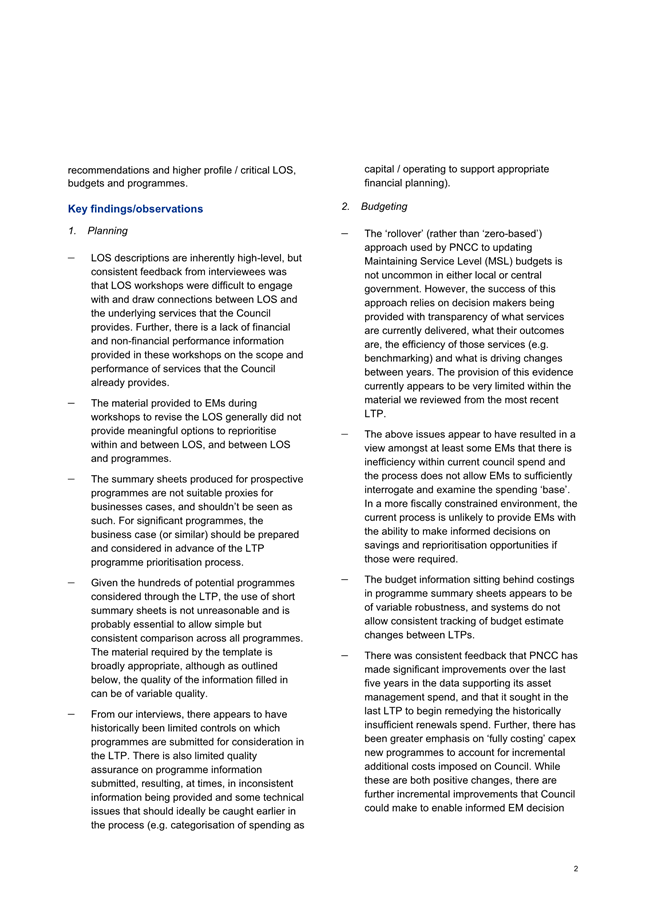
consultation through the Special Consultative procedure?
|
No
|
|
Is there funding in the current
Annual Plan for these actions?
|
Yes
|
|
Are the recommendations
inconsistent with any of Council’s policies or plans?
|
No
|
|
Through these recommendations
the Council will adopt the draft Vision, Goals and Principles to inform the
development of the 2024-34 LTP.
|
Attachments
|
1.
|
Community
Views - What Really Matters ⇩ 
|
|

Memorandum
TO: Council
MEETING DATE: 5
April 2023
TITLE: Business
Assurance Report - Long Term Plan Review of Programme Planning, Budgeting,
Prioritisation & Benefits
Presented
By: Masooma
Akhter, Business Assurance Manager, Andrew Boyle, Head of Community Planning
and Andrew Wade, Director - KPMG
APPROVED BY: Donna
Baker, Acting Chief Executive Unit Manager
RECOMMENDATION TO Council
1. That Council
receive the memorandum titled ‘Business
Assurance Report – Long-Term Plan Review of Programme Planning,
Budgeting, Prioritisation & Benefits’, presented to Council on 5
April 2023.
1. ISSUE
The Business Assurance plan for
2021/22 approved by Council on 21 December 2021 required the following two
reviews:
a) Review of project planning and
budgeting
b) Benefits realisation framework
and strategic prioritisation review
Following a scoping exercise
for each, it was deemed that these reviews would be delivered more effectively
if combined as they are both crucial parts of the Long-Term Plan (LTP) process.
The report attached to this
memorandum is the outcome of this review.
2. BACKGROUND
The objective of this review is
to provide confidence to stakeholders that the LTP planning and budgeting
processes are robust and ensure that Elected Member decisions are made with
appropriate information.
The findings of this review are
based on interviews with key stakeholders to the process and a review of
relevant documents. Interviews were conducted with both Officers and Elected
Members to gain insights on the processes used in previous LTPs, their
strengths and weaknesses, and where interviewees saw opportunities to improve.
In addition to interviews with Palmerston North City Council (PNCC) staff, two
other large New Zealand city councils were engaged with to provide an
alternative perspective on how their LTPs are produced. The findings presented are
the result of fieldwork completed between 19 September and 22 November 2022.
It appears
that PNCC follows a reasonably structured (albeit both protracted and rushed at
certain points) process to work with Elected Members to consider changes to
Plans, Levels of Service and potential new programmes for inclusion in the
LTP. This is undertaken within an inherently challenging context given
incomplete and uncertain information, the political context in which it is
undertaken, long-term budget horizons and the requirement to make trade-offs
across multiple competing domains and activities.
Notwithstanding
the above, it is concluded that there are a range of areas across planning,
budgeting, prioritisation and benefits which could be strengthened to provide Elected
Members with better information to make informed LTP decisions. Business
Assurance has previously undertaken a quality assurance
process to identify issues with the LTP process and Management has proactively
taken steps to improve key aspects. The recommendations from this review
would, over time, continue to support ongoing improvement of the LTP.
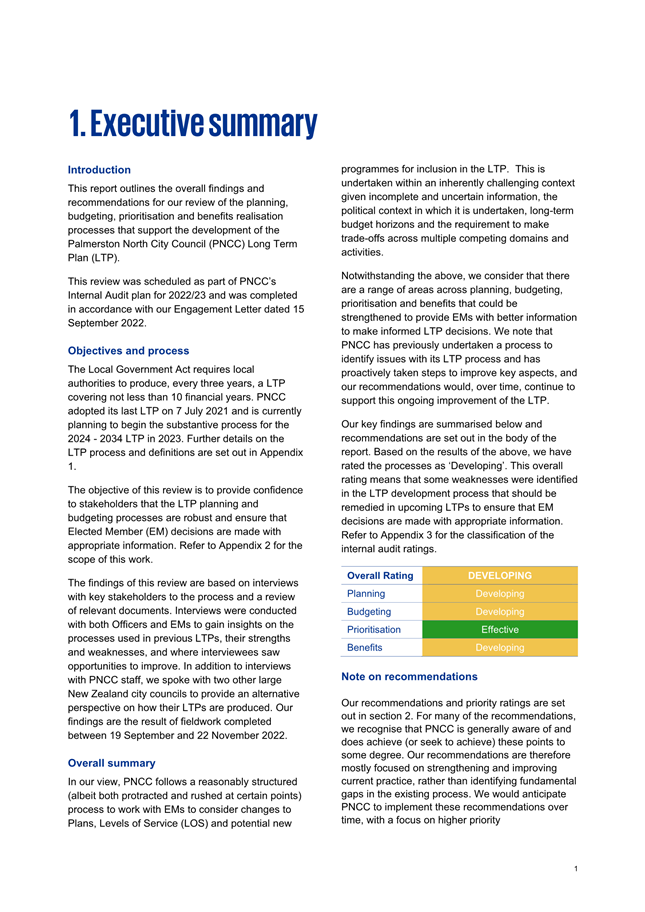
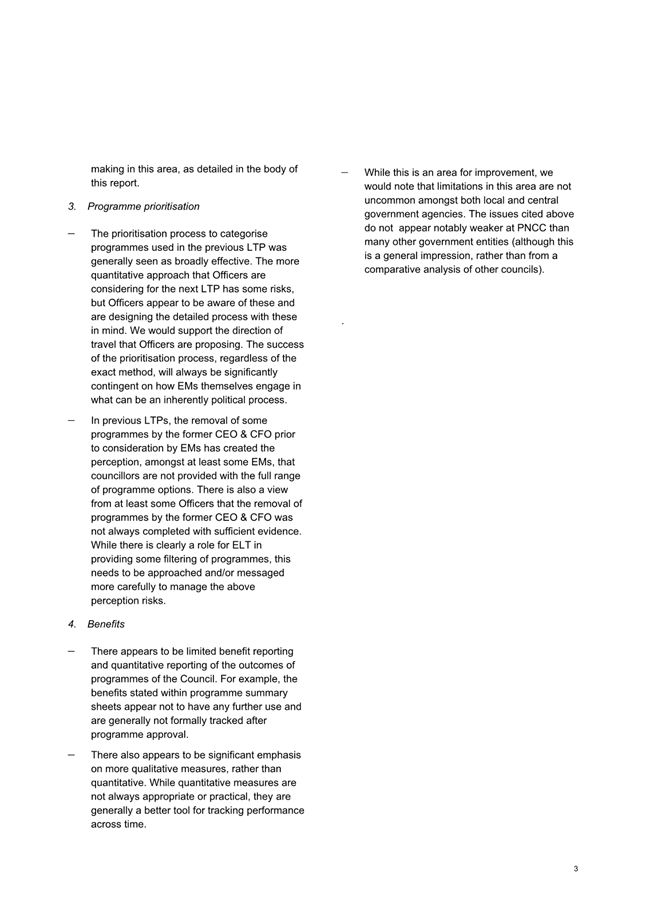
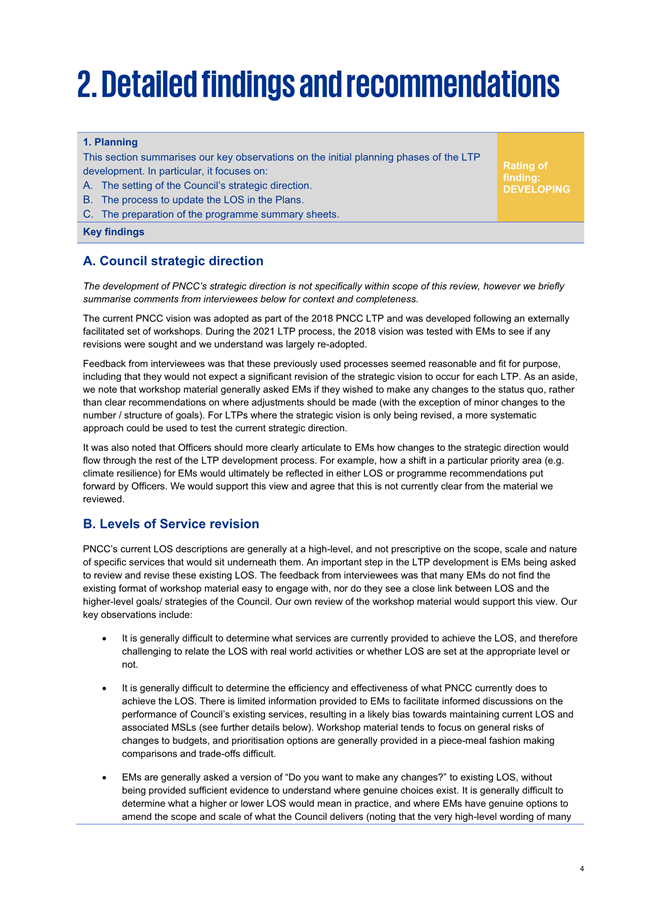
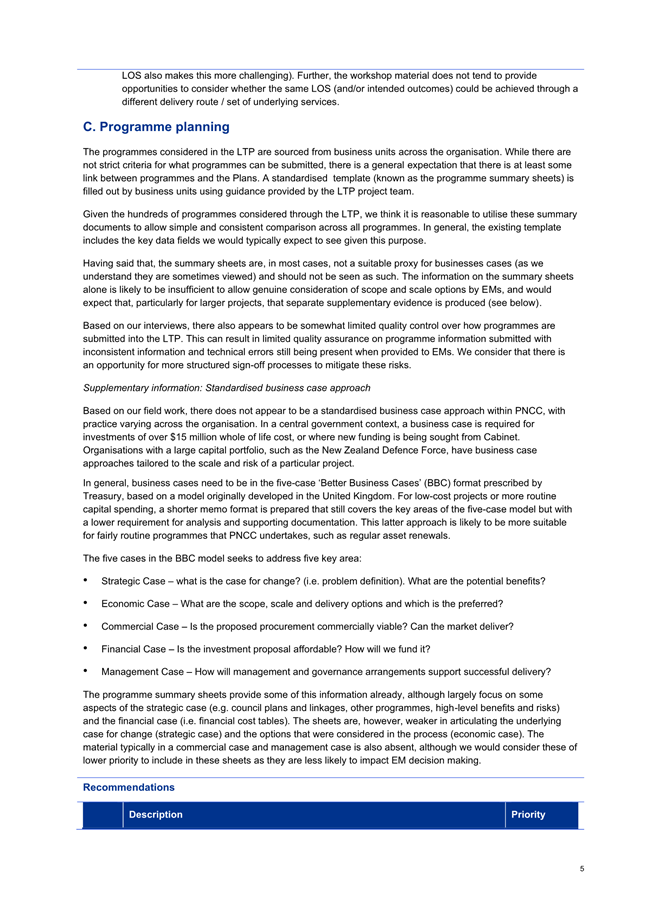
The key findings and
recommendations are set out in the body of the report attached. Based on the
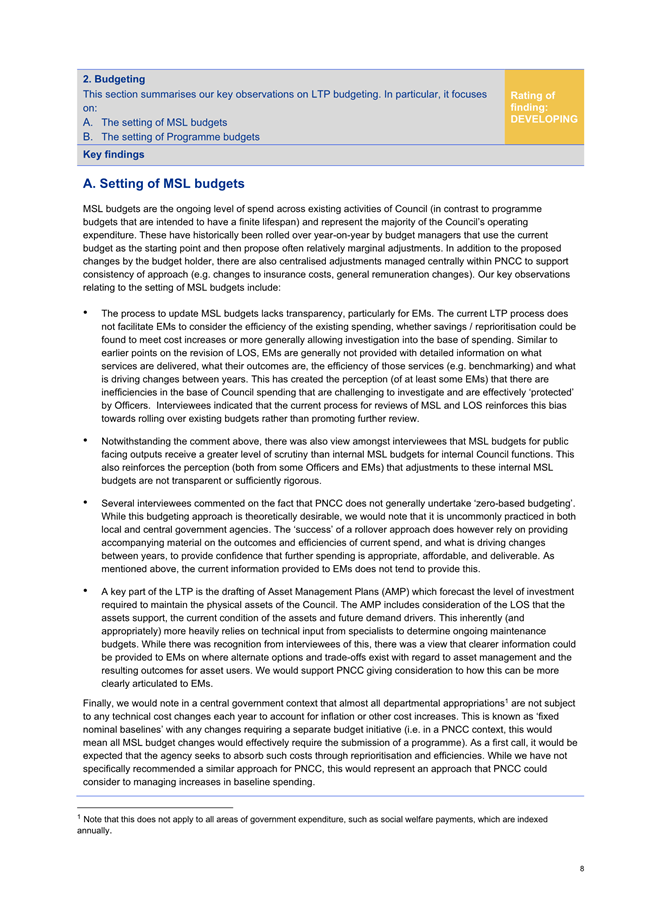
results, PNCC processes have overall been rated as ‘Developing’.
This overall rating means that some weaknesses were identified in the LTP
development process that should be remedied in upcoming LTPs to ensure that
Elected Member decisions are made with appropriate information and objectives
are achieved.
For many of the recommendations
it was recognised that PNCC was generally aware of the issue and already
working towards achieving the recommendation to some degree. Recommendations
are therefore focused on strengthening and improving current practice. PNCC should
look to implement these recommendations over time with a focus on high priority
items.
An action plan has not yet been
finalised. There are quite a few recommendations in this report that will be
rolled out over the next couple of LTPs. Therefore, it was deemed more
appropriate to gain insights from Management and Governance to see where the
priority should be placed for the upcoming LTP. Once gained, we will work with
Management to develop an action plan and present to Governance for approval.
3. Management comment by chief planning officer
Management acknowledges the findings and recommendations of
the KPMG Review. The issues raised by KPMG were also largely identified in the
Business Assurance Debrief of the 2021-31 LTP process. Many are already being
addressed through the 2024-34 LTP Project Plan.
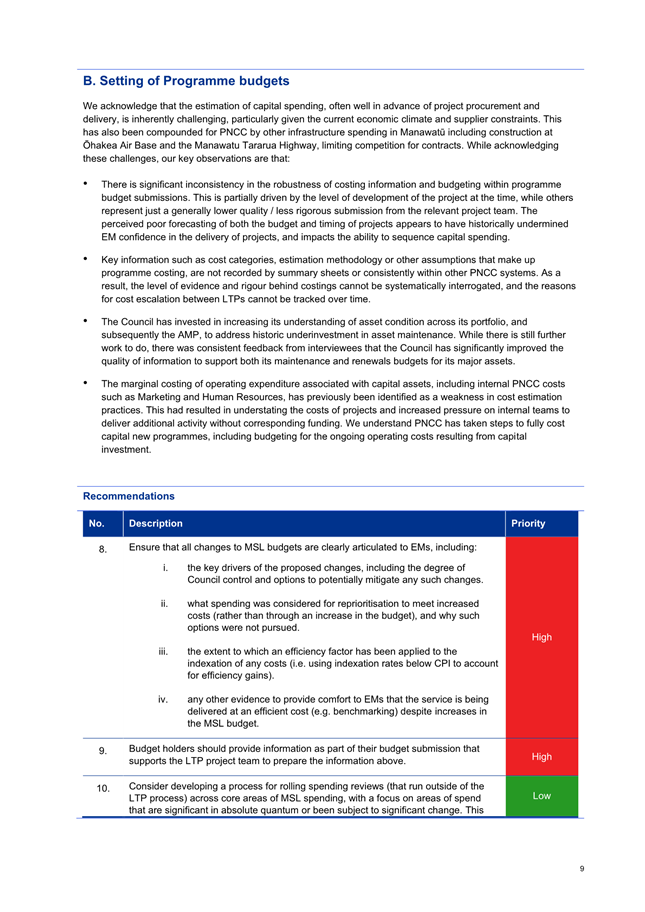
KPMG’s recommendations mostly focus on strengthening
and improving current practice, rather than identifying fundamental gaps in our
process. Many of the recommendations are about the quality of financial and
non-financial information for levels of service and programmes. Our suggested
approach will be to focus on the following three areas:
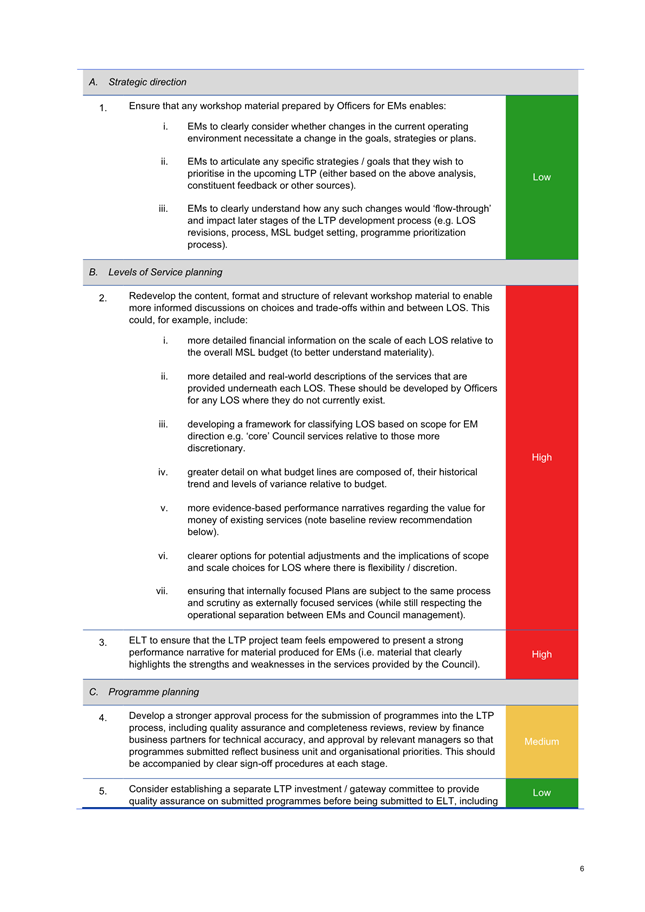
1. Improved
information on levels of service and maintained service level budgets. Give
Elected Members better information to make decisions about Activity[1] levels of
service and budgets throughout the LTP process.
For each Activity the information will show:
o The current level of service.
Why we provide it and the difference it makes to peoples’ lives.
o The cost of providing it. What
that cost is made up of.
o How and why the level of
service has changed over time. Why its costs have changed.
o Evidence that we are providing
the right level of service, and that we are providing it efficiently.
o If Elected Members want to
change a level of service, we will provide some costed options, with their
anticipated impacts.
The intention is to provide a meaningful narrative, rather
than to present detailed financials.
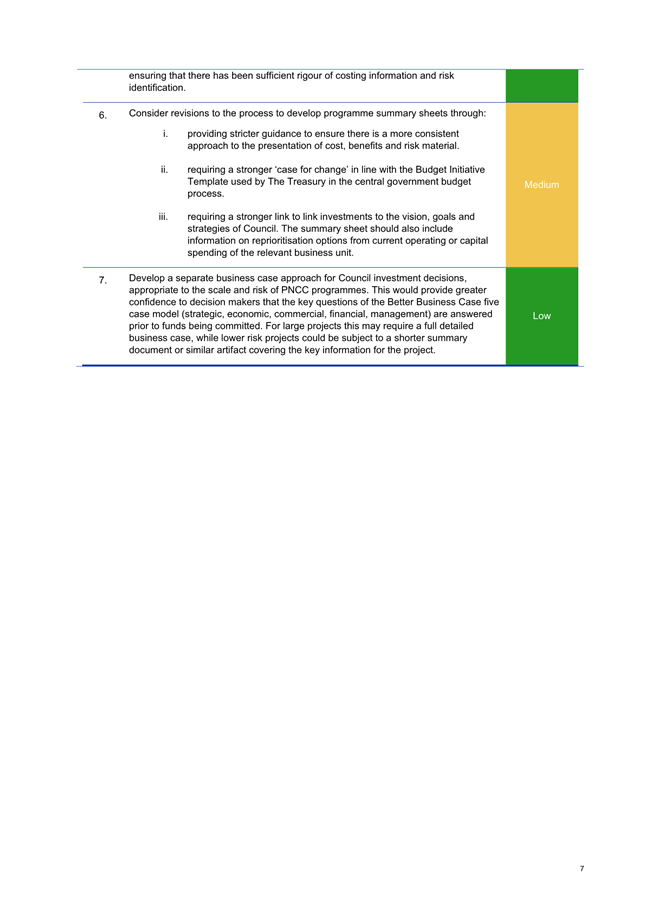
2. Improved
information on programmes. Provide Elected Members with improved programme
descriptions and justifications, especially for major projects in the 2024-34
LTP. Consider developing a full business case model as part of the next LTP.
3. Levels
of Service trade-offs. Ensure, through the previous two points, that
Elected Members have good information to consider levels of service and
programme trade-offs.
Then, as part of the debrief on
the 2024-34 LTP, we will reconsider all of KPMG’s recommendations to see
whether the improvements have met Elected Member (and other) expectations or
whether further improvements are needed.
4. NEXT STEPS
Once an action plan has been
finalised and agreed with Management, it will be presented to Council or Risk
& Assurance Committee (whichever is earlier) for approval.
5. Compliance and administration
|
Does the Council have delegated
authority to decide?
If Yes quote relevant clause(s)
from Delegations Manual
|
Yes
|
|
Are the decisions significant?
|
No
|
|
If they are significant do they
affect land or a body of water?
|
No
|
|
Can this decision only be made
through a 10 Year Plan?
|
No
|
|
Does this decision require consultation
through the Special Consultative procedure?
|
No
|
|
Is there funding in the current
Annual Plan for these actions?
|
Yes
|
|
Are the recommendations
inconsistent with any of Council’s policies or plans?
|
No
|
|
The recommendations contribute
to Goal 5: A Driven & Enabling Council
|
|
The recommendations contribute
to the achievement of action/actions in (Not
Applicable)
|
|
Contribution to strategic
direction and to social, economic, environmental and cultural well-being
|
This report is presented as a
business assurance activity in response to the business assurance plan
approved by Council.
|
|
|
|
Attachments
|
1.
|
LTP
Review Report ⇩ 
|
|
REPORT
TO: Council
MEETING DATE: 5
April 2023
TITLE: Sponsorship
request - New Zealand Food Awards
PRESENTED BY: Jessica
Ballinger, Marketing Manager
APPROVED BY: Donna
Baker, Acting Chief Executive Unit Manager
RECOMMENDATIONS TO
Council
1. That Council
confirm:
EITHER
OPTION ONE
Include a new programme of up to $64K over three years
to support the New Zealand Food Awards as part of the Annual Budget 2023/24
deliberations in May/June
OR
OPTION TWO
Increase existing Programme 1480 by up to $12K in
2023/24, $12K in 2024/25 and $30K in 2025/26, as part of the Annual Budget
2023/24 deliberations in May/June
OR
OPTION THREE
Decline request
2. That Council
note $12,000 is also committed in 2024/25 and $40,000 in 2025/26, should the
decision be OPTION 1 or OPTION 2 and the Programme confirmed as part of the
2023/24 Budget.
1. ISSUE
1.1 Massey
University annually hosts the New Zealand Food Awards. Should Council wish to
enter a sponsorship contract with Massey University, the Awards Gala dinner
will be held in Palmerston North in 2025.
1.2 The
sponsorship request is for Year 1 “Category Partner” (FY 23/24
$12,000), Year 2 “Category Partner” (FY 24/25 $12,000) and Year 3
“Strategic Partner” (FY 25/26 $40,000).
1.3 The
Support and Funding Policy does not allow for the Sponsorship Fund to be used
for more than half of the total fund for any one application. Therefore, this
application would be declined, as Officers could not agree Years 1 and 2
without also agreeing Year 3. Therefore, Officers are bringing this proposal to
Council for decision.
1.4 As
this proposal has come midway through the Annual Budget process, the
recommendation is to refer the final decision to budget deliberations. The
recommendation above also notes that any decision would commit the Council
across the new Long-Term Plan.
2. BACKGROUND
Sponsorship fund budget
2.1 The
Sponsorship Fund (Programme 1480) proposed for the 2023/24 Annual Budget is
$54,000. At February month-end the 2022/23 Sponsorship Fund was forecast to be
fully allocated, with a full quarter of the financial year remaining. Officers
expect a similar response to the contestable fund for 2023/24.
2.2 A
previous contract for the New Zealand Food Awards was signed committing the
event to be held in Palmerston North in 2021. Due to COVID-19 this event was
postponed and held in 2022.
2.3 The
Support and Funding Policy (section 17- Allocation) states:
“A maximum of $10,000 is available per application,
otherwise staff have the discretion to award up to 50% of total funding to an
eligible proposal.”
This proposal is above the policy limit.
2.4 The
Sponsorship Fund is subject to stipulations set out in the Support and Funding
Policy (below). The proposed sponsorship of the New Zealand Food Awards has
been assessed using the criteria
|
Support Priority
|
Assessment
|
Comment
|
|
Contribution
to Goal 1 of Council Strategic direction
|
Achieved
|
Food
innovation is a vital part of the city identity.
This
would support CEDA’s Manawatū Food Strategy referenced in Goal 1-
Economic Development Chapter and Councils Palmy identity - Palmerston North
becoming the food and innovation Capital of Aotearoa.
|
|
Is
innovative, delivering something new or addressing an issue that affects the
people of Palmerston north in line with Council’s strategic goals.
|
Partial
|
Difficult
to claim the event is innovative or new when it repeats annually.
|
|
Significant
regional or national importance
|
Achieved
|
Event
is of national importance to the sector.
|
|
Positively
profiles the city of Palmerston North
|
Partial
|
One of
three years in Palmerston North. In Year 1 & 2 Palmerston North are
category sponsors so would be recognised.
High
in Year 3
|
|
Provides
quantifiable benefit
|
Partial
|
Economic
impact to city is higher in Year 3 and lower in Years 1 & 2. In 2022, 44%
of attendees travelled from outside the region.
Risk
that the event remains in Auckland and Palmerston North food innovation image
is lessened as a consequence.
|
3. CONCLUSION
3.1 Food
and innovation are key sectors for the city to leverage, and a focus for this
event.
3.2 The
Sponsorship Fund for 2023/24 is expected to be fully subscribed even prior to receiving
this proposal.
3.3 Should
Council wish to prioritise this event, Officers would recommend that a separate
budget line be established (Option 1). Doing so clarifies the commitment and
would prevent disadvantage to other applications to the Sponsorship Fund in
future years.
3.4 Alternatively,
Option 2 allows for the Food Awards sponsorship proposal to be covered under
the current policy and increased funding to Programme 1480.
4. NEXT STEPS
4.1 Should
Council agree Option 1 or Option 2, Officers will include the recommendation
for Elected Members to consider in the budget debate on 31 May. Officers will
work with the New Zealand Food Awards team on promoting the city as the food
innovation hub for New Zealand.
Compliance and administration
|
Does the Council have delegated
authority to decide?
|
Yes
|
|
Are the decisions significant?
|
No
|
|
If they are significant do they
affect land or a body of water?
|
No
|
|
Can this decision only be made
through a 10 Year Plan?
|
No
|
|
Does this decision require
consultation through the Special Consultative procedure?
|
No
|
|
Is there funding in the current
Annual Plan for these actions?
|
No
|
|
Are the recommendations
inconsistent with any of Council’s policies or plans?
|
No
|
|
The recommendations contribute
to Goal 1: An Innovative and Growing City
|
|
The recommendations contribute
to the achievement of action/actions in Economic Development
|
|
Contribution to strategic
direction and to social, economic, environmental and cultural well-being
|
Contribution to economic benefit
is outlined above.
|
|
|
|
Attachments
NIL
REPORT
TO: Council
MEETING DATE: 5
April 2023
TITLE: Draft
Water Supply Bylaw 2023 - approval for consultation
PRESENTED BY: Lili
Kato, Policy Analyst, and Peter Ridge, Senior Policy Analyst
APPROVED BY: David
Murphy, Chief Planning Officer
RECOMMENDATIONS TO
Council
1. That Council
approve the draft Palmerston North Water Supply Bylaw 2023 for consultation
(Attachment 1).
2. That Council
delegate authority to the Chief Planning Officer to approve minor amendments to
the consultation document prior to publication.
Summary of options analysis for the
draft water supply bylaw
|
Problem
or Opportunity
|
Council is required under the
Local Government Act 2002 to review the Water Supply Bylaw 2015 within five
years of it being adopted. This review was conducted in 2020, and on 25 March
2020 Council made the following resolution:
‘That
the Chief Executive is instructed to draft an amended Water Supply Bylaw
which addresses the perceived problem of providing a reliable efficient water
supply system that maintains public health and safety and preserves the
environment.’
The draft Water Supply Bylaw
provided in this report responds to this resolution.
|
|
OPTION 1:
|
Approve the draft Water Supply
Bylaw and Administration Manual 2023 for public consultation (recommended)
|
|
Community
Views
|
Community views have not yet been
sought.
|
|
Benefits
|
Community feedback into an
updated local legal framework that regulates the water supply network.
|
|
Risks
|
The Three Waters National
Transition Unit has indicated that it will begin working towards replacing
bylaws which could overlap with this consultation process.
|
|
Financial
|
Costs can be met within current
budgets.
|
|
OPTION 2:
|
Continue the current water supply
bylaw in accordance with section 160(3)(b) of the Local Government Act 2002
(and consult accordingly)
|
|
Community
Views
|
Community views have not yet been
sought.
|
|
Benefits
|
No significant benefits have been
identified.
|
|
Risks
|
Council will be consulting on a
current bylaw that does not include any of the potential improvements
identified. If the consultation process identifies changes that Council would
like to make, then further consultation will be required.
|
|
Financial
|
Costs can be met within current
budgets.
|
|
OPTION 3:
|
Defer approval to consult on
the water supply bylaw until the uncertainties with the Three Waters reforms
are clarified
|
|
Community
Views
|
Community views have not yet been
sought.
|
|
Benefits
|
Council will have clarity on
timeframes imposed by the new entity, and the regulatory tools that will be
employed.
|
|
Risks
|
Identified improvements to the
bylaw may be deferred or lost. Lost opportunity in the short term to embed
improvements and changes not being adopted in the long term.
|
|
Financial
|
Costs can be met within current
budgets.
|
Rationale for the recommendations
1. Overview of the problem or opportunity
1.1 The
draft Water Supply Bylaw 2023 and Water Supply Bylaw Administration
Manual 2023 respond to the outcome of a bylaw review (required by the Local
Government Act 2002) conducted in 2020. The report provides the opportunity for
the 25 March 2020 resolutions by Council to be met.
Three Waters Reforms
1.2 Since
2019 the Government has made a suite of changes to three waters regulations.
Taumata Arowai was established as the centralised regulator to oversee,
administer and enforce a new drinking water regulatory system. One of the three
proposed Bills which give effect to system-wide reforms to water delivery
services has been passed into law – The Water Services Entities Act
2022. This Act does not make water supply bylaws immediately or
imminently redundant.
1.3 The
Water Services Legislation Bill is currently proceeding through the house and
is scheduled to be adopted into law later this year. This Bill will give the
boards of the waters services entities the ability to create binding
instruments (similar to our existing bylaws) in the establishment period (from
December 2022 until the establishment date - 1 July 2024). The Board can create
new instruments for all or part of the entity area, or it can adopt existing
bylaws in the applicable entity area (with or without amendment). If it
adopts an existing bylaw for an existing area and does not materially change
the effect of that bylaw, then no further consultation is required.
1.4 Under
the current law water supply bylaws remain the legal instrument to regulate the
distribution of treated water around the City, and the relationship between
water supply customers and Council as service provider.
2. Background and previous council decisions
2.1 The
current Water Supply Bylaw 2015 was reviewed in 2020 as required by the Local Government
Act 2002 (‘LGA 2002’). On 25 March 2020 Council resolved:
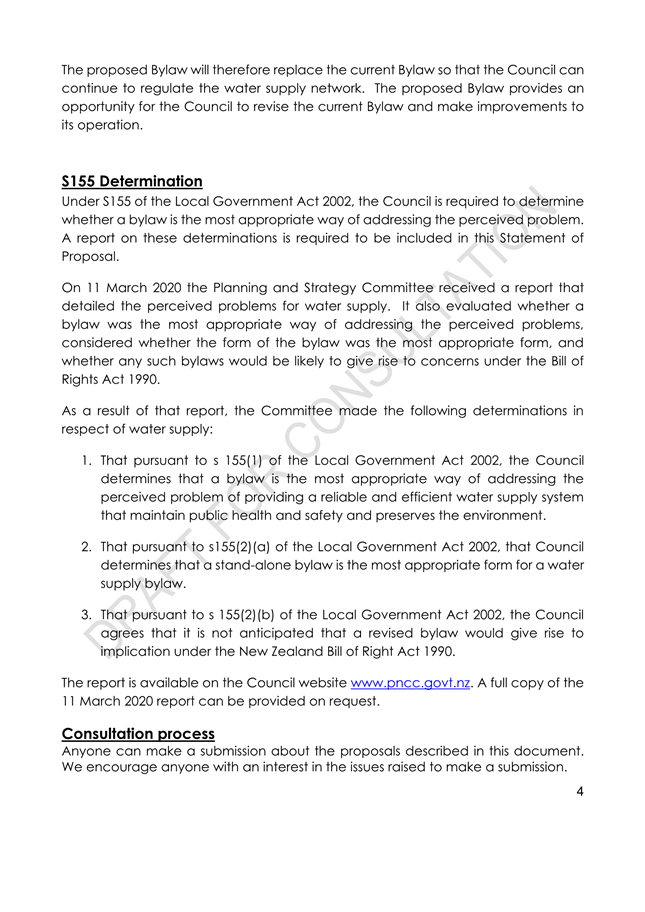
1. That
pursuant to s 155(1) of the Local Government Act 2002, Council determines that
a bylaw is the most appropriate way of addressing the perceived problem of
providing a reliable and efficient water supply system that maintains public
health and safety and preserves the environment.
2. That
pursuant to s155(2)(a) of the Local Government Act 2002, Council determines
that a stand-alone bylaw is the most appropriate form for a water supply bylaw.
3. That
pursuant to s 155(2)(b) of the Local Government Act 2002, Council agrees that
it is not anticipated that a revised bylaw would give rise to implication under
the New Zealand Bill of Rights Act 1990.
4. That the Chief
Executive is instructed to draft an amended Water Supply Bylaw which addresses
the perceived problem of providing a reliable efficient water supply system
that maintains public health and safety and preserves the environment.
2.2 The
length of time that has lapsed since these resolutions is due to Covid-19
related delays and staff turnover.
3. Description of options
3.1 The
primary purpose of this report is to present Council with a draft water supply
bylaw and to seek approval to publicly consult on this draft. The options are
to approve the draft bylaw for public consultation, to continue the current
bylaw instead, or to defer a decision until the uncertainties of the Three
Waters reforms are clarified.
4. Analysis of options
Option 1:
Approve the draft water supply bylaw and administration manual for consultation
(recommended)
4.1 Option
1 is the next step towards completing the bylaw development process and in line
with legislative requirements to publicly consult. Staff have made improvements
to the current bylaw and in line with best practice are seeking feedback from
the community on whether we got it right. Following consultation, the draft
bylaw, with any amendments, will be recommended to replace the current bylaw.
4.2 The
intent and principles of the draft bylaw remain the same, but improvements have
been proposed to the structure and wording to improve clarity of purpose,
readability, and implementation. The following is a summary of the changes:
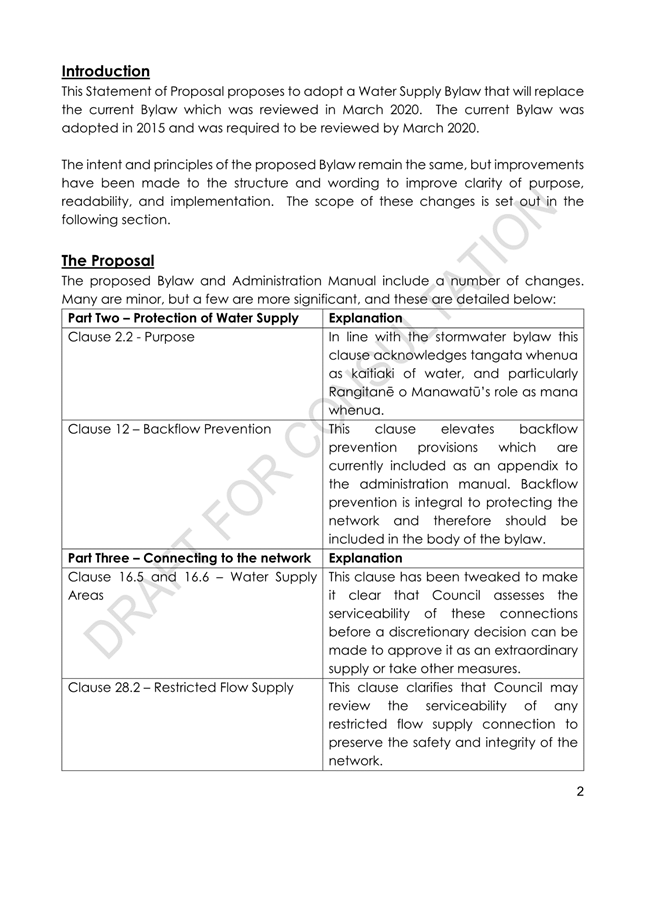
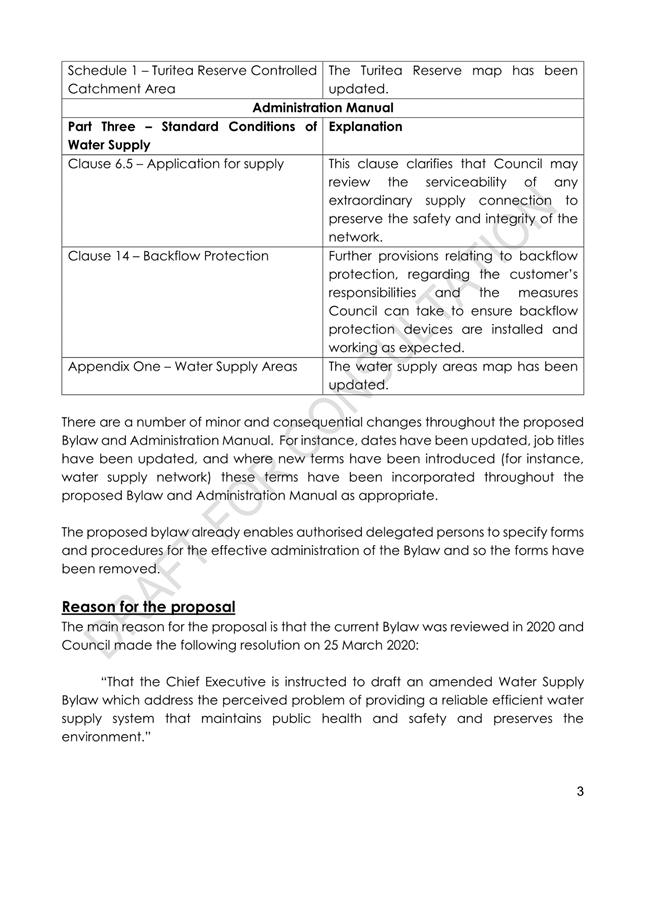
- An
acknowledgement that tangata whenua are kaitiaki of water, and particularly
Rangitanē o Manawatū’s role as mana whenua.
- Drafting
backflow provisions within the bylaw instead of as a separate appendix.
- Clarifying
Council’s ability to review extraordinary and restricted flow supply
connections to ensure the safety and integrity of the network.
- Improving
cross reference between the bylaw and administration manual.
- Updating
maps.
- Removing
forms and duplicated appendices.
4.3 The
main benefit of choosing Option 1 is giving the community the opportunity to
provide feedback on a local legal framework that regulates Council’s
water supply network. Council is the largest drinking water supplier in
Palmerston North overseeing:
- Two dams at
Turitea Reserve;
- Eight water
supply bores;
- The Turitea
water treatment plant that treats water collected at the dams;
- A
distribution network which includes 566km of main pipelines, 196km of service
lines, 4,894 valves, 3201 hydrants, 2098 meters, 448 backflow preventers and
31,390 connections to properties.
4.4 The
risk of choosing Option 1 is that it may overlap with work that the National
Transition Unit has indicated it will begin carrying out in relation to bylaw
replacements. The Water Services Legislation Bill (currently with Select
Committee and expected to become law by mid-2023) will be the legislative
instrument that gives the entities the power to regulate the water services it
is responsible for. The practicalities and timing for how this will be carried
out remain unknown.
Option 2: Continue the current bylaw in
accordance with Section 160(3)(b) of the Local Government Act 2002 (and consult
accordingly)
4.5 Option
2 is an available course of action if Council decides to not pursue an
amendment or replacement through the draft bylaw. If Council adopt Option 2
then a resolution will be required to rescind the 25 March 2020 resolution to
develop a replacement bylaw. Section 160 of the Local Government Act 2002
requires us to consult if we decide that the current Bylaw should continue
without amendment.
4.6 There
are no significant benefits identified for this option, and therefore it is the
least preferred option.
4.7 The
risk of choosing this option is that Council will be consulting on an existing
bylaw that was adopted in 2015 but does not include any proposed changes for
improvement. If the consultation process does identify improvements to the
bylaw that the Committee or Council would like to include then further
consultation may be required which will lead to delays in adoption and
implementation.
Option 3: Defer approval to consult on the
water supply bylaw until the uncertainties with the Three
Waters reforms are clarified
4.8 If
Council is opposed to directing any further resource to this bylaw for the time
being, then Option 3 is a possible course of action. Section 160(3) of the LGA
2002 does not specify a time in which Council needs to choose a course of
action following the review. Therefore, doing nothing following the review does
not affect Council’s ability to continue to regulate water supply under
the current bylaw. The current bylaw will still be in effect until 2030,
or when it is superseded by rules imposed by the Water Services Entities.
4.9 The
benefit of choosing this option is that Council will be more informed in terms
of how the handover for regulating the water supply network will proceed. At
this time there is little detail available, particularly regarding the
timeframes and mechanism of how bylaws will be replaced. In the
short-term Council can direct resources to other priorities, while still having
the ability to revisit the work should there be significant change to the
planned bylaw replacement. This would avoid taking the draft bylaw through
consultation deliberation and adoption, and implementation phases, that will
require input from a team of staff and other resources.
4.10 The risk
in choosing this option is a lost opportunity to future-proof the bylaw now,
and therefore identified improvements to the bylaw would be lost or delayed.
The Three Waters landscape is continually changing, and benefits of Option 3
are contingent on the reforms proceeding as planned. The outcome of the general
election (scheduled for October 2023) may impact the future of the Three Waters
reforms.
5. Conclusion
5.1 Approving
the draft Water Supply Bylaw and Administration Manual for public consultation
(Option 1) is recommended. This will allow the process of making a new bylaw to
proceed and be adopted in June 2023. Formal consultation will provide the
opportunity to receive submissions on the proposal.
6. Next actions
6.1 If
the Council approves the draft bylaw for public consultation, then the
Statement of Proposal will be finalised for publication and the consultation
process will begin.
6.2 A
consultation plan will be developed and implemented providing opportunities for
feedback on the proposal.
6.3 The
proposed consultation period will run for a month over April 2023. The hearing
of submissions is planned for May 2023. A final report, with staff advice on the
issues raised by submitters, and recommendations on proposed changes to the
draft Bylaw and Administration Manual, will be presented to Council in June
2023. If adopted by Council, implementation will begin from 1 July 2023.
7. Outline of community engagement process
7.1 under section 156 of the LGA 2022 the
Council is required to use the special consultative procedure if the bylaw
concerns a matter identified in the Significance and Engagement Policy as being
of significant interest to the public, or the Council considers that there is a
significant impact on the public due to the proposed bylaw.
7.2 Based
on the assessment of the specific requirements under the LGA 2022 for bylaw
making, and taking into account the Significance and Engagement Policy, the
special consultative procedure will be used for consultation on the draft Water
Supply Bylaw.
7.3 The
consultation document provided in Attachment one includes the Statement of
Proposal, the reasons for the proposal, and the determinations made by Council
under Section 155 of the LGA 2022.
Compliance and administration
|
Does the Council have delegated
authority to decide?
|
Yes
|
|
Are the decisions significant?
|
No
|
|
If they are significant do they
affect land or a body of water?
|
No
|
|
Can this decision only be made
through a 10 Year Plan?
|
No
|
|
Does this decision require
consultation through the Special Consultative procedure?
|
Yes
|
|
Is there funding in the current
Annual Plan for these actions?
|
Yes
|
|
Are the recommendations
inconsistent with any of Council’s policies or plans?
|
No
|
|
The recommendations contribute
to Goal 4: An Eco City
|
|
The recommendations contribute
to the achievement of action/actions in Waters
The action is: Complete the
review of the Water Supply Bylaw
|
|
Contribution to strategic
direction and to social, economic, environmental and cultural well-being
|
An appropriate bylaw to
determine the management of the city’s water supply will protect and
provide a sustainable water supply network.
|
|
|
|
Attachments
|
1.
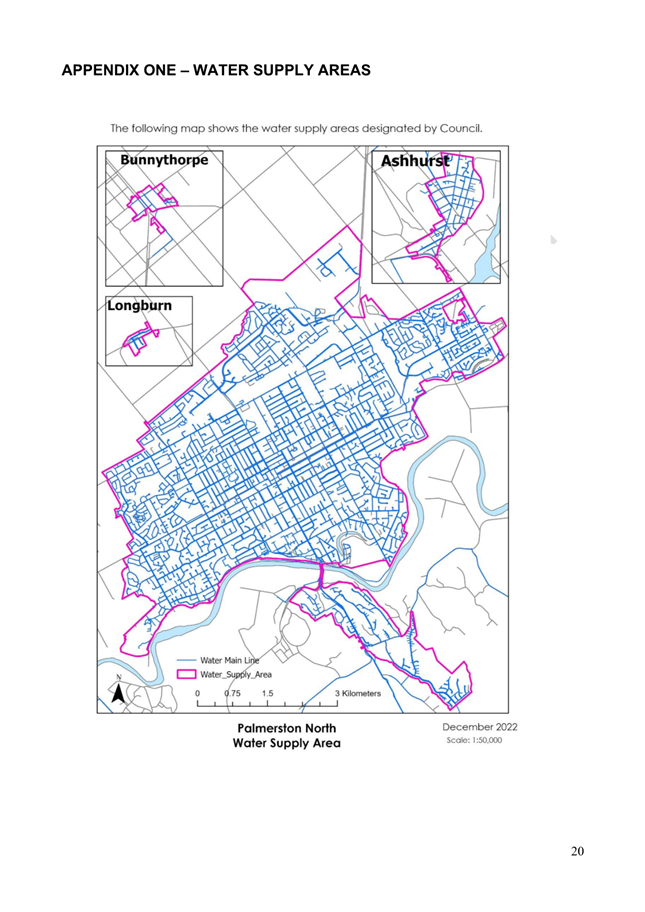
|
Statement
of Proposal - Draft Water Supply Bylaw 2023 ⇩ 
|
|
Memorandum
TO: Council
MEETING DATE: 5
April 2023
TITLE: Further
information on Council land options for an artificial turf (Long Term Plan
Programme 1133 - Sportsfields – Artificial Football Pitch)
Presented
By: Ann-Marie
Mori, Policy Analyst and Aaron Phillips, Activities Manager - Parks
APPROVED BY: David
Murphy, Chief Planning Officer
Bryce Hosking, Acting Chief Infrastructure Officer
RECOMMENDATION TO Council
1. That the
Council receive the memorandum titled ‘Further information on Council
land options for an artificial turf (Long Term Plan Programme 1133 –
Sportsfields – Artificial Football Pitch) presented to Council on 5 April
2023.
1. ISSUE
1.1 This
memo provides further information about Council sites that have been considered
through the planning and investigative work on the proposal for an artificial
turf as part of a regional ‘Home of Football’. The memo provides a
high-level assessment of these sites, along with an overview of the financial
implications of an artificial turf located on Council land.
1.2 The
memo is in response to the resolution of the Culture and Sport Committee on 8
March “That the Chief Executive consider an artificial turf on Council
land and report back to this Committee”. This information has been
brought forward to Council to expedite any further consideration of this
matter.
1.3 The
information in this memo should be read in conjunction with the report titled Artificial
Turf Feasibility Study (Long Term Plan Programme 1906) presented to the
Culture and Sport Committee on 8 March 2023.
2. BACKGROUND
2.1 In
2014/15 the Central Football Federation requested Council support for an
artificial football turf as part of a ‘Football Centre of
Excellence’.
2.2 Council
made provision for an artificial football turf in the 2015/25 Long Term Plan
(programme 1133 – Sportsfields – Artificial Football Pitch).
2.3 In
2017 Central Football’s submission to the 2017/18 Annual Plan raised the
‘Home for Football for the Manawatū’ concept, indicating a
preference for this to be developed at Massey University.
2.4 New
Zealand Football’s National Facilities Strategy 2010-2021 (updated in
2016) sets out aspirations for each of the seven Federations. Creation of
a Home of Football was identified as a strategic direction for the Central
Football Federation. A ‘Home of Football’ is a cluster of
facilities in one location, including an artificial football turf, to support
the training, competition, and player development needs of football in a
region.
2.5 From
2010 to 2018 several Council and non-Council sites were scoped at various levels
of detail to help determine a preferred location for an artificial turf as part
of the Home of Football. These are discussed more in section 3 of this
memo.
2.6 A
location selection process for an artificial football turf was undertaken in
2018, however, the decision on a location was deferred by Council and the
decision made for there to be more research of the financial implications and
demand (and for this work to align with the direction in the Manawatū-Whanganui Regional Sport Facilities Plan).
2.7 Council
funded a needs assessment and then a feasibility study by specialist sport and
recreation consultants Recreation, Sport, Leisure Consultancy (RSLC). This
process followed the Regional Sport Facilities Plan’s Investment
decision-making process endorsed by Council in 2018. The purpose of the RSLC
work was to determine the need for an additional artificial surface and to
examine the viability.
2.8 In
2020 the RSLC Needs Assessment for an additional turf confirmed that there was
a need to explore options to address the shortfall in capacity for winter code
training. An artificial turf is the most efficient way of increasing
training capacity.
2.9 The
subsequent RSLC feasibility study assessed various sites for an artificial
football turf as part of the original Home of Football proposal. The
feasibility report supported the initiation of discussions with Massey
University with a view to forming a partnership for an artificial turf to
support both the original Home of Football proposition and assist with meeting
training needs.
2.10 The
recommendations in the Feasibility Study formed the basis for recommendations
to the Culture and Sport Committee on 8 March 2023. However, when this research
was presented to the Culture and Sport Committee, the Committee resolved:
Resolution
8-23
That Council note the feasibility study report found that an artificial
football turf is feasible at Massey University, in partnership with Central
Football and Massey University, as part of a ‘Home for Football’ in
the Manawatū.
That the Chief Executive consider an artificial turf on Council land and report
back to this Committee.
3. COUNCIL SITES CONSIDERED DURING EARLIER PHASES
OF THE PROJECT
3.1 This
section describes and expands on the investigation undertaken to consider the
location and viability of an artificial turf (within the context of a Home of
Football) at various sites, including Council-owned options.
3.2 Consideration
was given to various sites and the benefits that partnership arrangements can
bring to facility development proposals. Partnership arrangements could create
greater day-use of any new facilities along with shared capital, operational
and renewal costs. Exploration of partnership options were considered to
achieve the external funding component required by Programme 1133.
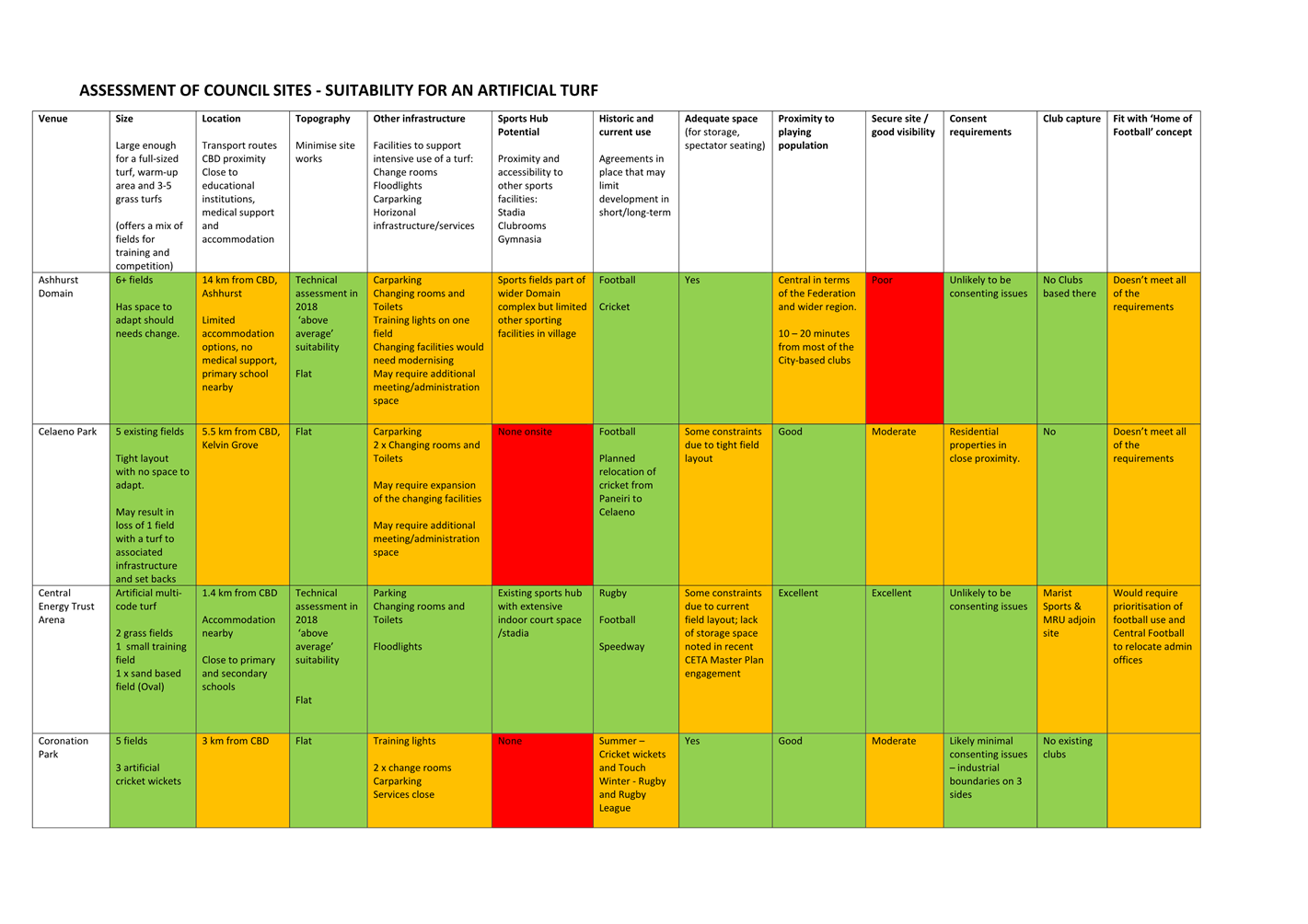
3.3 Seven
Council sites were considered in various levels of detail. These were:
· Ashhurst Domain (assessed in Artificial Football Field Location Options
Preliminary Feasibility and Cost Assessment to assist with a location
decision process in 2018; this site was noted in the recent Feasibility
Study but not assessed further with preference given to Central Energy Trust
Arena and its strategic position as the City’s primary multi-sport hub).
· Celaeno Park
(assessed in the 2022 Feasibility Study in conjunction with Cornerstone
Christian School’s proposal to locate an
artificial turf on the school site with supporting grass fields at Celaeno Park).
· Central Energy
Trust Arena (assessed in Artificial Football Field
Location Options Preliminary Feasibility and Cost Assessment to assist with
a location decision process in 2018; fully assessed in the 2022 Feasibility Study).
· Coronation Park
(early scoping assessment only).
· Hokowhitu Park
(early scoping assessment only).
· Monrad Park (early
scoping assessment only); and
· Skoglund
Park (assessed in the 2022 Feasibility Study alongside Freyberg High
School’s proposal for an artificial turf located on the school site with
the supporting grass fields at Skoglund Park).
4. summary of ASSESSMENT
OF COUNCIL SITES – suitaBility for an
artificial turf
4.1 In
response to the request by the Committee, further assessment of the sites
described above was carried out (informed by the criteria developed for the
recent Feasibility Study by RSLC).
4.2 Each
site was assessed in terms of the availability of grass sportsfield space in
addition to a new artificial turf, location and accessibility, topography,
supporting infrastructure (e.g. parking, toilets, floodlights), and current use
(including potential displacement of existing users).
4.3 The
table below shows a ‘traffic-light’ summary of the Council sites
described above with more information on each of the criteria provided in
attachment 1:
|
Venue
|
Size
|
Location
|
Topography
|
Other infrastructure
|
Sports Hub Potential
|
Historic/ current use
|
Adequate space
|
Proximity to players
|
Secure site / good visibility
|
Consenting
|
Club capture
|
Fit with Home of Football
|
|
Ashhurst Domain
|
|
|
|
|
|
|
|
|
|
|
|
|
|
Celaeno Park
|
|
|
|
|
|
|
|
|
|
|
|
|
|
CETArena
|
|
|
|
|
|
|
|
|
|
|
|
|
|
Coronation Park
|
|
|
|
|
|
|
|
|
|
|
|
|
|
Hokowhitu Park
|
|
|
|
|
|
|
|
|
|
|
|
|
|
Monrad Park
|
|
|
|
|
|
|
|
|
|
|
|
|
|
Skoglund Park
|
|
|
|
|
|
|
|
|
|
|
|
|
Key:
|
|
Does
not meet identified criteria
|
|
|
Partially
meets identified criteria
|
|
|
Fully
meets identified criteria
|
4.4 This
high-level assessment shows that, while no site fully meets all the criteria,
there is potential for an artificial turf to be constructed on Council
land. Central Energy Trust Arena meets more of the criteria than the
other Council sites.
4.5 Most
of the sites could support an artificial turf alongside other grass sports
fields, however none of the Council sites would fully support Central
Football’s original proposal for an artificial turf in the context of a
‘Home of Football’.
5. OVERVIEW OF FINANCIAL AND OPERATIONAL
IMPLICATIONS OF A TURF ON COUNCIL LAND
5.1 Financial
planning for this proposal relies on some assumptions. The initial
‘capital – new’ budgets included in the 2015-2025 LTP were
based on a new turf being constructed on Council land with a 50% contribution
of external funding. Subsequent reports to Council have highlighted the
potential for a partnered opportunity and that the funding model could change.
5.2 Financial
Programme 1133 (in the 2021-2031 LTP) has been treated as a
‘placeholder’ recognising the need to project any operational
impacts of a capital programme while also managing uncertainty about a
confirmed location. The current provision in the Draft Annual Budget 2023/24
is:
· Design and
consenting costs for a new artificial turf of $199,000 in 2023/24 (funded
through both a 50% Council contribution and other 50% being met by grants and
subsidies); and
· A
capital cost of $2,158,698 for a new turf funded
through both a 50% Council contribution and 50% being met by grants and
subsidies (i.e. external funding) in 2024/25.
5.3 A
high-level summary of the financial considerations for Council-owned locations
(from the RSLC report Palmerston North City Council Artificial Turf Feasibility
Study) included the following:
· The total capital
cost for an artificial turf will depend on the existing infrastructure but
could range from $2.2M - $2.7M.
· A contribution of
50% of the capital cost would be required from external funders.
· All operational,
maintenance and renewal costs would be the responsibility of Council.
· Annual estimated
operating costs of $30K per annum would be offset by estimated revenue of $42K
per annum.
· Council
would be responsible for day-to-day management, and would retain the revenue,
unless some other arrangement was made with another party (such as Central
Football).
6. CONCLUSION
6.1 This
report provides a summary of the investigation and assessment of Council land
in response to the recent Feasibility Study.
6.2 The
high-level assessment shows that, while no site fully meets all the criteria,
there is potential for an artificial turf to be constructed on Council land.
Central Energy Trust Arena meets most of the criteria and is the most suitable
Council-owned site for an artificial turf.
6.3 The
update of the Central Energy Trust Arena Masterplan is currently underway. The
review will consider previous research and engagement to inform recommendations
about the specifications of any new turf.
6.4 Most
of the assessed sites could support an artificial turf alongside other sports
fields, however, none of the Council sites would fully support Central
Football’s original proposal for an artificial turf in the context of a
Home of Football.
7. Compliance and administration
|
Does the Council have delegated
authority to decide?
If Yes quote relevant clause(s)
from Delegations Manual
|
Yes
|
|
Are the decisions significant?
|
No
|
|
If they are significant do, they
affect land or a body of water?
|
No
|
|
Can this decision only be made
through a 10 Year Plan?
|
No
|
|
Does this decision require
consultation through the Special Consultative procedure?
|
No
|
|
Is there funding in the current
Annual Plan for these actions?
|
Yes
|
|
Are the recommendations
inconsistent with any of Council’s policies or plans?
|
No
|
|
The recommendations contribute
to Goal 2: A Creative and Exciting City
|
|
The recommendations contribute
to the achievement of action/actions in Active
Communities
The action is: Plan and build an
artificial football turf
|
|
Contribution to strategic direction
and to social, economic, environmental, and cultural well-being
|
This further assessment on
Council land options for an artificial turf has been carried out to inform
Council’s decision-making processes. Provision of an artificial turf
contributes to improving social well-being and Council’s goal of being
a more active community.
|
|
|
|
Attachments
|
1.
|
Assessment
of Council sites- Suitability for an artificial turf ⇩ 
|
|
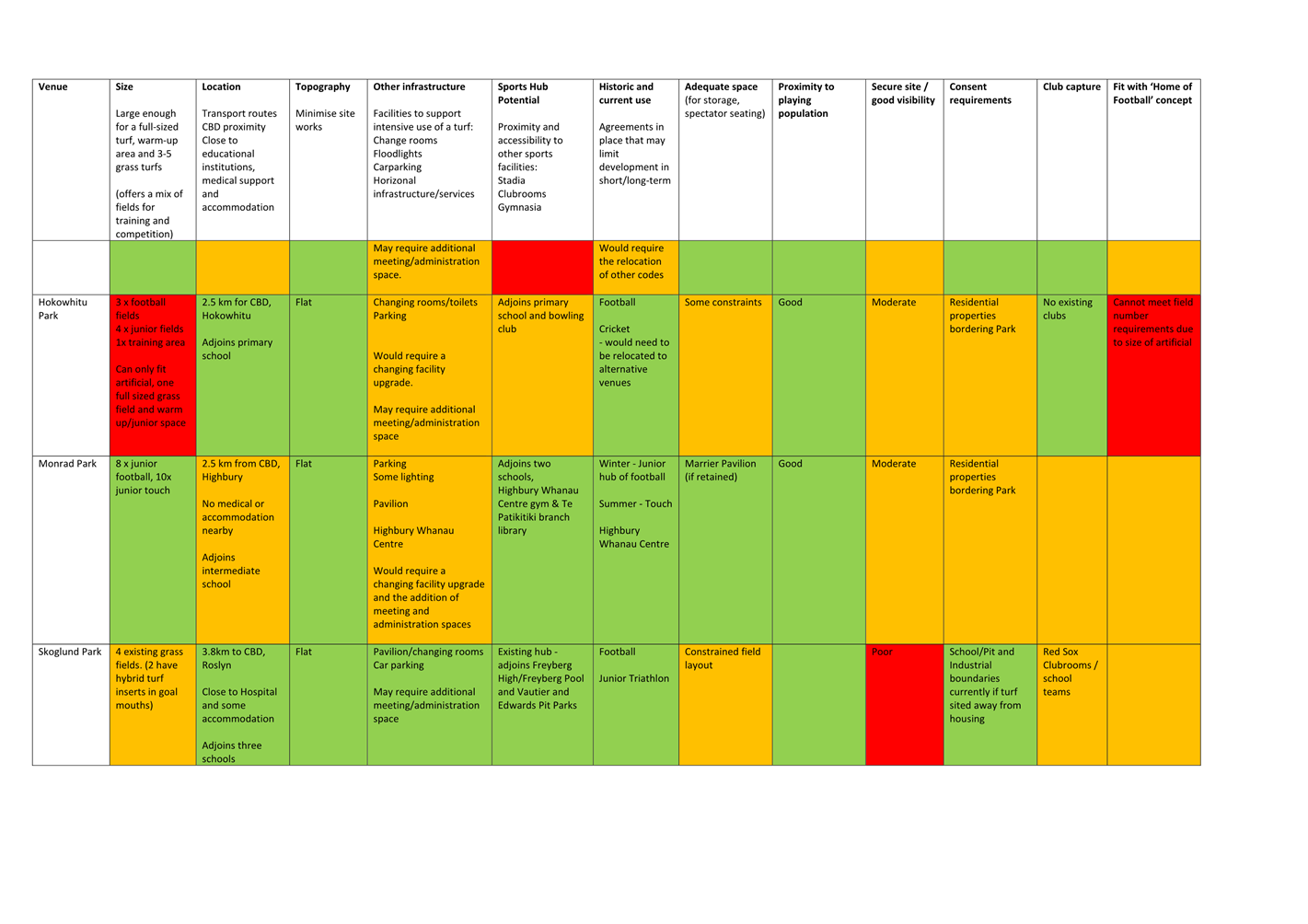
Memorandum
TO: Council
MEETING DATE: 5
April 2023
TITLE: Freedom
Drive Road Reserve
Presented
By: Bryce
Hosking, Acting Chief Infrastructure Officer
APPROVED BY: Waid
Crockett, Chief Executive
RECOMMENDATION TO Council
1. That Council
approve the dedication of the current Local Purpose Reserve (Road)
described as Lot 44 DP 559569, which is owned by Palmerston North City Council,
as ‘Road’ within the Freedom Drive subdivision.
1. ISSUE
1.1 A
resolution is required to dedicate a section of land, which is owned by
Palmerston North City Council as Local Purpose Reserve (Road), as Road outright
within the Freedom Drive subdivision.
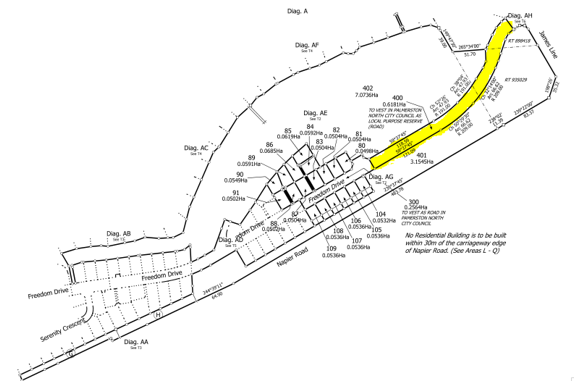
1.2 This
matter is pursuant to Section 111 of the Reserves Act 1977 and as such requires
a resolution from Council for the Local Purpose Reserve (Road) to be dedicated
as Road.
1.3 The
recommendation will allow access for the new lots proposed to adjoin this section
of Freedom Drive without requiring right of way easements (and potentially
other services related easements) across the Local Purpose Reserve (Road). The
alternative is not practical nor standard practice, as it would require public
consultation under other provisions of the Reserves Act if any such easements
were needed to be registered against the title for this reserve land.
1.4 The
proposed change in reserve status is considered administrative in nature. A
resolution records the intended status of the land now that the road has been
constructed to Council’s standards, and to remove the need for right of
way (and potentially other services related) easements.
2. BACKGROUND
2.1 In
April 2021, during the review of the developer’s resource consent for
stage 4B of the Freedom Drive Subdivision, Council took measures to ensure that
Freedom Drive would connect all the way through from Roberts Line to James Line
at the completion of the subdivision. Council therefore required Lot 400 on
Deposited Plan 559569 to be vested in the Council as Local Purpose Reserve
(Road).
2.2 Lot
400 on Deposited Plan 559569 was vested in the Council as Local Purpose Reserve
(Road) on 16 February 2022 and Record of Title 985570 was issued.
2.3 The
reason this land was not vested as Road at that time was because the
construction of the road had not commenced (and was not intended to commence
until a later stage of the subdivision); it was simply a metal track.
2.4 The
developer has now constructed the road within Lot 400 to Council’s
development standards and is seeking acceptance for the completion of the
engineering works as part of the title approval process.
3. NEXT STEPS
3.1 The
Local Purpose Reserve (Road) will be dedicated as road as part of the title
approval process with LINZ (Land Information New Zealand).
4. Compliance and administration
|
Does the Council have delegated
authority to decide?
|
Yes
|
|
Are the decisions significant?
|
No
|
|
If they are significant do, they
affect land or a body of water?
|
No
|
|
Can this decision only be made
through a 10 Year Plan?
|
No
|
|
Does this decision require
consultation through the Special Consultative procedure?
|
No
|
|
Is there funding in the current
Annual Plan for these actions?
|
No
|
|
Are the recommendations
inconsistent with any of Council’s policies or plans?
|
No
|
|
|
|
The recommendations contribute
to Goal 5: A Driven & Enabling Council
|
|
The recommendations contribute
to the achievement of action/actions in Governance
and Active Citizenship
The action is: Council
decision-makers are given high-quality and timely advice.
|
|
Contribution to strategic
direction and to social, economic, environmental and cultural well-being
|
Dedicating the land as road
will enable a good practice outcome for the residents in a new subdivision.
|
|
|
|
Attachments
Nil
Committee Work Schedule
TO: Council
MEETING DATE: 5
April 2023
TITLE: Council
Work Schedule
RECOMMENDATION TO Council
1. That the
Council receive its Work Schedule dated April 2023.
|
COUNCIL
WORK SCHEDULE APRIL 2023
|
|
#
|
Estimated Report Date
|
Subject
|
Officer Responsible
|
Current Position
|
Date of Instruction
&
Clause number
|
|
1.
|
5 April 2023
|
Palmerston North Civic and Cultural
Precinct Masterplan – Final Report
|
Chief Planning Officer
|
|
1 April 2019
Clause 16.1
|
|
2.
|
5 April 2023
|
City
Transportation Review Scope
|
Business
Assurance Manager
|
The report will be
presented to the Risk & Assurance Committee on 26 April 2023
|
Infrastructure 17
August 2022
Clause 14.3-22
Council 5 October 2022
Clause 123.2-22
|
|
3.
|
5 April 2023
3 May 2023
|
Agree Terms of Reference and
appoint to Steering Groups:
• Civic and Cultural Master Plan
• Streets for People and
• Nature Calls Adaptive Management
|
Chief Planning Officer/
Chief Infrastructure Officer
|
|
30 November 2022
Clause 168- 22
|
|
4.
|
3 May 2023
|
Appointment of CEDA Director
|
Assistant Chief Executive
|
Delayed due to Electoral
College availability
|
Terms of Reference
|
|
5.
|
3 May 2023
|
Standing Orders - Managing
conflicts of interests at meetings
|
Assistant Chief Executive
|
|
15 February
2023
Clause 7-23
|
|
6.
|
3 May 2023
|
Rating Valuation &
District Valuation Roll Services - contract approval
|
Chief Financial Officer
|
|
Terms of Reference
|
|
7.
|
31 May - 1 June 2023
|
Annual Budget -
Deliberations
|
Chief Financial Officer
|
|
Terms of Reference
|
|
8.
|
1 June 2023
|
Fees and Charges - Confirmation
following public consultation
|
Chief Financial Officer
|
|
Terms of Reference
|
|
9.
|
1 June 2023
|
Remits received from other
Territorial Authorities
|
Assistant Chief Executive
|
|
Council 24 June 2020 Clause 67-20
|
|
10.
|
14 June 2023
|
Annual Budget -
Deliberations incorporated into document
|
Chief Financial Officer
|
|
Terms of Reference
|
|
11.
|
28 June 2023
|
Annual Budget - Adopt Final
document
|
Chief Financial Officer
|
|
Terms of Reference
|
|
12.
|
First half of 2023
|
Options to address the key
challenges identified in the 2022 Residents' Survey
|
Chief Planning Officer
|
|
14 December 2022
Clause 197-22.3
|
|
13.
|
First half of 2023
|
Approve list of Code of
Conduct Investigators
|
Assistant Chief Executive
|
|
16 November 2022
Clause 153-22
|
|
14.
|
First half of 2023
|
Approve Remuneration of CEDA
Directors
|
Chief Planning Officer
|
|
CEDA Appointment of
Directors Policy
|
|
15.
|
4 October 2023
|
Annual Report 2022/23 -
Adopt
|
Chief Financial Officer
|
|
Terms of Reference
|
Recommendations from
Committee
TO: Council
MEETING DATE: 5
April 2023
TITLE: Presentation
of the Part I Public Strategy & Finance Committee Recommendations from its
22 March 2023 Meeting
Set out below are the recommendations only
from the Strategy & Finance Committee meeting Part I Public held on 22
March 2023. The Council may resolve to adopt, amend, receive, note or not adopt
any such recommendations. (SO 3.18.1)
|
4.7-23
|
53A and 55 Totara Road - Proposal to grant a lease to
Manawatū Archery Club Incorporated
Report, presented by Bryce
Hosking, Acting Chief Infrastructure Officer.
The COMMITTEE RECOMMENDS
1. That Council
grant a lease of land at 53A and 55 Totara Road, Palmerston North being Lot 1
DP 40375 and Part Lot 2 DP 2003 to Manawatū Archery Club Incorporated,
in accordance with Council’s Support and Funding Policy 2022.
|
|
6-23
|
Adderstone Reserve - Decision on proposal to change
part to housing
Report, presented by Kathy
Dever-Tod, Group Manager - Parks and Logistics and Aaron Phillips, Activities
Manager – Parks.
The COMMITTEE RECOMMENDS
1. That Council
retain Adderstone Reserve in its entirety.
2. That Council
note that:
a. The Pacific Drive
portion of Adderstone Reserve is not required for recreation purposes.
b. That the future of the
Pacific Drive portion of Adderstone Reserve will be revisited when the
community facilities needs for Aokautere are defined.
|
|
12-23
|
Quarterly Performance and Financial Report - Period
Ending 31 December 2022
Memorandum, presented by
Scott Mancer, Finance Manager, Sue Kelly, Manager - Project Management Office
and Andrew Boyle, Head of Community Planning.
The COMMITTEE RECOMMENDS
1. That Council
approve a new operating programme for $500k in 2022/23, to be funded 100%
through Better-off funding.
|
|
13-23
|
Speed Management Plan - endorsement of scope and draft
objectives and policies
Memorandum, presented by
Peter Ridge, Senior Policy Analyst, Hamish Featonby, Group Manager –
Transport and Development, Chris Lai, Activities Manager – Transport
and Charlotte French, GHD.
The COMMITTEE RECOMMENDS
1. That Council
confirms the scope of the 2024-2027 Speed Management Plan as shown in
paragraph 3.4 of the memorandum titled ‘Speed Management Plan –
endorsement of scope and draft objectives and policies’ presented to
the Strategy & Finance Committee on 22 March 2023.
2. That Council endorse
the draft Objectives and Policies (Attachment 1 of this memorandum), to
inform the assessment of speed limits in the 2024-2027 Speed Management Plan.
|
|
15-23
|
Part Waterloo Park -
Proposal to exchange land
Report, presented by Kathy
Dever-Tod, Group Manager - Parks and Logistics and Aaron Phillips, Activities
Manager – Parks.
The COMMITTEE RECOMMENDS
1. That Council
agree to consult the community, in accordance with Section 15 of the Reserves
Act 1977, on the proposal to exchange 1,300m² of Waterloo Park, being
part of Part Lot 44 DP 22620 held in title WN8C/884, for new reserve land in
the Roxburgh Crescent area if the rezoning of that area is approved.
2. That Council note that the land is Crown derived
and such final approval of the exchange is subject to the approval of the Department
of Conservation.
|